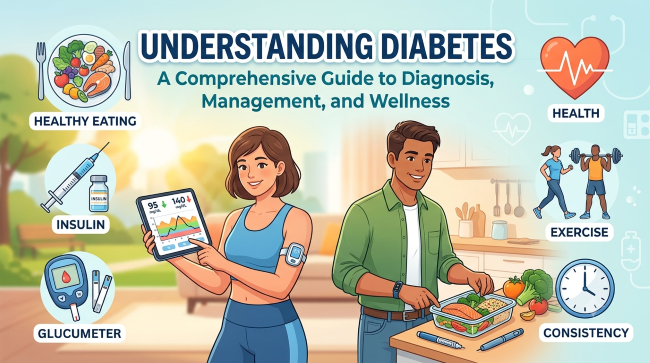
This article provides an overview of diabetes care and management, including symptoms, causes, diagnosis, treatment, prevention, and dietary recommendations to help manage the condition effectively.
Overview
Diabetes is a chronic condition characterized by high blood sugar levels due to the body's inability to produce or use insulin effectively. Proper diabetes care and management are essential to reduce the risk of complications and maintain overall health.
Symptoms of diabetes include increased thirst, frequent urination, unexplained weight loss, fatigue, blurred vision, and slow-healing wounds. If you experience these symptoms, it is important to consult a healthcare professional for diagnosis and treatment.
Causes of diabetes vary by type. Type 1 diabetes results from an autoimmune response that destroys insulin-producing cells, while Type 2 diabetes is commonly associated with insulin resistance due to lifestyle factors such as poor diet, lack of exercise, and obesity. Genetics can also play a role.
Diagnosis is typically made through blood tests such as fasting blood glucose, HbA1c, or oral glucose tolerance test. Early diagnosis helps in timely management.
Treatment includes lifestyle modifications, blood sugar monitoring, and medications or insulin therapy as prescribed by a healthcare provider. Regular physical activity, maintaining a healthy weight, and following a balanced diet are crucial components of effective diabetes management.
Prevention strategies focus on maintaining a healthy lifestyle, including regular exercise, a nutritious diet, avoiding tobacco use, and routine health check-ups.
Complications from uncontrolled diabetes can affect the heart, kidneys, eyes, nerves, and increase the risk of infections. Managing blood sugar levels helps reduce these risks.
A recommended diet plan involves balanced meals with appropriate portions of carbohydrates, proteins, and healthy fats. Emphasize whole grains, vegetables, fruits, lean proteins, and limit sugary and processed foods.
Always work closely with your healthcare team to develop a personalized care plan. Never rely on unverified treatments and seek professional advice for diagnosis and management of diabetes.
Type 1 diabetes is caused by autoimmune destruction of insulin-producing cells. Type 2 diabetes often results from insulin resistance linked to obesity, poor diet, inactivity, and genetic factors.
Diagnosis
Blood tests including fasting blood glucose, HbA1c, and oral glucose tolerance test help diagnose diabetes.
Treatment
Treatment involves lifestyle changes, regular blood sugar monitoring, medications, or insulin therapy as directed by healthcare professionals.
Prevention
Maintain a healthy weight, exercise regularly, eat balanced meals, avoid tobacco, and have regular medical check-ups.
Complications
Uncontrolled diabetes can lead to heart disease, kidney failure, nerve damage, vision problems, and increased infection risk.
Diet Plan
Focus on whole grains, vegetables, fruits, lean proteins, and healthy fats. Limit sugary foods and processed items. Portion control is important.
Frequently Asked Questions
What are the common symptoms of diabetes?
Common symptoms include increased thirst, frequent urination, fatigue, unexplained weight loss, blurred vision, and slow-healing wounds.
How is diabetes diagnosed?
Diabetes is diagnosed through blood tests such as fasting blood glucose, HbA1c, or oral glucose tolerance test conducted by a healthcare professional.
Can diabetes be prevented?
Type 2 diabetes can often be prevented or delayed by maintaining a healthy lifestyle, including regular exercise, a balanced diet, and avoiding tobacco use.
What treatments are available for diabetes?
Treatment includes lifestyle changes, blood sugar monitoring, medications, and insulin therapy as prescribed by a healthcare provider.
Why is managing diabetes important?
Proper management helps prevent complications such as heart disease, kidney damage, nerve problems, and vision loss.
Medical disclaimer
This content is for educational use only. Speak with a qualified healthcare professional for diagnosis, treatment, or medication decisions.