What Is Heart Disease? Symptoms, Causes & Treatment
Heart disease affects millions worldwide and includes various heart conditions. Understanding symptoms, causes, and treatment is key to managing heart health.
Overview
Heart disease refers to several types of heart conditions that affect the structure and function of the heart. It is one of the leading causes of death globally. Common forms include coronary artery disease, heart rhythm problems, and heart defects. Recognizing symptoms early and understanding causes can help you seek timely medical care. Symptoms may include chest pain, shortness of breath, fatigue, and irregular heartbeat. Causes range from lifestyle factors like poor diet and lack of exercise to genetic predisposition and other medical conditions such as high blood pressure or diabetes. Diagnosis typically involves physical exams, blood tests, ECG, and imaging studies. Treatment varies depending on the type and severity but can include medications, lifestyle changes, and sometimes surgical procedures. Prevention focuses heavily on maintaining a healthy lifestyle, including a balanced diet, regular exercise, avoiding smoking, and managing stress. Always consult a qualified healthcare professional for diagnosis and personalized treatment options.
Symptoms
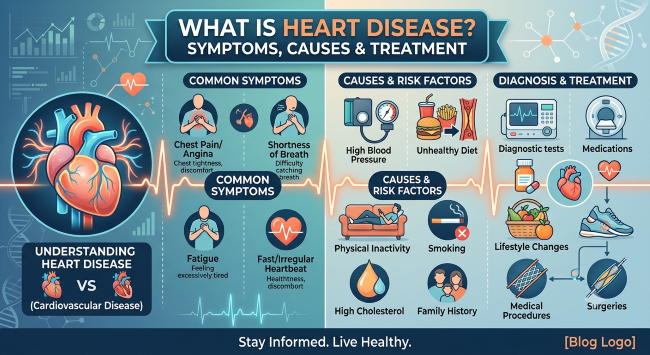
Common symptoms of heart disease include chest pain or discomfort (angina), shortness of breath, fatigue, palpitations (irregular heartbeat), dizziness or lightheadedness, and swelling in the legs or ankles.
Causes
Heart disease can be caused by a buildup of plaque in the arteries (atherosclerosis), high blood pressure, smoking, diabetes, obesity, physical inactivity, poor diet, excessive alcohol consumption, and genetic factors.
Diagnosis
Diagnosis involves a detailed medical history review, physical examination, blood tests to check cholesterol and other markers, electrocardiogram (ECG) to assess heart rhythm, echocardiogram for heart structure, stress testing, and sometimes coronary angiography.
Treatment
Treatment strategies include lifestyle modifications such as diet and exercise, medications to control blood pressure, cholesterol, and symptoms, and medical procedures like angioplasty or bypass surgery when necessary. Always adhere to your healthcare provider’s recommendations.
Prevention
Preventing heart disease mainly involves maintaining a healthy lifestyle: eat a heart-healthy diet rich in fruits, vegetables, and whole grains, exercise regularly, avoid tobacco use, limit alcohol intake, manage stress, and control conditions like hypertension and diabetes.
Complications
If untreated, heart disease can lead to serious complications including heart attack, heart failure, stroke, arrhythmias, and sudden cardiac death. Early detection and management are essential.
Diet Plan
A heart-healthy diet includes plenty of fruits, vegetables, whole grains, lean proteins such as fish and poultry, nuts, and seeds. Limit saturated fats, trans fats, sodium, and added sugars. Incorporate foods rich in omega-3 fatty acids and fiber to support cardiovascular health.
Frequently Asked Questions
What are the early signs of heart disease?
Early signs of heart disease can include chest discomfort, shortness of breath, fatigue, and irregular heartbeat. If you experience these symptoms, consult a healthcare professional promptly.
Can heart disease be prevented?
While not all heart disease can be prevented, many cases can be reduced by adopting a healthy lifestyle such as eating a balanced diet, exercising regularly, avoiding smoking, and managing stress.
How is heart disease diagnosed?
Doctors diagnose heart disease using a combination of medical history, physical exams, blood tests, electrocardiograms (ECG), and imaging tests like echocardiograms or stress tests.
What treatments are available for heart disease?
Treatment depends on the specific heart condition and may include lifestyle changes, medications to manage symptoms, and procedures like angioplasty or surgery. Always follow your doctor’s advice.
Medical disclaimer
This content is for educational use only. Speak with a qualified healthcare professional for diagnosis, treatment, or medication decisions.