Ivermectin 12 mg Uses, Dosage, Warnings & Side Effects
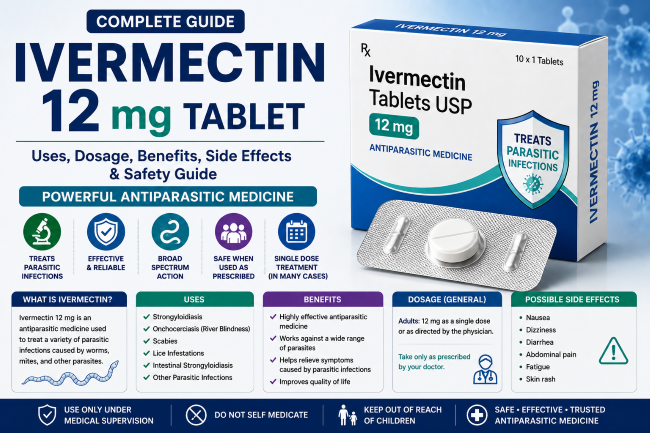
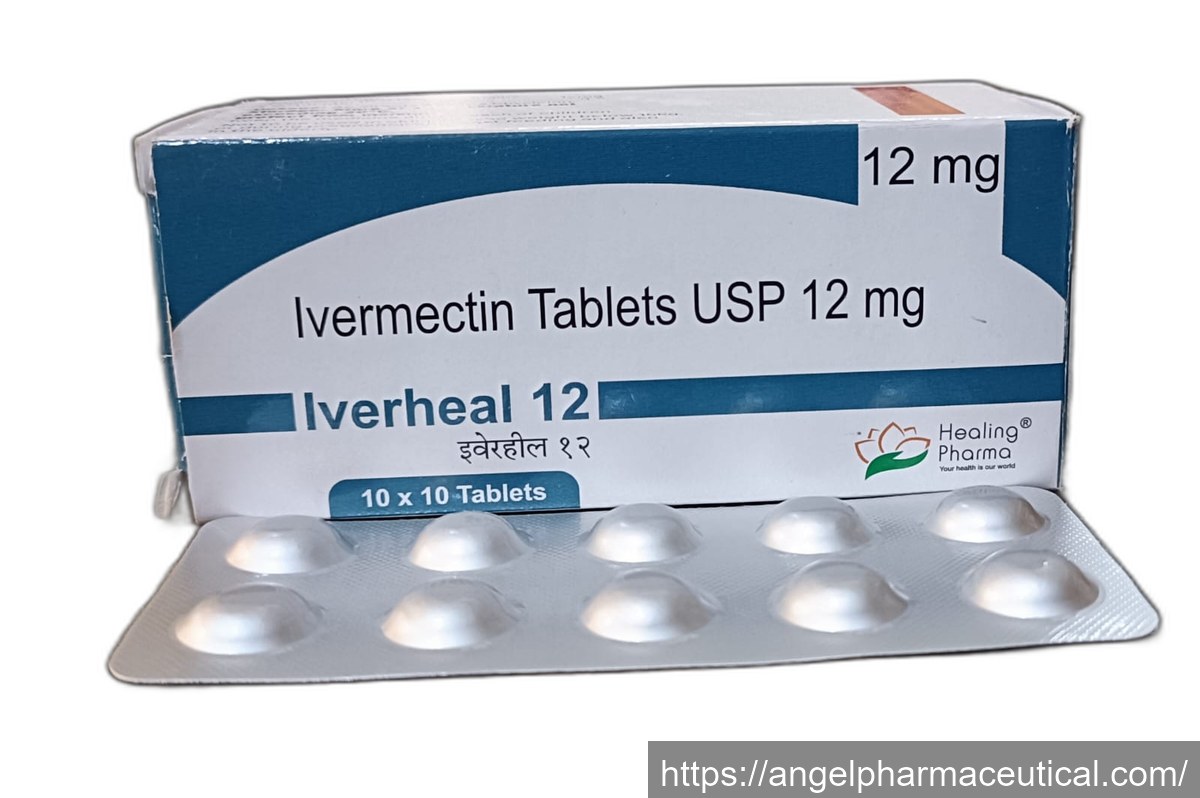
Ivermectin 12 mg is an antiparasitic medication used to treat various parasitic infections. This guide covers its uses, dosage, side effects, and safety information.
Overview
Ivermectin 12 mg tablet is an antiparasitic drug commonly prescribed to treat infections caused by parasites such as roundworms, scabies, and lice. It works by paralyzing and killing the parasites, helping to clear infections effectively. Before using Ivermectin, it is important to consult a healthcare professional to ensure it is appropriate for your condition. The typical dosage varies depending on the infection type and patient factors, so following your doctor's instructions is essential. Common side effects may include dizziness, nausea, diarrhea, and skin rash. Serious side effects are rare but require immediate medical attention. Precautions include informing your doctor about any allergies, existing medical conditions, or medications you are currently taking to avoid possible interactions. Store Ivermectin tablets in a cool, dry place away from direct sunlight and out of reach of children. Always complete the prescribed course and do not self-adjust the dose without medical advice.
Uses
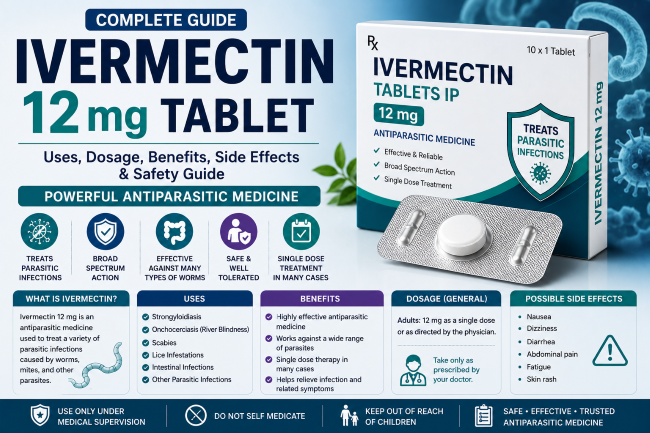
Ivermectin 12 mg is primarily used to treat parasitic infections such as strongyloidiasis (threadworm), onchocerciasis (river blindness), scabies, and lice infestations.
Dosage
The dosage of Ivermectin 12 mg depends on the type of infection and patient factors like weight and age. It is usually taken as a single dose or a short course as prescribed by a healthcare professional. Always follow your doctor's instructions and do not self-medicate.
How It Works
Ivermectin works by binding to specific nerve and muscle cells of parasites, causing paralysis and death of the parasites, which helps clear the infection.
Benefits
Ivermectin effectively treats various parasitic infections, leading to symptom relief and preventing complications associated with parasitic infestations.
Side Effects
Common side effects include dizziness, nausea, diarrhea, headache, and skin rash. Serious side effects are rare but may include allergic reactions or severe skin reactions. Seek medical attention if severe symptoms occur.
Precautions
Inform your healthcare provider if you have allergies to Ivermectin, liver disease, or any other medical conditions. Avoid using Ivermectin during pregnancy or breastfeeding unless advised by a doctor. Always discuss your full medical history and current medications with your provider.
Interactions
Ivermectin may interact with medications such as blood thinners, anticonvulsants, and other antiparasitic drugs. Always inform your healthcare provider about all medications and supplements you are taking.
Storage
Store Ivermectin tablets at room temperature, away from moisture, heat, and direct sunlight. Keep out of reach of children and pets.
Frequently Asked Questions
What is Ivermectin 12 mg used for?
Ivermectin 12 mg is used to treat various parasitic infections such as roundworms, scabies, and lice.
How should I take Ivermectin 12 mg?
Take Ivermectin 12 mg exactly as prescribed by your healthcare provider. Do not change the dose or stop the medication without consulting your doctor.
Are there any side effects of Ivermectin 12 mg?
Common side effects include dizziness, nausea, diarrhea, and skin rash. Contact your doctor if you experience severe or unusual symptoms.
Can Ivermectin interact with other medications?
Yes, Ivermectin may interact with other drugs. Inform your healthcare provider about all medications you are taking to avoid potential interactions.
How should I store Ivermectin tablets?
Store Ivermectin tablets in a cool, dry place away from direct sunlight and keep them out of reach of children.
Medical disclaimer
This content is for educational use only. Speak with a qualified healthcare professional before starting, stopping, or changing any medication.