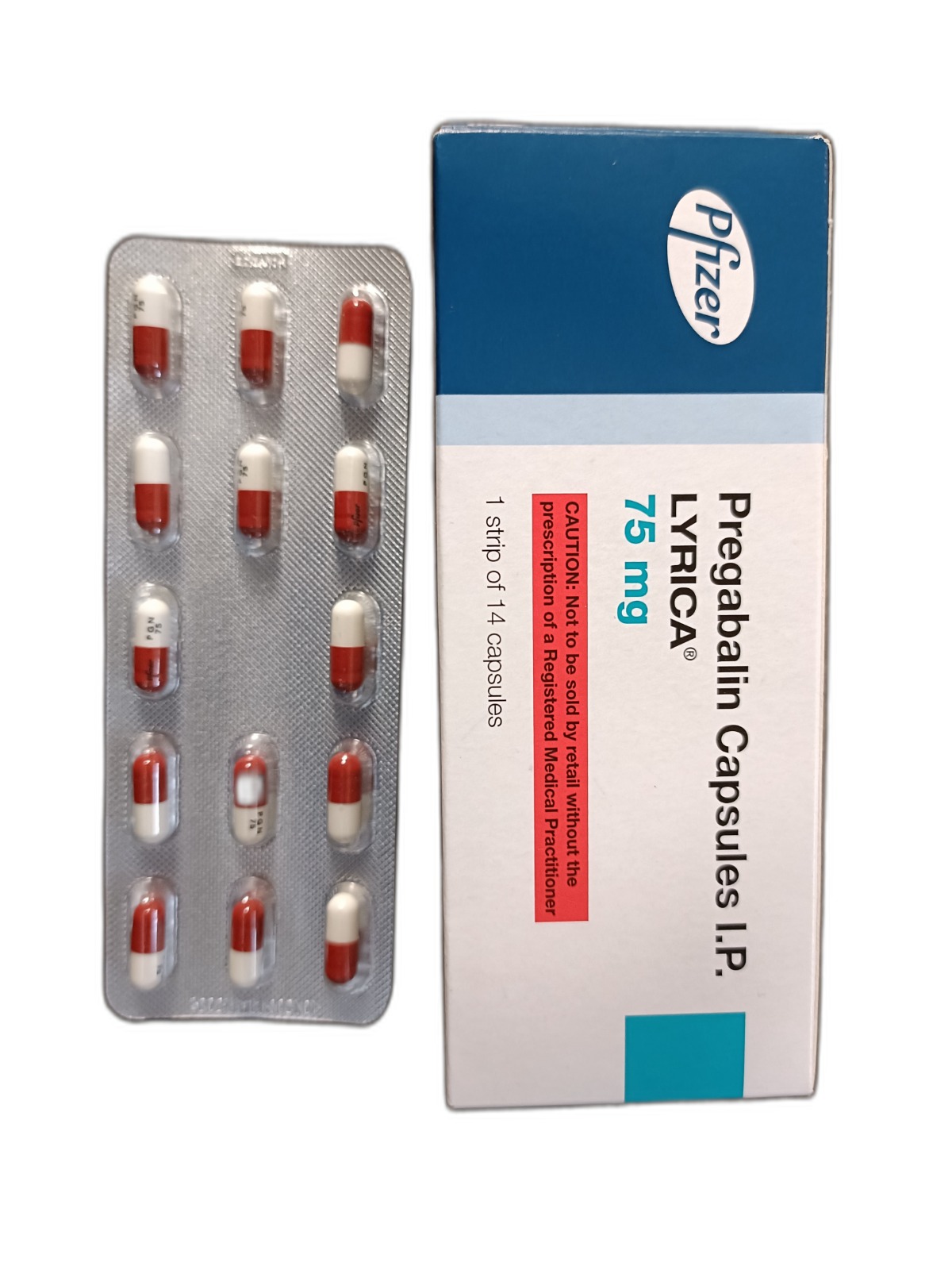
Pregabalin 300mg Capsule: Uses for Neuropathic Pain, Fibromyalgia & Epilepsy
Pregabalin 300mg Capsule is used to manage neuropathic pain, fibromyalgia, and epilepsy. This guide covers its uses, dosage, side effects, and precautions.
Overview
Pregabalin 300mg Capsule is a medication commonly prescribed to help manage neuropathic pain, fibromyalgia, and certain types of epilepsy. It belongs to a class of drugs known as pain killers and works by calming overactive nerves in the brain and nervous system. Patients taking Pregabalin should always consult with their healthcare provider before starting or stopping this medication. Typical uses include relieving nerve pain caused by diabetes or shingles, reducing fibromyalgia symptoms, and controlling seizures. Dosage varies based on the condition being treated and individual patient needs, which is why professional guidance is essential. Common side effects may include dizziness, drowsiness, or dry mouth. Serious side effects are rare but should be reported immediately. Precautions include informing your doctor about any history of kidney problems, heart issues, or allergic reactions. Pregabalin can interact with other medications, so always disclose your current medicines to your healthcare provider. Store the capsules in a cool, dry place away from direct sunlight. Always follow your doctor's instructions carefully and never adjust the dose without consultation.
Uses
Pregabalin 300mg Capsule is primarily used to relieve neuropathic pain caused by nerve damage, manage fibromyalgia symptoms, and control partial seizures in epilepsy.
Dosage
Dosage varies depending on the condition and patient response. Typically, it is taken orally one to three times daily with or without food. Always follow your healthcare provider's instructions.
How It Works
Pregabalin works by binding to calcium channels in nerve cells, which reduces the release of neurotransmitters involved in sending pain and seizure signals to the brain.
Benefits
The benefits of Pregabalin include effective reduction of nerve pain, improved quality of life for fibromyalgia patients, and better seizure control in epilepsy.
Side Effects
Possible side effects include dizziness, drowsiness, dry mouth, swelling, weight gain, and blurred vision. Seek medical advice if you experience mood changes, difficulty breathing, or allergic reactions.
Precautions
Inform your doctor if you have a history of kidney disease, heart problems, or allergic reactions. Avoid driving or operating heavy machinery until you know how the medication affects you.
Interactions
Pregabalin may interact with other central nervous system depressants, antihistamines, and certain pain medications. Always inform your healthcare provider about all medications and supplements you are taking.
Storage
Store Pregabalin 300mg Capsules at room temperature between 20-25°C (68-77°F), away from moisture, heat, and direct sunlight. Keep out of reach of children.
Frequently Asked Questions
What conditions does Pregabalin 300mg Capsule treat?
Pregabalin 300mg Capsule is used to treat neuropathic pain, fibromyalgia, and epilepsy by reducing nerve-related symptoms.
How should I take Pregabalin 300mg Capsule?
Always take Pregabalin exactly as prescribed by your healthcare provider. Do not change the dose or stop without consulting them.
What are common side effects of Pregabalin?
Common side effects include dizziness, drowsiness, dry mouth, and swelling. Contact your doctor if you experience severe symptoms.
Can I drink alcohol while taking Pregabalin?
It is best to avoid alcohol while taking Pregabalin as it may increase side effects like drowsiness and dizziness.
Medical disclaimer
This content is for educational use only. Speak with a qualified healthcare professional before starting, stopping, or changing any medication.