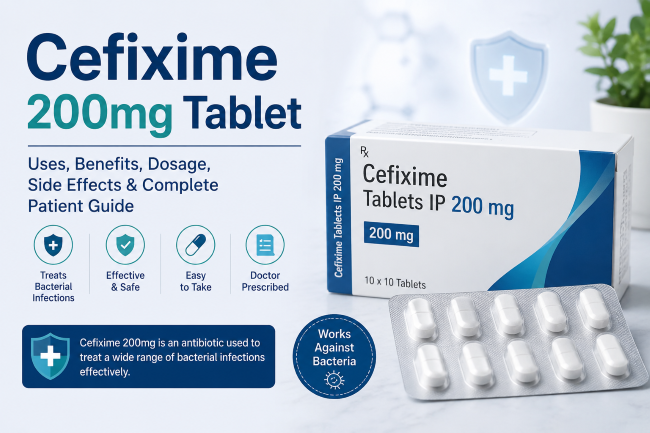
Cefixime 200mg is an antibiotic tablet used to treat bacterial infections. This guide covers uses, dosage, benefits, side effects, and precautions.
Overview
Cefixime 200mg tablet is a prescription antibiotic used to treat a variety of bacterial infections. It belongs to the cephalosporin class of antibiotics and works by stopping the growth of bacteria. Commonly prescribed for respiratory tract infections, urinary tract infections, ear infections, and gonorrhea, Cefixime is effective against many strains of bacteria. Patients should always take Cefixime exactly as prescribed by their healthcare provider. Common side effects may include diarrhea, nausea, stomach pain, and allergic reactions. It is important to complete the full course of treatment even if symptoms improve early. Discuss your medical history, allergies, and current medications with your doctor before starting Cefixime to avoid potential interactions or side effects. Store the medication in a cool, dry place away from sunlight. Never share antibiotics with others and consult a healthcare professional if you experience severe side effects or allergic reactions. This guide is for educational purposes and does not replace professional medical advice.
Uses
Cefixime 200mg is used to treat bacterial infections including respiratory tract infections (such as bronchitis and pneumonia), urinary tract infections, ear infections (otitis media), throat infections, and sexually transmitted infections like gonorrhea.
Dosage
The typical adult dosage of Cefixime 200mg tablet is one tablet once or twice daily, depending on the infection type and severity. Children’s doses are adjusted by weight. Always follow your healthcare provider’s instructions and complete the full prescribed course.
How It Works
Cefixime works by inhibiting the synthesis of the bacterial cell wall, which leads to the death of the bacteria causing the infection. It is effective against a broad range of bacteria, making it useful for various infections.
Benefits
Cefixime 200mg effectively treats a variety of bacterial infections, helping to reduce symptoms and prevent the spread of infection. It is convenient to use with typically once or twice daily dosing and has a well-established safety profile when used correctly.
Side Effects
Common side effects include diarrhea, nausea, stomach discomfort, headache, and dizziness. Rare but serious side effects may include allergic reactions such as rash, itching, swelling, severe dizziness, or difficulty breathing. Contact your healthcare provider immediately if you experience severe side effects.
Precautions
Inform your doctor if you have allergies to cephalosporins or penicillins, kidney disease, or any other medical conditions. Use with caution in pregnant or breastfeeding women. Always disclose all medications you are taking to avoid interactions.
Interactions
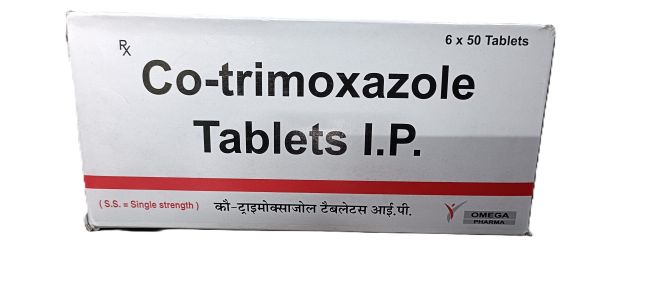
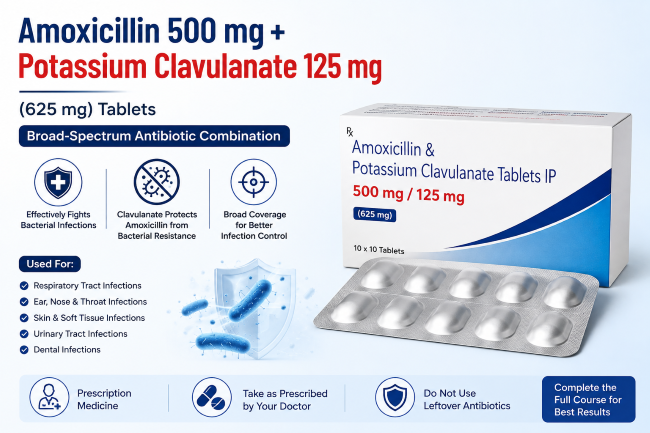
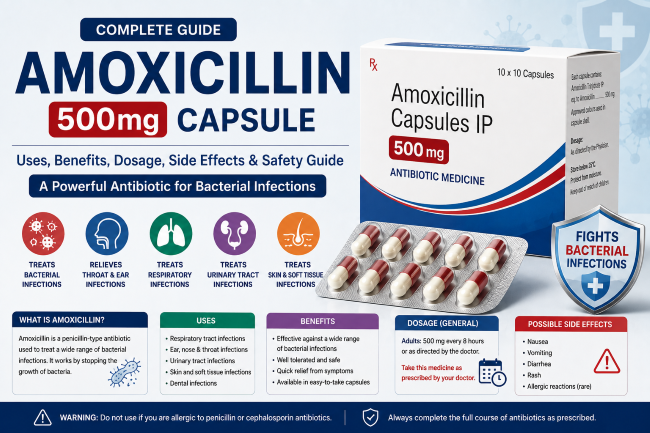
Cefixime may interact with blood thinners, diuretics, or other antibiotics. Avoid antacids or supplements containing zinc or iron within two hours of taking Cefixime as they may reduce its effectiveness. Always inform your healthcare provider about all medicines and supplements you use.
Storage
Store Cefixime 200mg tablets at room temperature, away from moisture, heat, and direct sunlight. Keep out of reach of children and dispose of expired or unused medication properly.
Frequently Asked Questions
What is Cefixime 200mg tablet used for?
Cefixime 200mg is used to treat bacterial infections such as respiratory tract infections, urinary tract infections, ear infections, and gonorrhea.
How should I take Cefixime 200mg tablet?
Take Cefixime exactly as prescribed by your healthcare provider, usually once or twice daily with or without food. Complete the full course even if you feel better.
Are there any side effects of Cefixime 200mg?
Common side effects include diarrhea, nausea, stomach pain, and allergic reactions. Contact your doctor if you experience severe side effects.
Can I take Cefixime with other medications?
Some medications may interact with Cefixime. Inform your doctor about all medicines you are taking before starting Cefixime.
Should I avoid anything while taking Cefixime?
Avoid missing doses and do not stop the medication without consulting your doctor. Inform your doctor about any allergies or medical conditions.
Medical disclaimer
This content is for educational use only. Speak with a qualified healthcare professional before starting, stopping, or changing any medication.