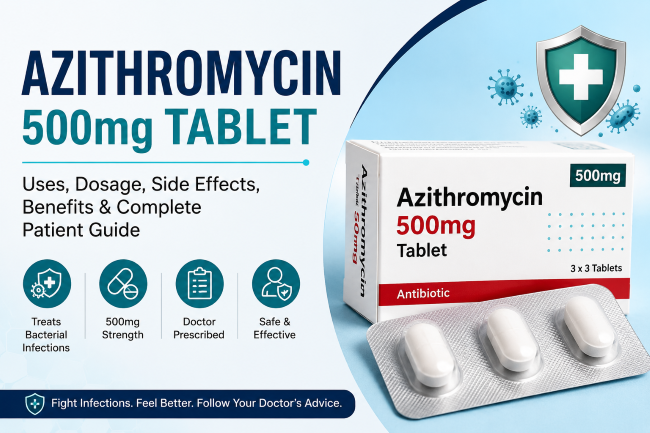
Azithromycin is an antibiotic used to treat various bacterial infections. This guide covers its uses, benefits, dosage, side effects, and important precautions.
Overview
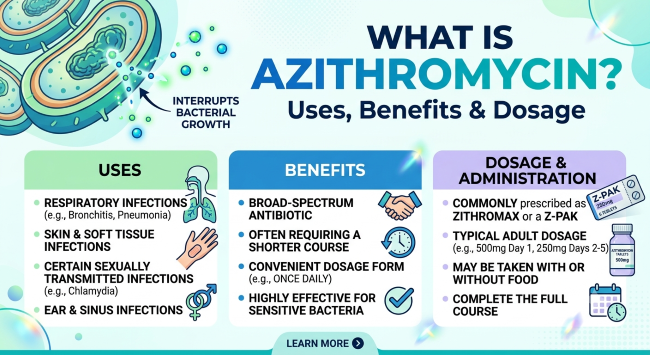
Azithromycin is a commonly prescribed antibiotic that belongs to the macrolide class of medications. It is used to treat a variety of bacterial infections, including respiratory infections, skin infections, ear infections, and sexually transmitted diseases. Azithromycin works by stopping the growth of bacteria, helping the body to fight the infection.
This medication is often favored because it can be taken once daily and usually for a shorter duration compared to other antibiotics. However, it is important to follow the prescribed dosage and complete the entire course to prevent antibiotic resistance.
Before starting Azithromycin, consult a healthcare professional to ensure it is appropriate for your condition. Inform your doctor about any allergies, medical history, or other medications you are taking to avoid potential interactions.
While Azithromycin is generally well-tolerated, some people may experience side effects such as nausea, diarrhea, or stomach pain. If you notice severe side effects or signs of an allergic reaction, seek medical attention immediately.
Store Azithromycin in a cool, dry place away from direct sunlight and out of reach of children. Never share your medication with others, and do not stop taking it without consulting your healthcare provider.
Uses
Azithromycin is used to treat bacterial infections such as bronchitis, pneumonia, ear infections, skin infections, and certain sexually transmitted infections like chlamydia.
Dosage
The dosage of Azithromycin varies depending on the infection being treated. Commonly, adults take 500 mg on the first day followed by 250 mg once daily for 4 more days. Always follow your healthcare provider's instructions.
How It Works
Azithromycin works by inhibiting bacterial protein synthesis, which prevents bacteria from growing and multiplying, allowing the immune system to eliminate the infection.
Benefits
Azithromycin offers the benefit of a convenient dosing schedule, effective treatment of a wide range of infections, and generally mild side effects. It is effective against many common bacteria.
Side Effects
Possible side effects include nausea, vomiting, diarrhea, stomach pain, headache, and allergic reactions. Severe side effects are rare but require immediate medical attention.
Precautions
Before taking Azithromycin, inform your doctor if you have liver or kidney disease, heart rhythm problems, or allergies to macrolide antibiotics. Avoid alcohol and inform your provider about all medications you are taking.
Interactions
Azithromycin can interact with medications such as blood thinners, antacids, and other antibiotics. These interactions can affect the efficacy or increase side effects, so always inform your healthcare provider about all medications and supplements.
Storage
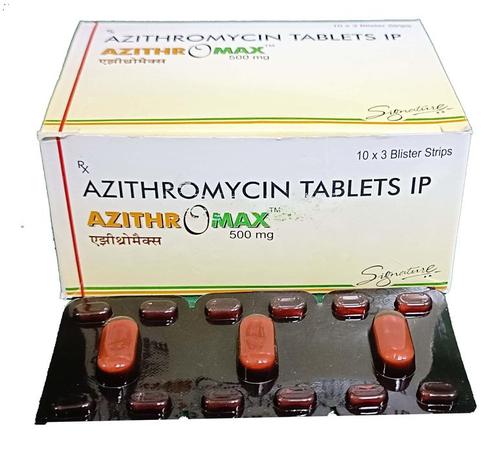
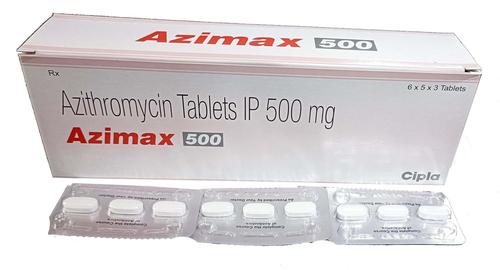
Store Azithromycin tablets at room temperature between 20-25°C (68-77°F), away from moisture and heat. Keep out of reach of children and dispose of any expired medication safely.
Frequently Asked Questions
What is Azithromycin used for?
Azithromycin is used to treat various bacterial infections such as respiratory infections, ear infections, skin infections, and some sexually transmitted diseases.
How should I take Azithromycin?
Take Azithromycin exactly as prescribed by your healthcare provider. Usually, it is taken once daily and for the full course prescribed to ensure the infection is fully treated.
Can I stop Azithromycin once I feel better?
No, you should complete the entire prescribed course even if you feel better to prevent the infection from returning and to reduce antibiotic resistance.
What are common side effects of Azithromycin?
Common side effects include nausea, diarrhea, stomach pain, and sometimes headache. If you experience severe side effects, contact your healthcare provider.
Is Azithromycin safe during pregnancy?
Consult your healthcare provider before using Azithromycin during pregnancy to ensure it is safe for you and your baby.
Medical disclaimer
This content is for educational use only. Speak with a qualified healthcare professional before starting, stopping, or changing any medication.