antihistamine and leukotriene antagonist
Explore export-ready pharmaceutical products tagged under antihistamine and leukotriene antagonist, including clinical use summaries, safety notes, manufacturer details, and inquiry-ready product pages.
Catalog
1
Status
Active
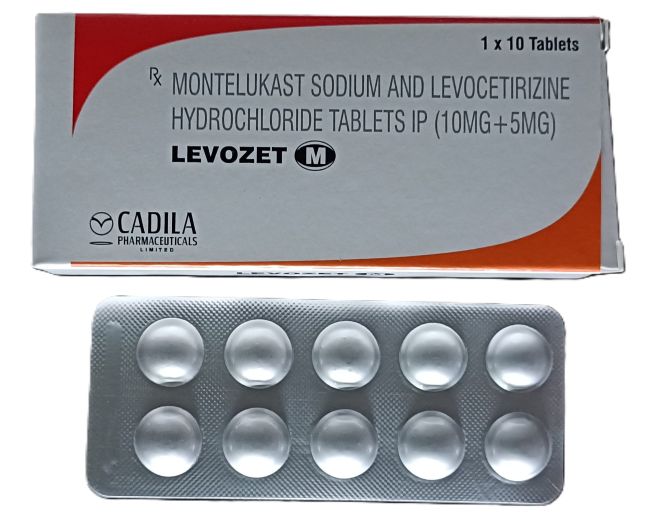
Levozet M
Montelukast and Levocetirizine is a combination medicine used to treat allergies and asthma by reducing inflammation and blocking histamine effects. It provides relief from nasal congestion, sneezing, and wheezing.
Levozet M
Montelukast and Levocetirizine is a combination medicine used to treat allergies and asthma by reducing inflammation and blocking histamine effects. It provides relief from nasal congestion, sneezing, and wheezing.
Manufacturer
Cadila Pharmaceuticals
Origin
India
Data Status
Verified AIWhat Is This Medicine?
Montelukast and Levocetirizine is a combination medication that treats allergy symptoms and asthma by blocking leukotrienes and histamine, which cause inflammation and allergic reactions.
Medical Uses
Used to treat seasonal and perennial allergic rhinitis, asthma, and chronic urticaria by alleviating nasal congestion, sneezing, itching, wheezing, and airway inflammation.
Administration
Take the medication once daily, preferably in the evening, with or without food. Follow the prescribed dose and do not discontinue without consulting your healthcare provider.
Mechanism
Montelukast inhibits leukotrienes that cause airway inflammation and bronchoconstriction, while Levocetirizine blocks histamine H1 receptors to reduce allergic symptoms like itching and swelling.
Target Benefits
Provides effective relief from allergy and asthma symptoms, improves respiratory function, reduces frequency of asthma attacks, and enhances overall quality of life.
Standard Dosage Framework
Typically, one tablet (usually 5 mg Montelukast and 5 mg Levocetirizine) daily for adults and children over 12 years old. Dosage may vary based on age, condition severity, and doctor's recommendation.
Possible Side Effects
Possible side effects include headache, drowsiness, dry mouth, abdominal pain, nausea, and rarely mood changes or allergic reactions. Seek medical help if severe reactions occur.
Critical Contraindications
Do not exceed recommended dose. Use caution if you have liver or kidney disease. Avoid alcohol and activities requiring alertness if drowsiness occurs. Inform your doctor about any other medications or health conditions.
Interactions
May interact with CNS depressants, sedatives, other antihistamines, and certain antibiotics. Inform your healthcare provider about all medications and supplements you are taking.
Storage Environment
Store in a cool, dry place away from direct sunlight and moisture. Keep out of reach of children. Do not use after the expiry date.
Advisory Node
Consult your doctor before use if pregnant, breastfeeding, or if you have underlying health issues. Do not share medication. Report any unusual symptoms immediately.
Medical Disclaimer Summary
Montelukast and Levocetirizine combination is a safe and effective treatment option for managing allergic rhinitis and asthma symptoms when used as directed. Always follow medical advice to ensure optimal benefits and minimize risks.
Relational Mapping Tags
Frequently Asked Questions
What is Montelukast and Levocetirizine used for?
Montelukast and Levocetirizine are used together to treat symptoms of allergic rhinitis, asthma, and chronic urticaria by reducing inflammation and blocking histamine effects.
How should I take Montelukast and Levocetirizine?
Take Montelukast and Levocetirizine exactly as prescribed by your doctor, usually once daily in the evening. Swallow the tablet whole with water.
Are there any common side effects?
Common side effects include headache, drowsiness, dry mouth, and gastrointestinal discomfort. If you experience severe side effects, contact your healthcare provider.
Can I take this medication if I am pregnant or breastfeeding?
Consult your healthcare provider before using Montelukast and Levocetirizine if you are pregnant or breastfeeding to ensure it is safe for you and your baby.
Does Montelukast and Levocetirizine interact with other drugs?
Yes, Montelukast and Levocetirizine can interact with other medications like sedatives, CNS depressants, and certain antibiotics. Always inform your doctor about all medicines you are taking.