nerve pain medication
Explore export-ready pharmaceutical products tagged under nerve pain medication, including clinical use summaries, safety notes, manufacturer details, and inquiry-ready product pages.
Catalog
3
Status
Active

Nervisamart 450 Mg
Nervisamart 450 Mg is a potent pharmaceutical formulation designed to alleviate neuropathic pain and support nerve health. It is widely prescribed for various nerve-related disorders.
Nervisamart 450 Mg
Nervisamart 450 Mg is a potent pharmaceutical formulation designed to alleviate neuropathic pain and support nerve health. It is widely prescribed for various nerve-related disorders.
Manufacturer
Healing Pharma
Origin
India
Data Status
Verified AIWhat Is This Medicine?
Nervisamart 450 Mg is a pharmaceutical drug formulated to manage neuropathic pain by modulating nerve signal transmission and reducing pain sensations.
Medical Uses
It is primarily used to treat various forms of neuropathic pain including diabetic neuropathy, postherpetic neuralgia, and other nerve-related pain disorders.
Administration
Take Nervisamart 450 Mg orally, usually once or twice daily, with or without food as prescribed by your healthcare provider. Do not alter the dose without consulting your doctor.
Mechanism
Nervisamart 450 Mg works by altering the way nerves communicate pain signals to the brain, effectively reducing the perception of pain and improving nerve function.
Target Benefits
Provides effective relief from chronic nerve pain, improves quality of life, supports nerve health, and has a well-established safety profile when used correctly.
Standard Dosage Framework
The typical dosage is 450 mg daily, which may be divided as per physician’s advice. Dosage may be adjusted based on patient response and tolerability.
Possible Side Effects
Possible side effects include dizziness, drowsiness, dry mouth, nausea, and occasionally blurred vision. Seek medical attention if severe allergic reactions occur.
Critical Contraindications
Do not operate heavy machinery until you know how Nervisamart affects you. Avoid alcohol as it may increase side effects. Inform your doctor of any pre-existing conditions.
Interactions
May interact with CNS depressants, antacids, and other medications. Always disclose all medications and supplements to your healthcare provider before starting Nervisamart.
Storage Environment
Store in a cool, dry place away from direct sunlight and moisture. Keep out of reach of children.
Advisory Node
Use only as prescribed. Do not discontinue abruptly without consulting your physician. Report any unusual symptoms or side effects immediately.
Medical Disclaimer Summary
Nervisamart 450 Mg is a reliable and effective option for managing neuropathic pain, providing patients with significant relief and improved nerve function when taken as directed under medical supervision.
Relational Mapping Tags
Frequently Asked Questions
What is Nervisamart 450 Mg used for?
Nervisamart 450 Mg is used to treat neuropathic pain and nerve-related conditions such as diabetic neuropathy and postherpetic neuralgia.
How should I take Nervisamart 450 Mg?
Take Nervisamart 450 Mg exactly as prescribed by your doctor, usually once or twice daily with or without food.
Are there any side effects of Nervisamart 450 Mg?
Common side effects include dizziness, drowsiness, dry mouth, and nausea. Contact your healthcare provider if you experience severe reactions.
Can I use Nervisamart 450 Mg during pregnancy?
Consult your doctor before using Nervisamart 450 Mg during pregnancy to evaluate potential risks and benefits.
Does Nervisamart 450 Mg interact with other medications?
Nervisamart 450 Mg may interact with certain medications including CNS depressants and antacids. Always inform your doctor about all medications you are taking.

Lyrica 75
Lyrica 75 mg is a prescription medication used to treat nerve pain, fibromyalgia, and certain types of seizures. It helps relieve symptoms by calming nerve activity.
Lyrica 75
Lyrica 75 mg is a prescription medication used to treat nerve pain, fibromyalgia, and certain types of seizures. It helps relieve symptoms by calming nerve activity.
Manufacturer
Pfizer
Origin
India
Data Status
Verified AIWhat Is This Medicine?
Lyrica 75 mg is a prescription medication containing pregabalin, used to treat nerve-related pain, fibromyalgia, and partial seizures by calming nerve activity in the brain and spinal cord.
Medical Uses
It is primarily used for managing neuropathic pain associated with diabetic neuropathy, post-herpetic neuralgia, fibromyalgia, and as an adjunct therapy for partial-onset seizures.
Administration
Take Lyrica 75 mg orally, usually twice a day, with or without food. Follow your healthcare provider’s instructions carefully and do not exceed the prescribed dosage.
Mechanism
Lyrica works by binding to calcium channels in nerve cells, reducing the release of neurotransmitters that cause pain and seizure activity, thus stabilizing nerve signals.
Target Benefits
Provides effective relief from chronic nerve pain, reduces seizure frequency, improves quality of life in fibromyalgia patients, and has a well-established safety profile when used correctly.
Standard Dosage Framework
The typical starting dose is 75 mg twice daily, which may be adjusted based on patient response and tolerability, with a maximum dose of 600 mg per day.
Possible Side Effects
Common side effects include dizziness, drowsiness, blurred vision, dry mouth, swelling of hands and feet, weight gain, and difficulty concentrating.
Critical Contraindications
Use caution in patients with kidney impairment, history of substance abuse, or depression. Avoid driving or operating heavy machinery until you know how Lyrica affects you.
Interactions
Lyrica may interact with CNS depressants, opioids, alcohol, and certain other medications, which can increase sedation and respiratory depression risk.
Storage Environment
Store Lyrica 75 mg at room temperature away from moisture, heat, and direct light. Keep out of reach of children.
Advisory Node
Always take Lyrica as prescribed, do not stop suddenly, inform your doctor about all medications and medical conditions, and report any unusual side effects immediately.
Medical Disclaimer Summary
Lyrica 75 mg is an effective and reliable option for managing nerve pain, fibromyalgia, and seizures when used under medical supervision. Proper adherence to dosage and precautionary measures ensures optimal benefits and safety.
Relational Mapping Tags
Frequently Asked Questions
What is Lyrica 75 mg used for?
Lyrica 75 mg is used to treat neuropathic pain, fibromyalgia, and partial seizures in adults.
How should I take Lyrica 75 mg?
Lyrica 75 mg should be taken exactly as prescribed by your doctor, usually twice daily with or without food.
What are the common side effects of Lyrica 75 mg?
Common side effects include dizziness, drowsiness, dry mouth, swelling, and weight gain.
Can I stop taking Lyrica suddenly?
No, do not stop Lyrica abruptly without consulting your doctor, as it may cause withdrawal symptoms or seizures.
Are there any drug interactions with Lyrica 75 mg?
Lyrica may interact with certain CNS depressants, opioids, and alcohol, increasing sedation or other side effects.
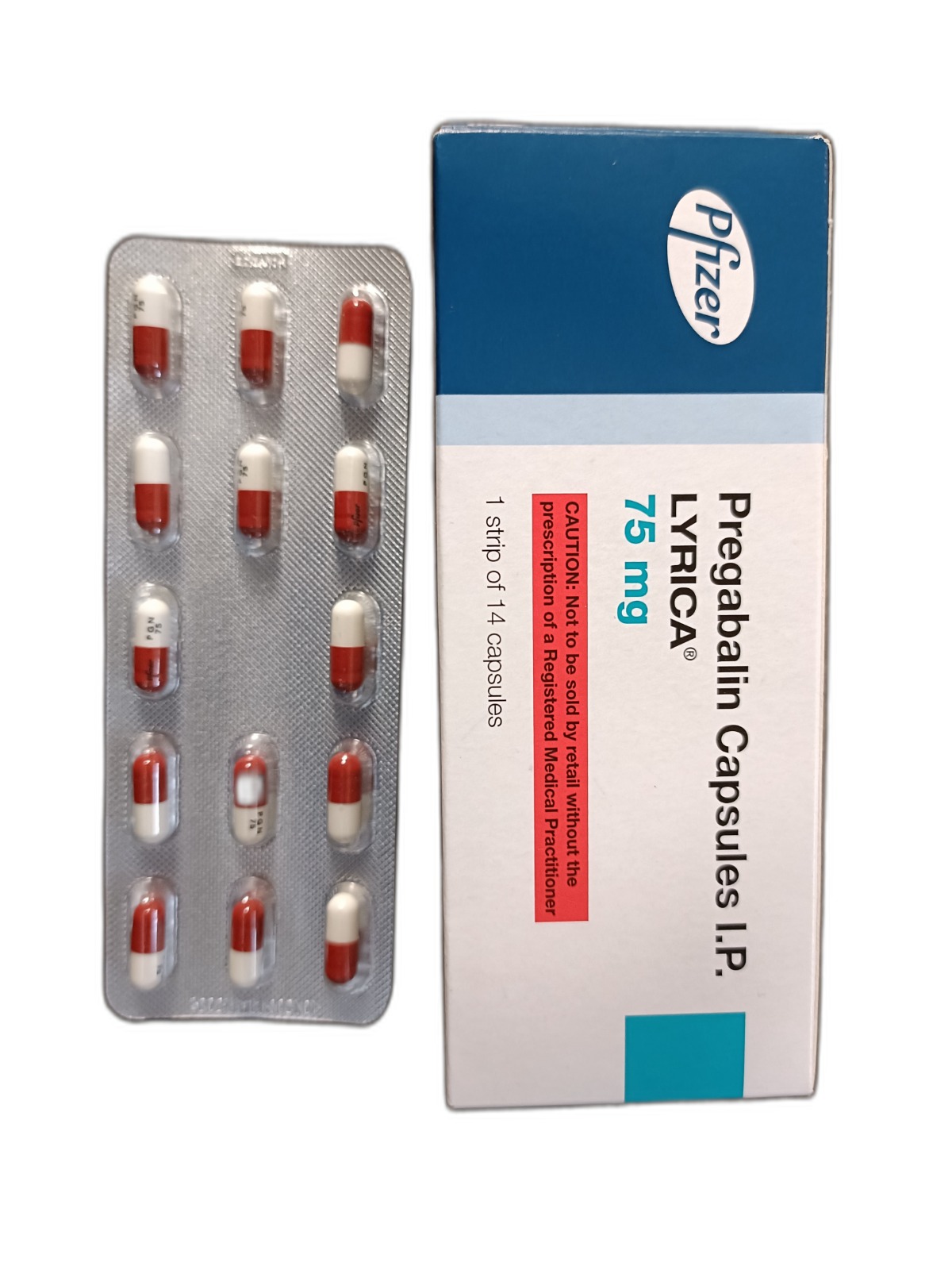
Lyrica 75 Mg
Lyrica 75 Mg is a prescription medication used to treat nerve pain, fibromyalgia, and certain types of seizures. It helps relieve symptoms by calming nerve activity in the brain and nervous system.
Lyrica 75 Mg
Lyrica 75 Mg is a prescription medication used to treat nerve pain, fibromyalgia, and certain types of seizures. It helps relieve symptoms by calming nerve activity in the brain and nervous system.
Manufacturer
Pfizer
Origin
India
Data Status
Verified AIWhat Is This Medicine?
Lyrica 75 Mg is a prescription medication containing pregabalin used to manage neuropathic pain, fibromyalgia, and seizures by calming nerve activity.
Medical Uses
It is used to treat nerve pain associated with diabetic neuropathy, postherpetic neuralgia, fibromyalgia, and as an adjunct therapy for partial seizures in epilepsy.
Administration
Take Lyrica 75 Mg orally as prescribed, usually one or two times daily with or without food. Do not adjust your dose without consulting your healthcare provider.
Mechanism
Lyrica works by binding to calcium channels in nerve cells, reducing the release of neurotransmitters that transmit pain and seizure signals, thereby calming nerve activity.
Target Benefits
Lyrica 75 Mg effectively reduces nerve pain, improves quality of life for fibromyalgia patients, and helps control seizures when used as adjunct therapy.
Standard Dosage Framework
The usual starting dose is 75 mg twice daily, but your doctor may adjust the dose based on your condition and response, not exceeding recommended limits.
Possible Side Effects
Possible side effects include dizziness, drowsiness, dry mouth, blurred vision, swelling, weight gain, and difficulty concentrating. Seek medical advice if severe side effects occur.
Critical Contraindications
Avoid driving or operating heavy machinery until you know how Lyrica affects you. Inform your doctor if you have kidney problems, history of substance abuse, or are pregnant or breastfeeding.
Interactions
Lyrica may interact with CNS depressants, opioids, alcohol, and other medications affecting the nervous system. Provide a full list of your medications to your healthcare provider.
Storage Environment
Store Lyrica 75 Mg at room temperature away from moisture, heat, and light. Keep out of reach of children and dispose of expired medication properly.
Advisory Node
Do not stop Lyrica suddenly without medical guidance. Inform your doctor about any allergies or medical conditions. Follow prescribed dosage and report any adverse reactions promptly.
Medical Disclaimer Summary
Lyrica 75 Mg is an effective treatment option for neuropathic pain, fibromyalgia, and seizures when used responsibly under medical supervision. Proper adherence to dosage and safety guidelines ensures maximum benefit with minimal risks.
Relational Mapping Tags
Frequently Asked Questions
What is Lyrica 75 Mg used for?
Lyrica 75 Mg is used to treat nerve pain, fibromyalgia, and as an adjunct treatment for certain types of seizures.
How should I take Lyrica 75 Mg?
Take Lyrica exactly as prescribed by your doctor, usually orally with or without food, and do not exceed the recommended dose.
What are common side effects of Lyrica 75 Mg?
Common side effects include dizziness, drowsiness, dry mouth, blurred vision, swelling, and weight gain.
Can I stop taking Lyrica suddenly?
No, stopping Lyrica abruptly may cause withdrawal symptoms; always consult your healthcare provider before discontinuing.
Does Lyrica interact with other medications?
Yes, Lyrica can interact with CNS depressants, opioids, and certain other medications. Inform your doctor about all drugs you use.