oral diabetes medication
Explore export-ready pharmaceutical products tagged under oral diabetes medication, including clinical use summaries, safety notes, manufacturer details, and inquiry-ready product pages.
Catalog
1
Status
Active
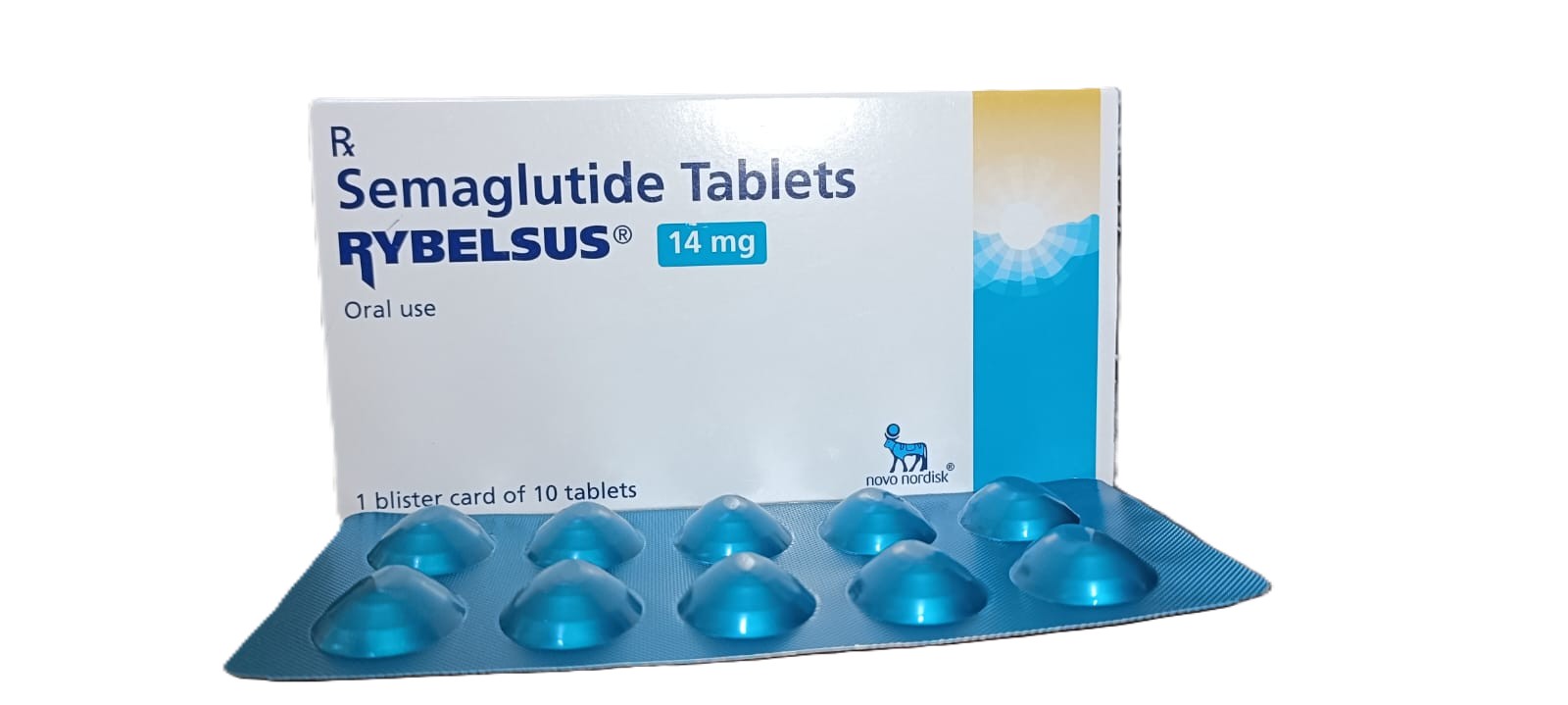
Rybelsus 14 Mg
Rybelsus 14 Mg is an oral medication used to improve blood sugar control in adults with Type 2 diabetes. It is a convenient once-daily tablet that supports glucose regulation alongside diet and exercise.
Rybelsus 14 Mg
Rybelsus 14 Mg is an oral medication used to improve blood sugar control in adults with Type 2 diabetes. It is a convenient once-daily tablet that supports glucose regulation alongside diet and exercise.
Manufacturer
Novo Nordisk
Origin
Denmark
Data Status
Verified AIWhat Is This Medicine?
Rybelsus 14 Mg is an oral glucagon-like peptide-1 (GLP-1) receptor agonist medication prescribed for adults with Type 2 diabetes to help control high blood sugar levels.
Medical Uses
Rybelsus is used as part of a comprehensive diabetes management plan to improve glycemic control in adults with Type 2 diabetes mellitus, reducing the risk of complications associated with elevated blood glucose.
Administration
Take Rybelsus 14 Mg once daily on an empty stomach with no more than 4 ounces of plain water. Wait at least 30 minutes before eating, drinking, or taking other oral medications to maximize absorption.
Mechanism
Rybelsus works by mimicking the GLP-1 hormone, which stimulates insulin release when blood sugar is high, suppresses glucagon secretion, and slows gastric emptying, thereby lowering blood glucose levels.
Target Benefits
Rybelsus helps reduce blood sugar levels, supports weight loss, and may improve cardiovascular health, offering convenient oral dosing compared to injectable GLP-1 receptor agonists.
Standard Dosage Framework
The typical starting dose is 3 mg once daily for 30 days, followed by an increase to 7 mg daily. Rybelsus 14 mg is a higher maintenance dose prescribed based on patient response and tolerability, as directed by a healthcare provider.
Possible Side Effects
Side effects can include nausea, vomiting, diarrhea, abdominal pain, decreased appetite, and indigestion. Rare but serious side effects may involve pancreatitis or allergic reactions.
Critical Contraindications
Do not use Rybelsus if you have a personal or family history of medullary thyroid carcinoma or multiple endocrine neoplasia syndrome type 2. Inform your doctor if you have a history of pancreatitis or kidney problems.
Interactions
Rybelsus may interact with insulin and other antidiabetic drugs, increasing hypoglycemia risk. It may also affect the absorption of oral medications due to delayed gastric emptying.
Storage Environment
Store Rybelsus tablets at room temperature between 20°C to 25°C (68°F to 77°F) in the original container, protected from moisture and light. Keep out of reach of children.
Advisory Node
Follow your healthcare provider's instructions carefully. Monitor blood sugar regularly and report any severe side effects. Do not discontinue Rybelsus without consulting your doctor.
Medical Disclaimer Summary
Rybelsus 14 Mg offers an effective, convenient oral treatment option for adults managing Type 2 diabetes. When used as prescribed alongside lifestyle modifications, it can significantly improve glycemic control and contribute to overall health.
Relational Mapping Tags
Frequently Asked Questions
What is Rybelsus 14 Mg used for?
Rybelsus 14 Mg is used to improve blood sugar control in adults with Type 2 diabetes, often alongside diet and exercise.
How do I take Rybelsus 14 Mg?
Rybelsus 14 Mg should be taken once daily on an empty stomach with a small amount of water, at least 30 minutes before the first food, drink, or other medications.
What are the common side effects of Rybelsus?
Common side effects may include nausea, diarrhea, decreased appetite, vomiting, and abdominal pain. If side effects persist or worsen, consult your healthcare provider.
Can Rybelsus cause low blood sugar (hypoglycemia)?
Rybelsus alone rarely causes hypoglycemia, but the risk increases if taken with other diabetes medications like insulin or sulfonylureas.
Is Rybelsus safe during pregnancy?
The safety of Rybelsus during pregnancy has not been established. Consult your healthcare provider if you are pregnant or planning to become pregnant.