Pregagesic dosage
Explore export-ready pharmaceutical products tagged under Pregagesic dosage, including clinical use summaries, safety notes, manufacturer details, and inquiry-ready product pages.
Catalog
1
Status
Active
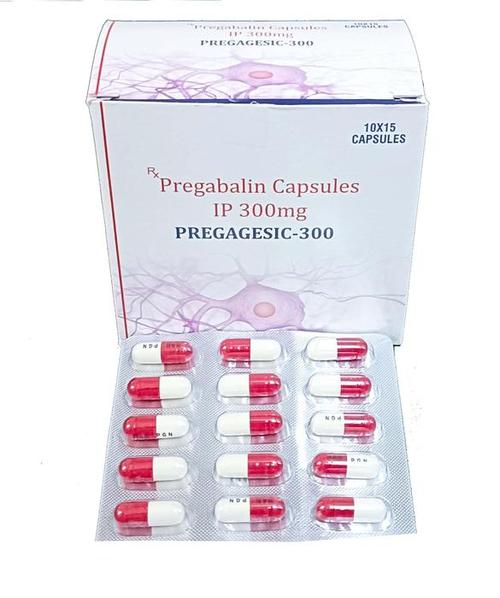
Pregagesic 300 mg
Pregagesic 300 mg is a powerful analgesic and anti-inflammatory medication commonly prescribed to manage mild to moderate pain and inflammation.
Pregagesic 300 mg
Pregagesic 300 mg is a powerful analgesic and anti-inflammatory medication commonly prescribed to manage mild to moderate pain and inflammation.
Manufacturer
Universal Health Care
Origin
India
Data Status
Verified AIWhat Is This Medicine?
Pregagesic 300 mg is a combination analgesic and anti-inflammatory medication formulated to treat various types of pain and inflammation effectively.
Medical Uses
It is commonly used to manage mild to moderate pain such as headaches, muscle pain, joint pain, menstrual cramps, and dental pain, as well as to reduce inflammation associated with these conditions.
Administration
Take Pregagesic 300 mg orally with water, preferably after meals to reduce stomach upset. Follow your healthcare provider’s instructions regarding dosage and duration. Do not exceed the recommended amount.
Mechanism
Pregagesic 300 mg works by inhibiting cyclooxygenase enzymes (COX-1 and COX-2), which reduces the production of prostaglandins responsible for pain and inflammation, thereby alleviating symptoms.
Target Benefits
Provides effective relief from pain and inflammation, improves mobility and comfort, fast onset of action, and can be used for various acute and chronic pain conditions.
Standard Dosage Framework
The usual adult dose is one 300 mg tablet taken every 6 to 8 hours as needed. Do not exceed 1200 mg in 24 hours unless directed by a physician. Pediatric dosing should be determined by a doctor.
Possible Side Effects
Possible side effects include nausea, dizziness, stomach pain, indigestion, and rash. Serious side effects are rare but may include allergic reactions, gastrointestinal bleeding, or liver issues.
Critical Contraindications
Avoid use if allergic to any ingredients in Pregagesic. Use caution in patients with liver or kidney impairment, gastrointestinal ulcers, bleeding disorders, or asthma. Pregnant and breastfeeding women should consult their doctor before use.
Interactions
Pregagesic 300 mg may interact with blood thinners, other NSAIDs, corticosteroids, and certain blood pressure medications. Always inform your healthcare provider about all medicines you are taking.
Storage Environment
Store Pregagesic 300 mg in a cool, dry place away from direct sunlight and moisture. Keep out of reach of children.
Advisory Node
Do not exceed the recommended dose. Avoid alcohol consumption while taking this medication. If you experience any adverse reactions, contact your healthcare provider immediately. Use caution when driving or operating machinery if dizziness occurs.
Medical Disclaimer Summary
Pregagesic 300 mg is an effective and reliable option for managing mild to moderate pain and inflammation. When used responsibly under medical guidance, it offers significant relief with minimal side effects, improving patient well-being and daily functioning.
Relational Mapping Tags
Frequently Asked Questions
What is Pregagesic 300 mg used for?
Pregagesic 300 mg is used to relieve mild to moderate pain such as headaches, muscle pain, dental pain, and menstrual cramps, as well as to reduce inflammation.
How should I take Pregagesic 300 mg?
Take Pregagesic 300 mg exactly as prescribed by your doctor, usually with a full glass of water, and avoid exceeding the recommended dosage.
Are there any side effects of Pregagesic 300 mg?
Common side effects may include nausea, dizziness, or stomach upset. If you experience severe side effects like allergic reactions or persistent discomfort, seek medical attention immediately.
Can Pregagesic 300 mg be taken with other medications?
Pregagesic 300 mg may interact with certain medications such as blood thinners or other NSAIDs. Inform your healthcare provider about all medicines you are taking.
Is Pregagesic 300 mg safe during pregnancy?
Pregagesic 300 mg should only be used during pregnancy if clearly needed and prescribed by a healthcare professional.