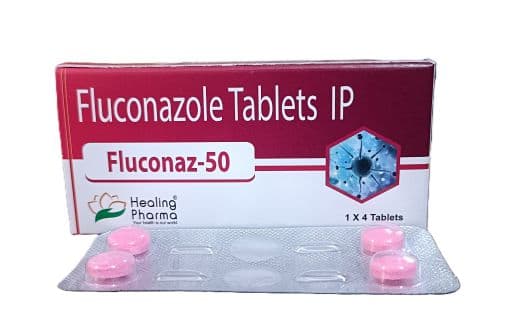
Anti Fungal Tablets available in the UK pharmaceutical market are specialized oral medications designed to treat fungal infections affecting various parts of the body. These tablets offer a convenient and effective method to inhibit and eliminate fungal pathogens responsible for infections such as athlete’s foot, ringworm, candidiasis, and other superficial or systemic fungal diseases. UK pharmaceutical buyers seek these antifungal drugs for their proven efficacy, safety profiles, and compliance with local regulatory standards. The anti fungal tablet category includes a range of active compounds like fluconazole, itraconazole, terbinafine, and griseofulvin, each targeting specific fungal organisms. These medications are essential in both hospital and community healthcare settings for managing fungal infections that, if untreated, may lead to complications or chronic conditions. The diversity of available antifungal tablets ensures tailored treatment options based on infection type, severity, and patient needs. Pharmaceutical suppliers in the UK prioritize sourcing high-quality antifungal tablets that meet stringent quality assurance protocols, ensuring optimal therapeutic outcomes and patient safety. This category supports the healthcare infrastructure by providing reliable antifungal solutions integral to effective infection control and patient care in the UK.
Anti Fungal Tablets are primarily used to treat a variety of fungal infections affecting the skin, nails, mucous membranes, and systemic organs. These medications are indicated for conditions including dermatophytosis (ringworm), tinea infections such as athlete’s foot and jock itch, candidiasis which affects the mouth, throat, and genital areas, and onychomycosis (fungal nail infection). In more severe cases, systemic antifungal tablets help manage invasive fungal infections that can affect internal organs, particularly in immunocompromised patients. These tablets work to inhibit the growth and replication of fungal cells, thereby reducing infection and symptoms such as itching, redness, scaling, and discomfort. Anti fungal tablets are vital in preventing the spread of fungal infections, especially in communal or healthcare environments. They are also used prophylactically in certain high-risk patients to prevent fungal infections. The versatility of antifungal tablets allows them to address both superficial and systemic fungal diseases, making them indispensable in clinical practice. Proper diagnosis and prescription ensure that the right antifungal agent is selected to target the specific fungal pathogen effectively, resulting in faster recovery and minimizing the risk of resistance development.
The dosage of Anti Fungal Tablets varies depending on the specific medication, type, and severity of fungal infection, as well as patient factors such as age, weight, and renal or hepatic function. For example, fluconazole is typically prescribed as a single 150 mg dose for uncomplicated vaginal candidiasis, whereas systemic infections may require daily doses ranging from 100 mg to 400 mg for several weeks. Terbinafine is usually administered at 250 mg once daily for 6 to 12 weeks in cases of onychomycosis. It is crucial to adhere strictly to the prescribed dosing schedule to ensure complete eradication of the fungus and reduce recurrence risk. Abrupt discontinuation or improper dosing may lead to treatment failure or resistance. Patients should take the tablets with or without food as directed and report any adverse effects to their healthcare provider. Dosage adjustments may be necessary for individuals with liver or kidney impairment. Healthcare providers will tailor the antifungal therapy to the patient's condition, ensuring optimal efficacy and safety throughout the treatment period.
Anti Fungal Tablets function by targeting the cellular structure and metabolic pathways of fungi to inhibit their growth and promote eradication. Most antifungal agents act on the fungal cell membrane or cell wall, which are critical for fungal survival. For example, azole antifungals like fluconazole and itraconazole inhibit the synthesis of ergosterol, an essential component of the fungal cell membrane, leading to increased membrane permeability and cell death. Terbinafine, an allylamine antifungal, disrupts ergosterol synthesis at a different enzymatic step, resulting in fungal cell death. Other antifungal tablets, such as griseofulvin, interfere with fungal cell division by binding to microtubules, preventing fungal replication. By disrupting these essential processes, antifungal tablets effectively reduce fungal load and control infection progression. The systemic absorption of oral antifungal tablets ensures that the active drug reaches infected tissues, including nails, skin layers, and internal organs, making them effective for both superficial and systemic fungal infections. The pharmacokinetics of these tablets are optimized to maintain therapeutic drug levels for sustained antifungal activity, minimizing the risk of resistance development and treatment failure.
The use of Anti Fungal Tablets offers numerous benefits for patients suffering from fungal infections. Firstly, oral antifungal medications provide systemic treatment, ensuring the medication reaches infected tissues not accessible by topical therapies alone. This is particularly beneficial for deep-seated or widespread infections. Secondly, antifungal tablets have a broad spectrum of activity against various fungal species, allowing targeted treatment based on the infection type. The convenience of oral administration improves patient compliance compared to other treatment forms requiring frequent topical application. Additionally, many antifungal tablets have well-established safety profiles, ensuring they can be used effectively with minimal adverse effects when taken as prescribed. These medications also reduce the risk of infection recurrence by thoroughly eliminating fungal pathogens. For healthcare providers, the availability of multiple antifungal agents allows customization of therapy based on patient-specific factors such as age, comorbidities, and drug interactions. Overall, antifungal tablets contribute to faster symptom relief, reduced infection transmission, and improved quality of life for patients in the UK and beyond.
The dosage of Anti Fungal Tablets varies depending on the specific medication, type, and severity of fungal infection, as well as patient factors such as age, weight, and renal or hepatic function. For example, fluconazole is typically prescribed as a single 150 mg dose for uncomplicated vaginal candidiasis, whereas systemic infections may require daily doses ranging from 100 mg to 400 mg for several weeks. Terbinafine is usually administered at 250 mg once daily for 6 to 12 weeks in cases of onychomycosis. It is crucial to adhere strictly to the prescribed dosing schedule to ensure complete eradication of the fungus and reduce recurrence risk. Abrupt discontinuation or improper dosing may lead to treatment failure or resistance. Patients should take the tablets with or without food as directed and report any adverse effects to their healthcare provider. Dosage adjustments may be necessary for individuals with liver or kidney impairment. Healthcare providers will tailor the antifungal therapy to the patient's condition, ensuring optimal efficacy and safety throughout the treatment period.
Anti Fungal Tablets represent a critical component in the management of fungal infections within the UK pharmaceutical landscape. Their effectiveness, safety, and convenience make them a preferred choice for treating both superficial and systemic fungal diseases. By providing comprehensive therapeutic options, these medications help reduce the burden of fungal infections on public health, improve patient outcomes, and prevent complications associated with untreated infections. Pharmaceutical buyers in the UK benefit from access to a wide range of high-quality antifungal tablets that comply with regulatory standards, ensuring reliable supply and efficacy. Proper usage, adherence to dosing regimens, and awareness of potential side effects and drug interactions are essential for maximizing treatment benefits. Overall, antifungal tablets continue to play a vital role in advancing fungal infection control and enhancing patient care within the UK healthcare system.
 GBP