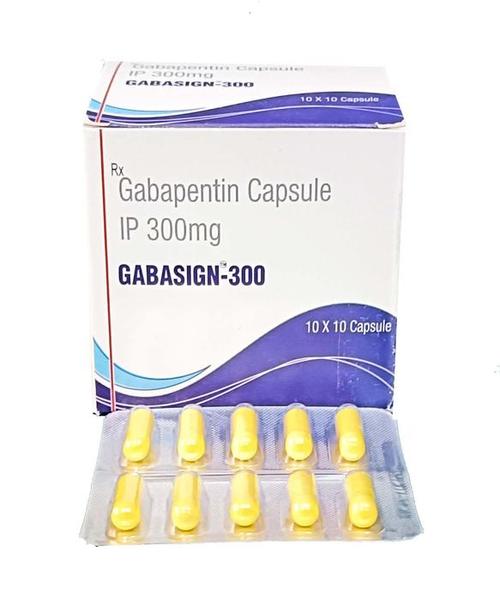
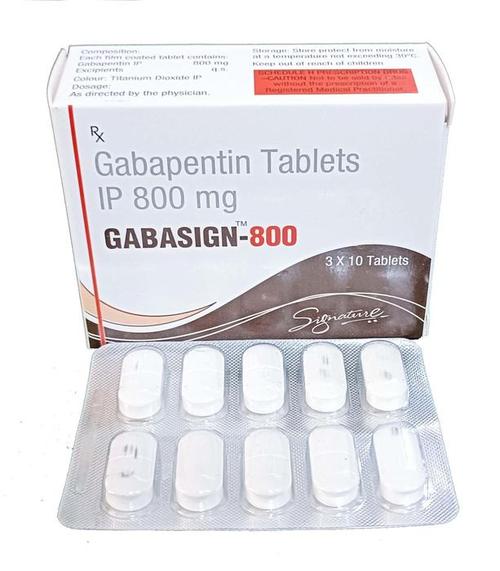
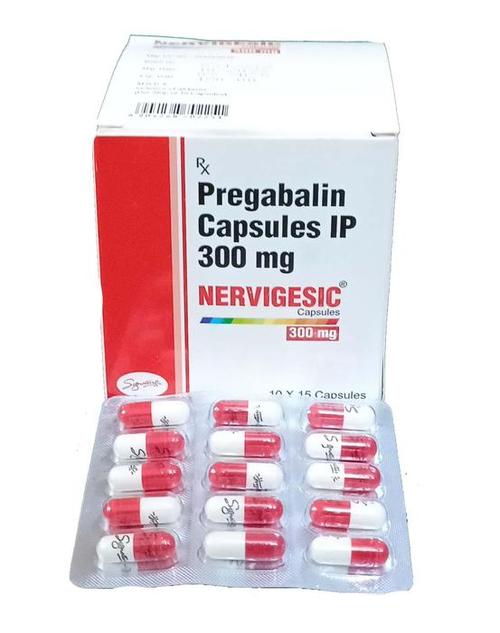
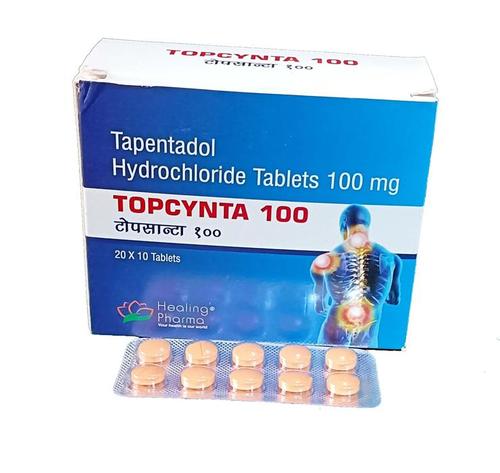
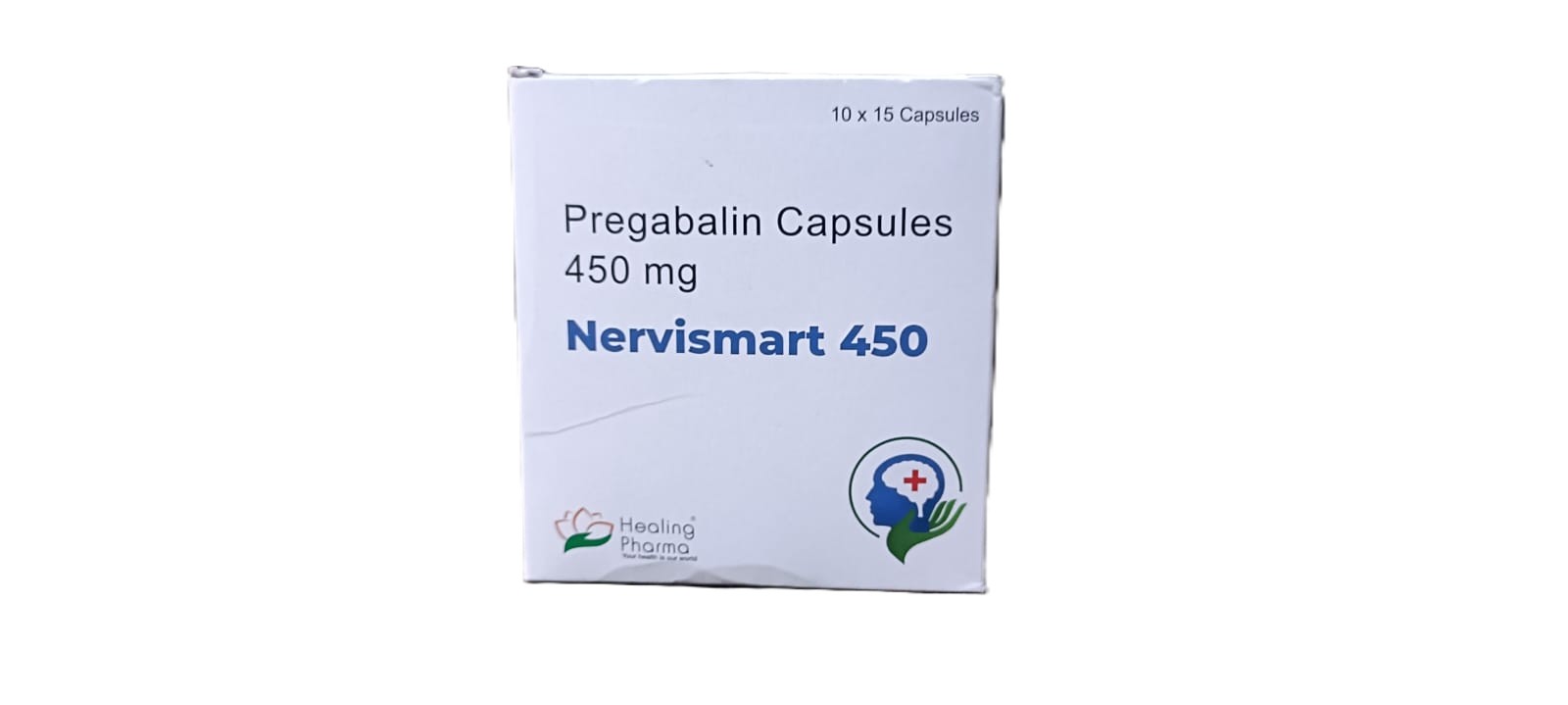
Pain killer tablets are a critical category of pharmaceutical products designed to provide effective relief from various types of pain. In the United Kingdom, these medications cater to a wide spectrum of pain etiologies including acute injuries, chronic conditions, and post-operative discomfort. The category comprises a diverse range of analgesics, from over-the-counter options like paracetamol and ibuprofen to prescription-strength opioid formulations. Pharmaceutical buyers in the UK benefit from sourcing these tablets due to their proven efficacy, safety profiles, and compliance with MHRA regulations. The availability of different formulations—immediate release, sustained release, and combination products—enables tailored pain management strategies for patients. Additionally, this category supports healthcare providers in enhancing patient quality of life by addressing pain promptly and effectively. Given the growing need for pain management solutions amidst an aging population and increased prevalence of chronic ailments, pain killer tablets remain indispensable in both hospital and community pharmacy settings. Buyers can access a broad selection of products that meet rigorous quality standards, ensuring optimal therapeutic outcomes and patient safety.
Pain killer tablets serve a fundamental role in the management of pain across various medical conditions. Their primary use is to alleviate discomfort caused by acute injuries such as sprains, fractures, and surgical procedures. They are also widely prescribed for chronic pain conditions including arthritis, neuropathic pain, fibromyalgia, and cancer-related pain. NSAIDs like ibuprofen reduce inflammation and swelling, making them effective for musculoskeletal pain and inflammatory disorders. Paracetamol is often used for mild to moderate pain relief and fever reduction without anti-inflammatory effects. Opioid analgesics are reserved for moderate to severe pain where other treatments are ineffective, particularly in cancer pain or post-operative settings. Pain killer tablets are also utilized in managing headaches, dental pain, and menstrual cramps, providing rapid symptomatic relief. Their versatility and effectiveness make them indispensable in both primary care and specialized medical treatments. Proper selection is essential to ensure that the chosen analgesic matches the pain type and patient profile, minimizing risks and maximizing therapeutic benefits.
Dosage information for pain killer tablets varies depending on the specific medication, patient characteristics, and severity of pain. Over-the-counter analgesics like paracetamol typically recommend doses of 500 mg to 1000 mg every 4 to 6 hours, not exceeding 4 grams per day to avoid liver toxicity. NSAIDs such as ibuprofen are commonly dosed at 200 mg to 400 mg every 6 to 8 hours, with maximum daily doses varying by product and patient factors. Opioid analgesics require individualized dosing, often starting at low doses with gradual titration under medical supervision to balance pain control and side effects. It is essential to follow prescribing guidelines and consult healthcare professionals before adjusting dosage. Patients should never exceed recommended doses or combine multiple painkillers without professional advice to prevent adverse effects. Special populations, including children, elderly patients, and those with liver or kidney impairment, may require dose modifications. Adherence to dosage instructions ensures optimal efficacy and minimizes risks associated with overdose or toxicity.
Pain killer tablets function by targeting the biological processes involved in the sensation and transmission of pain signals within the body. NSAIDs, such as ibuprofen and naproxen, inhibit cyclooxygenase enzymes (COX-1 and COX-2), which are responsible for producing prostaglandins—chemicals that promote inflammation, pain, and fever. By blocking prostaglandin synthesis, NSAIDs reduce inflammation and alleviate associated pain. Paracetamol acts primarily on the central nervous system, modulating pain perception and reducing fever through mechanisms that are not fully understood but involve inhibition of COX enzymes in the brain. Opioid analgesics bind to opioid receptors in the central and peripheral nervous systems, altering the perception of pain and producing analgesia. These drugs affect the transmission of pain signals and emotional response to pain, making them effective for severe pain conditions. The diverse mechanisms of action among pain killer tablets allow healthcare providers to select appropriate agents based on the type and severity of pain, patient tolerance, and underlying medical conditions. Understanding these mechanisms is crucial for optimizing pain management while minimizing adverse effects.
The benefits of pain killer tablets extend beyond simple pain relief. They improve patient mobility and quality of life by reducing pain levels, thereby enabling individuals to perform daily activities more comfortably. Effective analgesics help prevent the progression of acute pain into chronic pain syndromes, which can be debilitating and difficult to treat. Many pain killers, particularly NSAIDs, also possess anti-inflammatory properties that address the underlying causes of pain rather than just masking symptoms. By controlling pain effectively, these tablets reduce the need for more invasive interventions such as surgery. Pharmaceutical buyers benefit from offering a range of validated pain relief options that are trusted by healthcare providers and patients alike. Additionally, modern formulations with improved safety profiles reduce the likelihood of adverse effects, ensuring better patient compliance. Pain killer tablets also support public health by managing pain-related disabilities, thus reducing the economic burden associated with lost productivity and healthcare costs. Overall, these medications provide a balanced combination of efficacy, safety, and accessibility, making them essential in comprehensive pain management protocols.
Dosage information for pain killer tablets varies depending on the specific medication, patient characteristics, and severity of pain. Over-the-counter analgesics like paracetamol typically recommend doses of 500 mg to 1000 mg every 4 to 6 hours, not exceeding 4 grams per day to avoid liver toxicity. NSAIDs such as ibuprofen are commonly dosed at 200 mg to 400 mg every 6 to 8 hours, with maximum daily doses varying by product and patient factors. Opioid analgesics require individualized dosing, often starting at low doses with gradual titration under medical supervision to balance pain control and side effects. It is essential to follow prescribing guidelines and consult healthcare professionals before adjusting dosage. Patients should never exceed recommended doses or combine multiple painkillers without professional advice to prevent adverse effects. Special populations, including children, elderly patients, and those with liver or kidney impairment, may require dose modifications. Adherence to dosage instructions ensures optimal efficacy and minimizes risks associated with overdose or toxicity.
Pain killer tablets remain a cornerstone in the management of pain, providing essential relief for a wide range of conditions affecting patients in the United Kingdom. Their diverse pharmacological classes and formulations enable tailored treatment approaches that address both acute and chronic pain effectively. For pharmaceutical buyers, sourcing high-quality, regulatory-compliant analgesics is critical to supporting healthcare providers and patients in achieving optimal pain control. Understanding the medical uses, benefits, mechanisms, dosing, and safety considerations of these medications facilitates informed procurement decisions. While pain killers offer significant therapeutic advantages, attention to potential side effects, warnings, and drug interactions is paramount to ensure patient safety. Proper storage and adherence to safety advice further enhance the efficacy of these treatments. Ultimately, pain killer tablets contribute substantially to improving patient quality of life by alleviating discomfort and enabling functional recovery. Partnering with trusted suppliers ensures access to reliable analgesic products that meet the evolving needs of the UK healthcare landscape.