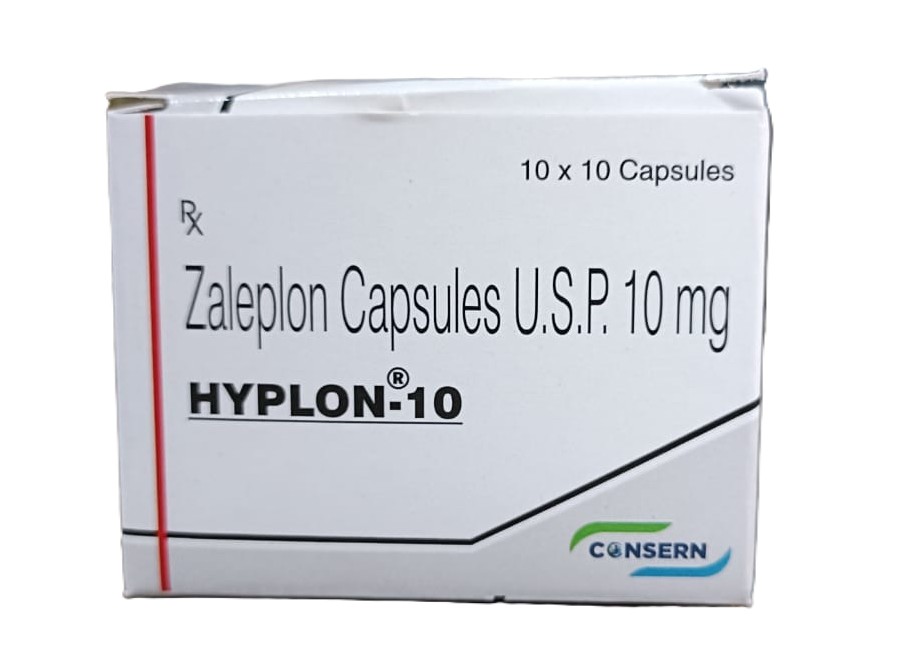
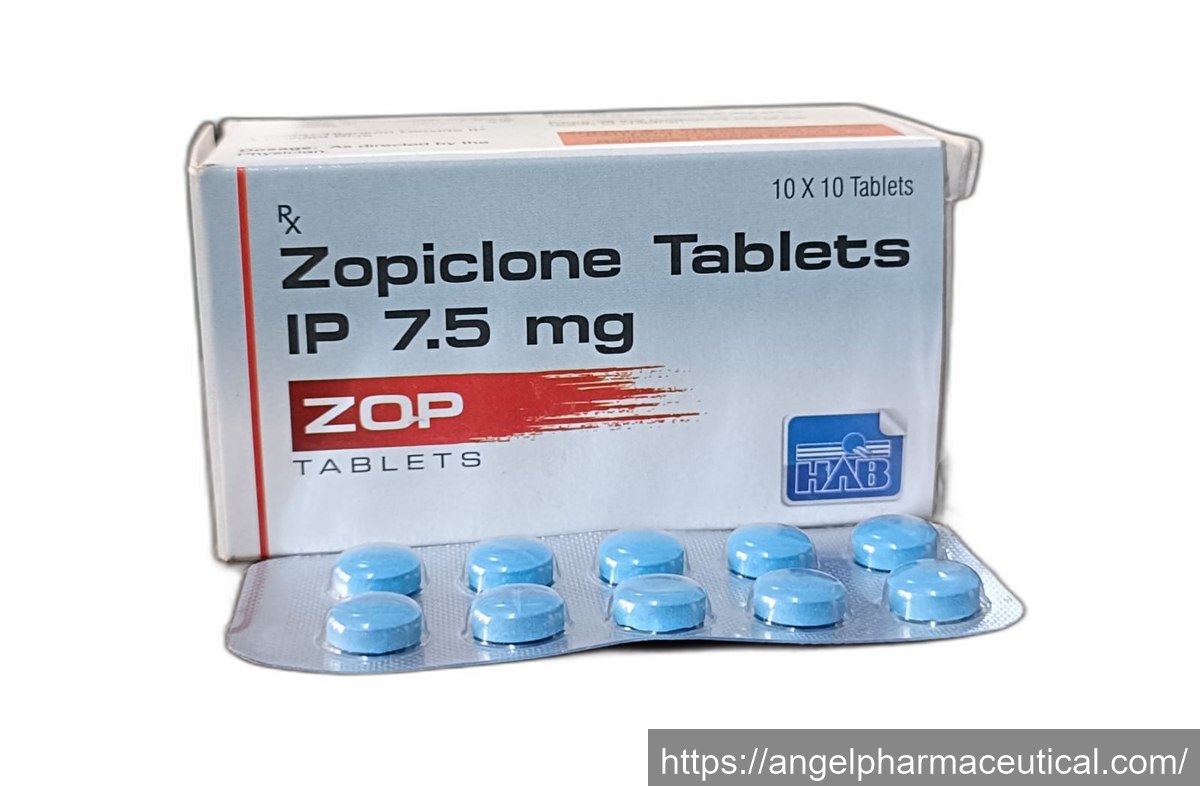
The anti depressant tablet category for pharmaceutical buyers in the United Kingdom encompasses a wide variety of medications aimed at managing depressive disorders and associated mental health conditions. This category includes highly regulated products that address the imbalance of neurotransmitters in the brain, which are critical for mood regulation and emotional stability. Pharmaceutical buyers in the UK benefit from access to trusted suppliers offering a range of formulations, including immediate and extended-release tablets, tailored to meet specific patient needs. With rising awareness of mental health challenges, the demand for effective anti depressant medications has grown, emphasizing the importance of sourcing quality-assured tablets compliant with UK medical standards. These products support healthcare providers in delivering evidence-based treatment plans, improving patient outcomes and quality of life. The category also includes options for coexisting conditions like anxiety and chronic pain, highlighting the versatility of anti depressant tablets in therapeutic protocols. Overall, this category represents a crucial segment in the pharmaceutical market, reinforcing mental health initiatives across the UK.
Anti depressant tablets are primarily prescribed to treat major depressive disorder, anxiety disorders, panic attacks, and other mood-related conditions. They help correct chemical imbalances in the brain by modulating neurotransmitters such as serotonin, norepinephrine, and dopamine, which play key roles in mood regulation. Beyond depression, these medications are often used to manage chronic pain, obsessive-compulsive disorder (OCD), post-traumatic stress disorder (PTSD), and certain eating disorders. By improving neurotransmitter function, anti depressant tablets can alleviate symptoms like persistent sadness, loss of interest, fatigue, and disturbances in sleep or appetite. In clinical practice, they are an integral part of comprehensive mental health treatment plans, often combined with psychotherapy and lifestyle changes. For pharmaceutical buyers, ensuring access to a broad range of anti depressant tablets supports diverse patient needs within the UK healthcare system. Additionally, these medications facilitate long-term mood stabilization and relapse prevention, essential for sustained mental wellness.
Dosage of anti depressant tablets varies depending on the specific medication, severity of the condition, patient age, and response to treatment. Typically, treatment begins with a low dose to minimize side effects, followed by gradual titration to an effective therapeutic level. For example, SSRIs often start at half or full standard doses, with adjustments made every few weeks based on clinical response. Extended-release formulations require careful timing to maintain steady drug levels. It is critical to follow prescribing guidelines and not alter doses without medical consultation. Treatment duration usually spans several months, with some patients requiring longer maintenance therapy to prevent relapse. Missed doses should be taken as soon as remembered unless close to the next scheduled dose. Pharmaceutical buyers must provide clear dosage instructions and ensure packaging supports adherence to prescribed regimens.
Anti depressant tablets function by altering the levels and activity of neurotransmitters in the brain, chemicals responsible for transmitting signals between nerve cells. Most commonly, they increase the availability of serotonin and norepinephrine, which are often deficient in individuals experiencing depression. Selective Serotonin Reuptake Inhibitors (SSRIs) work by blocking the reabsorption (reuptake) of serotonin into neurons, thereby increasing its presence in the synaptic space. Serotonin-Norepinephrine Reuptake Inhibitors (SNRIs) similarly enhance both serotonin and norepinephrine levels. Tricyclic antidepressants and Monoamine Oxidase Inhibitors (MAOIs) operate through different mechanisms but ultimately boost neurotransmitter activity to improve mood and emotional regulation. This biochemical modulation helps alleviate symptoms such as low mood, anxiety, and impaired cognitive function. The therapeutic effects typically develop gradually over several weeks as neuronal pathways adapt to the increased neurotransmitter presence. Understanding the pharmacodynamics of anti depressant tablets aids pharmaceutical buyers in selecting appropriate formulations for various clinical scenarios.
The benefits of anti depressant tablets extend beyond symptom relief, contributing significantly to overall mental health improvement. These medications help restore chemical balance in the brain, leading to enhanced mood, increased energy levels, and better concentration. By reducing symptoms of depression and anxiety, anti depressants improve patients’ ability to function socially and professionally. Long-term use under medical supervision can prevent relapse and support sustained recovery. For pharmaceutical buyers, offering a variety of anti depressant tablets allows healthcare providers to customize treatments based on individual patient profiles, increasing efficacy and minimizing adverse effects. Additionally, many anti depressants have dual benefits, addressing comorbid conditions such as chronic pain and anxiety. The availability of different classes of anti depressants ensures that treatment can be tailored according to severity and specific symptomatology. Overall, these medications play a vital role in improving quality of life and facilitating the return to normal daily activities.
Dosage of anti depressant tablets varies depending on the specific medication, severity of the condition, patient age, and response to treatment. Typically, treatment begins with a low dose to minimize side effects, followed by gradual titration to an effective therapeutic level. For example, SSRIs often start at half or full standard doses, with adjustments made every few weeks based on clinical response. Extended-release formulations require careful timing to maintain steady drug levels. It is critical to follow prescribing guidelines and not alter doses without medical consultation. Treatment duration usually spans several months, with some patients requiring longer maintenance therapy to prevent relapse. Missed doses should be taken as soon as remembered unless close to the next scheduled dose. Pharmaceutical buyers must provide clear dosage instructions and ensure packaging supports adherence to prescribed regimens.
Anti depressant tablets represent a vital component in the pharmaceutical landscape of the United Kingdom, addressing the growing need for effective mental health treatments. For pharmaceutical buyers, sourcing high-quality, regulated anti depressant medications ensures that healthcare professionals have access to reliable therapeutic options for managing depression and related disorders. These tablets play a critical role in improving patient outcomes by restoring chemical balance in the brain, alleviating symptoms, and enhancing overall quality of life. With a variety of formulations and mechanisms of action available, personalized treatment approaches can be implemented to meet diverse patient needs. Comprehensive information on dosage, side effects, warnings, and drug interactions supports safe and effective use. Proper storage and safety protocols further enhance medication efficacy and patient adherence. By prioritizing quality and regulatory compliance, pharmaceutical buyers contribute significantly to advancing mental health care across the UK population.