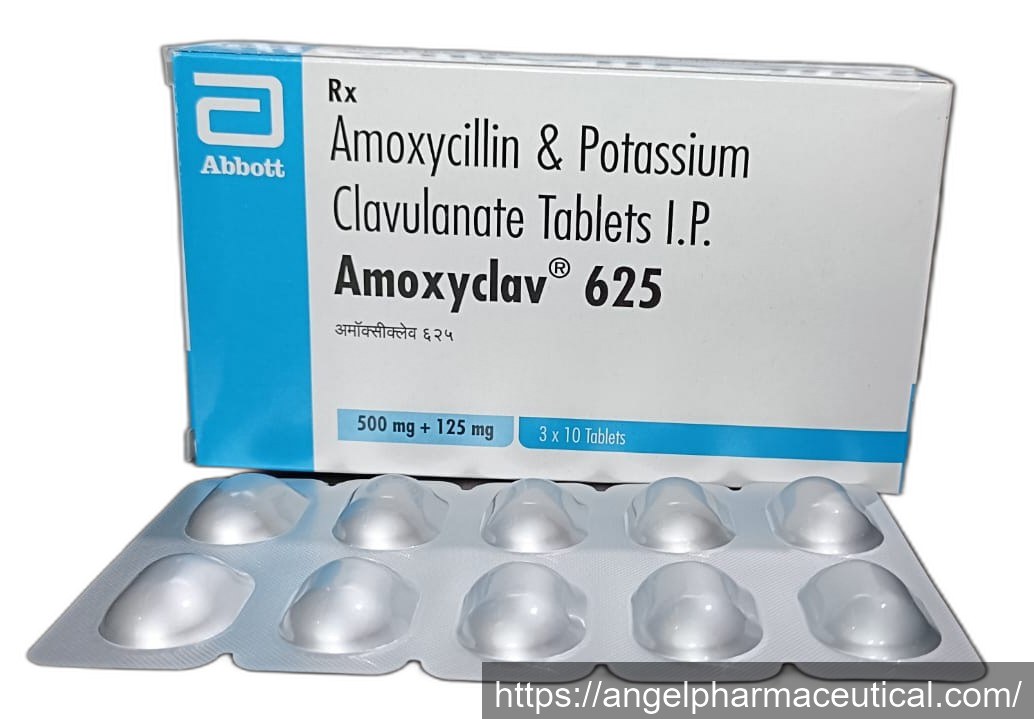
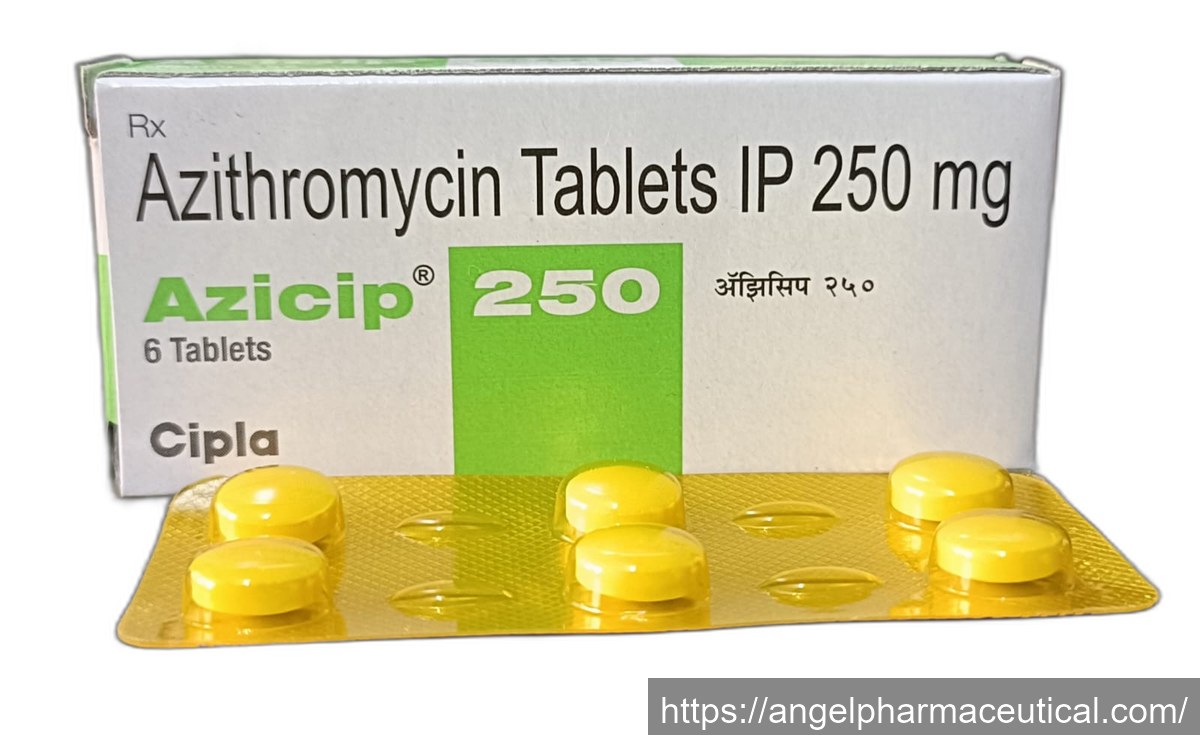
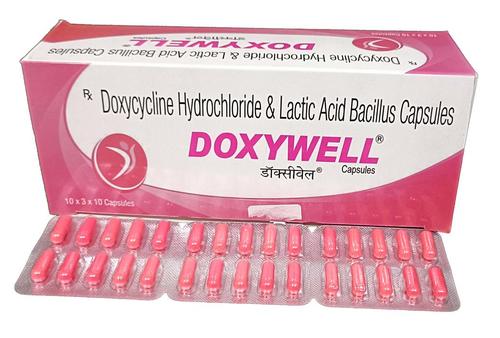
The category 'Buy Anti Biotic Tablet USA' caters to pharmaceutical buyers and patients seeking quality antibiotic medications within the United States. Antibiotics are essential pharmaceutical agents used globally to treat bacterial infections by inhibiting or killing pathogenic bacteria. This category encompasses a diverse range of antibiotic tablets approved for safe use in the USA. These medicines are sourced from reputable manufacturers adhering to stringent quality control standards. Buyers can find antibiotics designed for various infections, including respiratory tract infections, urinary tract infections, skin infections, and more. The availability of these antibiotics in tablet form provides convenience and ease of administration for patients. This category emphasizes the importance of responsible antibiotic use to prevent antimicrobial resistance, a growing global health threat. Pharmaceutical buyers will find comprehensive information on each antibiotic, including indications, dosage forms, side effects, and safety warnings. By offering trusted antibiotic tablets, this category supports healthcare providers and patients in managing bacterial infections effectively and safely within the United States healthcare framework.
Antibiotic tablets are primarily used to treat a wide variety of bacterial infections by targeting and eliminating harmful bacteria causing disease. Common medical uses include the treatment of respiratory tract infections such as pneumonia, bronchitis, and sinusitis. They are also prescribed for urinary tract infections, skin and soft tissue infections, gastrointestinal infections, and sexually transmitted infections. Additionally, antibiotics are vital in preventing infections in surgical procedures and in immunocompromised patients. The choice of antibiotic depends on the type of bacteria involved, infection location, severity, and patient-specific factors like allergies or existing health conditions. Antibiotics are ineffective against viral infections, so accurate diagnosis is essential to ensure appropriate use. Medical professionals rely on antibiotic tablets as a fundamental component of antimicrobial therapy to reduce morbidity and prevent complications associated with bacterial diseases. Proper antibiotic use helps control infection spread and supports overall public health.
Dosage of antibiotic tablets varies depending on the specific medication, infection type, severity, patient age, weight, and kidney or liver function. It is essential to follow the prescribing healthcare provider’s instructions precisely to ensure optimal treatment outcomes. Commonly, antibiotics are administered in divided doses throughout the day at evenly spaced intervals to maintain effective blood levels. The duration of therapy typically ranges from 5 to 14 days but may be extended for complicated or chronic infections. Patients should never alter dosage or stop treatment prematurely, even if symptoms improve, as this can promote bacterial resistance. Pediatric dosages are often calculated based on body weight or surface area, while elderly patients may require dose adjustments due to organ function decline. Some antibiotics require administration with food or on an empty stomach to enhance absorption. Always consult healthcare providers or pharmacists for specific dosage guidance and read the medication leaflet carefully.
Antibiotic tablets work by targeting bacterial cells through various mechanisms to inhibit their growth or kill them directly. Depending on the antibiotic class, these mechanisms include disrupting bacterial cell wall synthesis, inhibiting protein synthesis, interfering with nucleic acid replication, or blocking essential metabolic pathways. For example, penicillins and cephalosporins inhibit the formation of the bacterial cell wall, causing cell lysis and death. Macrolides and tetracyclines interfere with bacterial protein production, preventing bacteria from multiplying. Fluoroquinolones inhibit DNA gyrase, an enzyme critical for bacterial DNA replication. By selectively targeting bacterial cells without harming human cells, antibiotics effectively control infections. Understanding the mode of action helps healthcare providers select the most appropriate antibiotic based on infection type and bacterial susceptibility. It also underlines the importance of completing prescribed courses to prevent bacterial resistance development, which can occur if bacteria survive suboptimal antibiotic exposure.
The benefits of using antibiotic tablets include effective treatment and resolution of bacterial infections, preventing complications that may arise from untreated infections. Antibiotics help reduce symptoms such as fever, pain, and inflammation by eliminating the causative bacteria. They also contribute to faster recovery times, enabling patients to return to normal activities sooner. When used responsibly, antibiotics minimize the risk of infection spread to others and lower the burden on healthcare systems. Tablets as a dosage form offer convenient, precise dosing with good bioavailability, allowing ease of use especially in outpatient settings. Furthermore, antibiotics protect vulnerable populations like the elderly, children, and immunocompromised individuals from severe or life-threatening bacterial infections. Timely antibiotic therapy can prevent hospitalizations and reduce healthcare costs. Overall, antibiotic tablets remain a cornerstone of modern medicine, enhancing patient outcomes and public health when used judiciously.
Dosage of antibiotic tablets varies depending on the specific medication, infection type, severity, patient age, weight, and kidney or liver function. It is essential to follow the prescribing healthcare provider’s instructions precisely to ensure optimal treatment outcomes. Commonly, antibiotics are administered in divided doses throughout the day at evenly spaced intervals to maintain effective blood levels. The duration of therapy typically ranges from 5 to 14 days but may be extended for complicated or chronic infections. Patients should never alter dosage or stop treatment prematurely, even if symptoms improve, as this can promote bacterial resistance. Pediatric dosages are often calculated based on body weight or surface area, while elderly patients may require dose adjustments due to organ function decline. Some antibiotics require administration with food or on an empty stomach to enhance absorption. Always consult healthcare providers or pharmacists for specific dosage guidance and read the medication leaflet carefully.
In conclusion, buying antibiotic tablets in the USA offers access to a vital class of medications essential for treating bacterial infections effectively and safely. These antibiotics, available in various classes and formulations, empower healthcare professionals and patients to manage diverse infections ranging from mild to severe. Responsible use, including adherence to prescribed dosages and awareness of potential side effects, warnings, and drug interactions, is paramount to optimizing treatment outcomes and combating antibiotic resistance. Proper storage and safety precautions further ensure medication efficacy and patient well-being. By sourcing high-quality antibiotics from trusted pharmaceutical providers, buyers in the United States can ensure reliable access to these crucial medicines. Ultimately, antibiotics remain a cornerstone of modern healthcare, and their judicious use supports both individual health and broader public health goals.