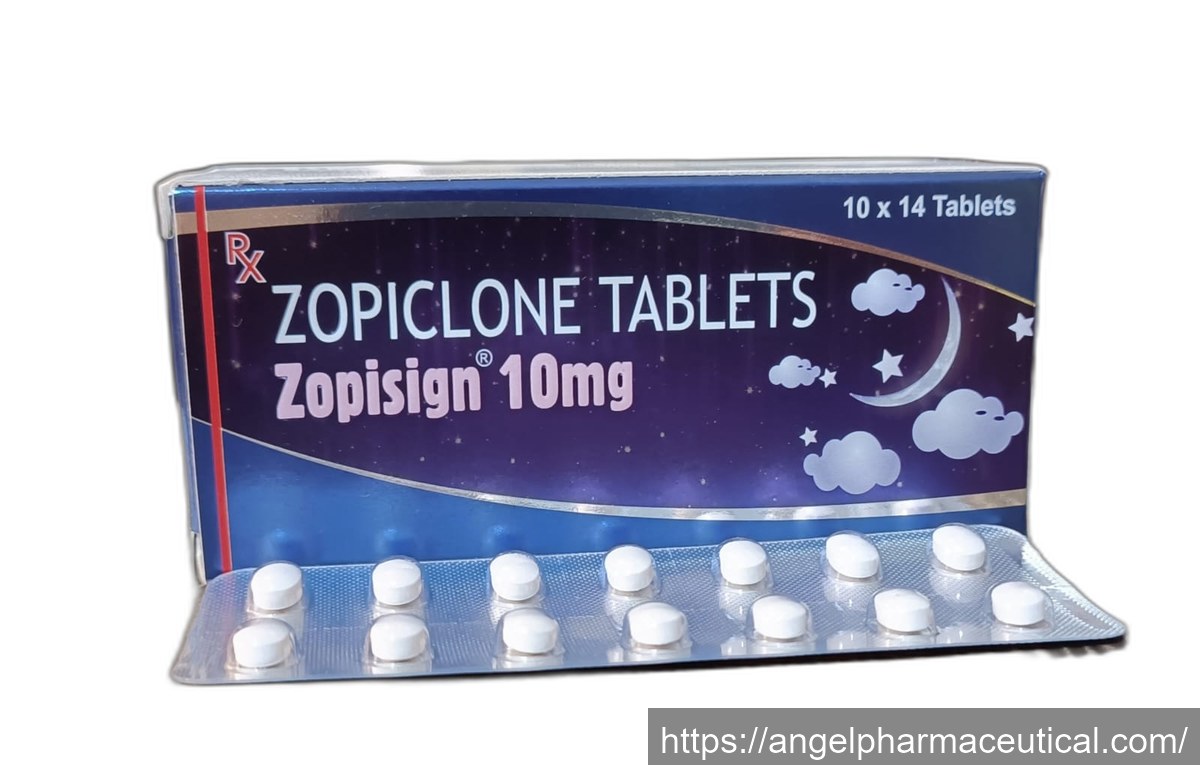
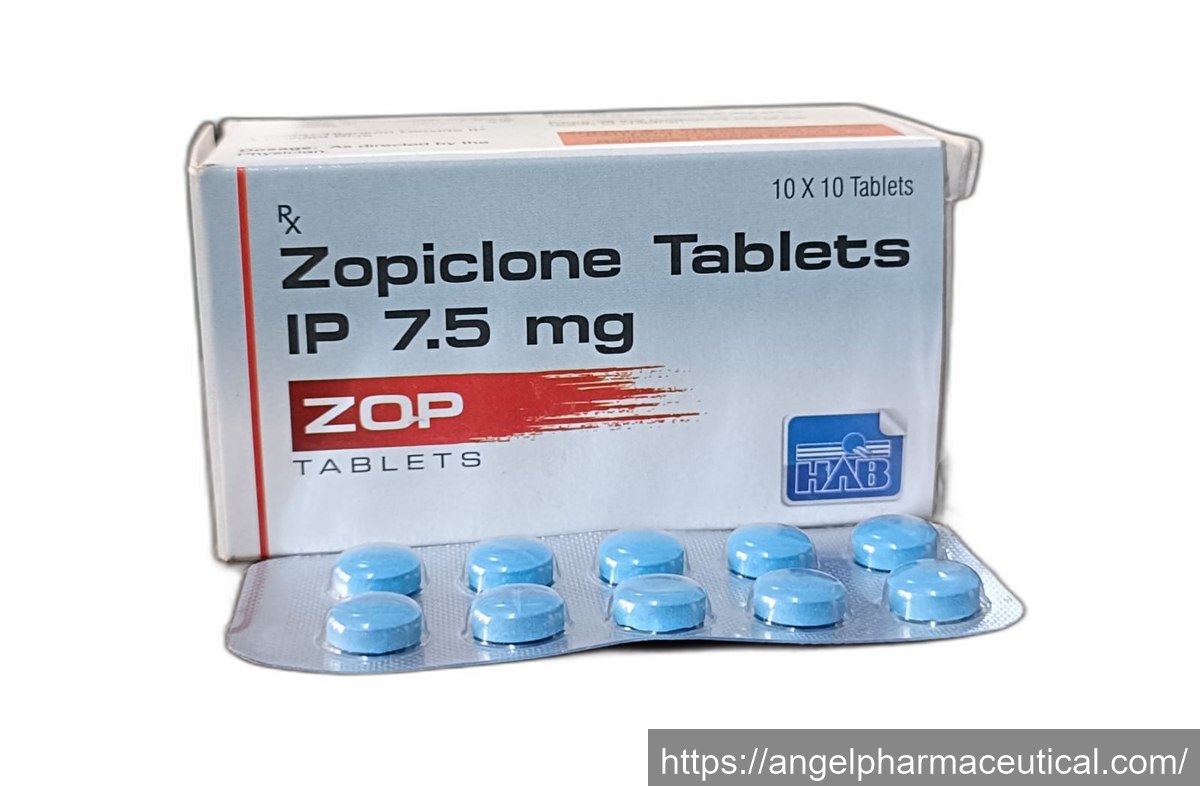
Anti depressant tablets are pharmaceutical formulations designed to treat clinical depression and related mood disorders. In the United States, these medications are a vital component of mental health treatment protocols. The category encompasses several classes of drugs, each with unique mechanisms targeting neurotransmitter imbalances. Pharmaceutical buyers prioritize anti depressant tablets that meet stringent regulatory standards to ensure safety, efficacy, and patient compliance. Due to the chronic nature of depression, these medications often require long-term administration, making quality assurance and consistent supply critical. The market demand is driven by increasing awareness around mental health and the expanding prevalence of depressive disorders. This category caters to healthcare providers, hospitals, and pharmacies looking for reliable anti depressant medication options that adhere to FDA guidelines. Comprehensive knowledge of the different anti depressant classes, dosing regimens, and side effect profiles is essential for informed purchasing decisions. Angel Pharmaceutical is committed to offering premium anti depressant tablets tailored to the U.S. market, supporting optimal therapeutic outcomes for patients.
Anti depressant tablets are primarily prescribed for the treatment of major depressive disorder, characterized by persistent low mood, loss of interest, and impaired daily functioning. Beyond depression, these medications are effective in managing anxiety disorders, panic attacks, obsessive-compulsive disorder (OCD), and post-traumatic stress disorder (PTSD). Certain anti depressants are also utilized for chronic pain management and migraine prevention due to their influence on neurotransmitter pathways. In clinical practice, anti depressant therapy is often combined with psychotherapy to maximize patient recovery. The goal of treatment is to restore chemical balance in the brain, alleviating symptoms that interfere with emotional well-being and quality of life. Pharmaceutical buyers must ensure that the anti depressant tablets they procure align with approved indications and are backed by robust clinical evidence. Monitoring patient response and adjusting treatment plans are essential to address potential resistance or adverse effects. These medications have transformed mental health care by providing reliable symptom control and enhancing patient functionality across diverse psychiatric conditions.
Dosage of anti depressant tablets varies based on the specific medication, patient age, severity of the condition, and response to treatment. Typically, therapy begins with a low dose to minimize side effects, gradually increasing to an effective therapeutic level. For example, SSRIs often start at 10-20 mg per day, titrated upwards as needed. Treatment duration usually extends for several months to prevent relapse, with periodic assessment to determine the need for continuation or tapering. It is crucial to follow prescribing guidelines strictly and avoid abrupt discontinuation, which can cause withdrawal symptoms. Pharmaceutical buyers should provide detailed dosage instructions and ensure that labeling complies with regulatory standards. Patient adherence to prescribed doses is vital for treatment success and safety, underscoring the importance of clear communication between healthcare professionals and patients.
Anti depressant tablets function by altering the levels of key neurotransmitters in the brain—primarily serotonin, norepinephrine, and dopamine—which regulate mood, cognition, and emotional response. Different classes of anti depressants target these neurotransmitters through distinct mechanisms. For example, Selective Serotonin Reuptake Inhibitors (SSRIs) block the reabsorption of serotonin into neurons, increasing its availability in the synaptic cleft and enhancing mood stabilization. Serotonin-Norepinephrine Reuptake Inhibitors (SNRIs) similarly increase serotonin and norepinephrine levels, providing broader symptom relief. Tricyclic anti depressants affect multiple neurotransmitter systems but often carry more side effects. Monoamine Oxidase Inhibitors (MAOIs) prevent the breakdown of neurotransmitters, thereby elevating their concentrations. These biochemical adjustments help correct imbalances often observed in depressive and anxiety disorders. The therapeutic effect typically emerges over several weeks, necessitating adherence and monitoring. Understanding how anti depressants work is crucial for pharmaceutical buyers and healthcare providers to select appropriate medications and educate patients effectively.
The benefits of anti depressant tablets extend beyond symptom relief to improving overall mental health and quality of life. By regulating neurotransmitter activity, these medications can reduce feelings of sadness, anxiety, and hopelessness, enabling patients to regain emotional stability. Anti depressants facilitate better sleep patterns, increased energy levels, and improved concentration, which are often impaired in depressive states. For pharmaceutical buyers, sourcing effective anti depressant tablets ensures that healthcare providers can deliver consistent and reliable treatment options. Early and appropriate use of these medications can prevent the progression of depressive episodes, reduce hospitalization rates, and support long-term remission. Additionally, some anti depressants have dual benefits, addressing both mood disorders and associated conditions such as chronic pain. The availability of diverse anti depressant classes allows for personalized treatment approaches, minimizing side effects and maximizing therapeutic results. Overall, these tablets are indispensable tools in the psychiatric pharmaceutical arsenal, offering hope and improved function to millions affected by mental health disorders.
Dosage of anti depressant tablets varies based on the specific medication, patient age, severity of the condition, and response to treatment. Typically, therapy begins with a low dose to minimize side effects, gradually increasing to an effective therapeutic level. For example, SSRIs often start at 10-20 mg per day, titrated upwards as needed. Treatment duration usually extends for several months to prevent relapse, with periodic assessment to determine the need for continuation or tapering. It is crucial to follow prescribing guidelines strictly and avoid abrupt discontinuation, which can cause withdrawal symptoms. Pharmaceutical buyers should provide detailed dosage instructions and ensure that labeling complies with regulatory standards. Patient adherence to prescribed doses is vital for treatment success and safety, underscoring the importance of clear communication between healthcare professionals and patients.
Anti depressant tablets are indispensable in the treatment of depression and other psychiatric disorders, offering significant improvements in patient well-being and functionality. For pharmaceutical buyers in the United States, sourcing high-quality, FDA-approved anti depressant medications is essential to meet clinical demands and regulatory standards. Understanding the diverse classes of anti depressants, their mechanisms, benefits, and potential risks enables informed purchasing decisions that support optimal patient outcomes. Proper dosage, vigilant monitoring for side effects, awareness of drug interactions, and adherence to storage and safety guidelines are critical components of effective therapy. Angel Pharmaceutical is dedicated to providing premium anti depressant tablets, ensuring reliable supply and comprehensive support for healthcare providers and patients alike. By prioritizing quality and safety, these medications continue to play a vital role in advancing mental health care across the United States.