Skip to content
Angel PharmaceuticalWholesale · Export
🇺🇸 United States catalogAngel Pharmaceutical

Pain Killer Tablet USA

Discover high-quality pain killer tablets available in the USA, designed for effective relief from various types of pain. Ideal for pharmaceutical buyers seeking trusted products.

Select your market

Products
9
Categories
13
Browse United States categories

Explore the catalog

Compare product details, manufacturers, and strengths

9 products

9 products found · Page 1 of 1

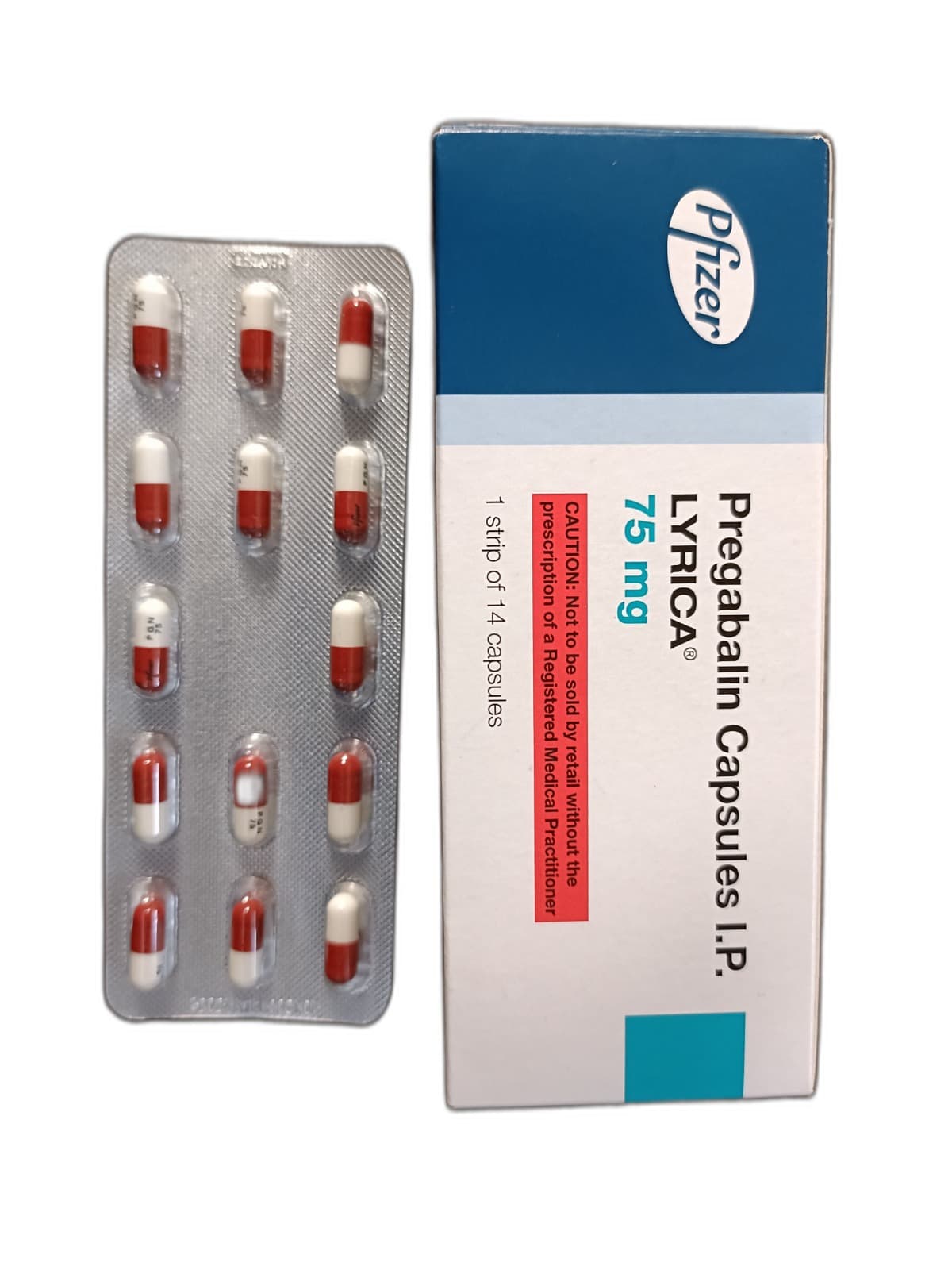
Buy Lyrica 75mg capsule usUSD

Buy Lyrica 75mg capsule us

PfizerStrength on request

Buy Lyrica 75mg capsules in the United States for effective management of neuropathic pain and fibromyalgia. Trusted pharmaceutical quality and reliable delivery.
Details
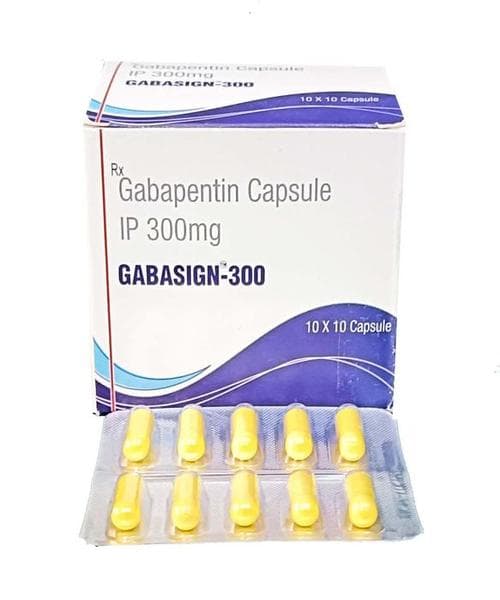
Buy Online Gabapentin 300mg Tablet United StateUSD

Buy Online Gabapentin 300mg Tablet United State

SignatureStrength on request

Buy Gabapentin 300mg tablets online in the United States for effective management of neuropathic pain, epilepsy, and seizures. Trusted and reliable medication sourced for US buyers.
Details
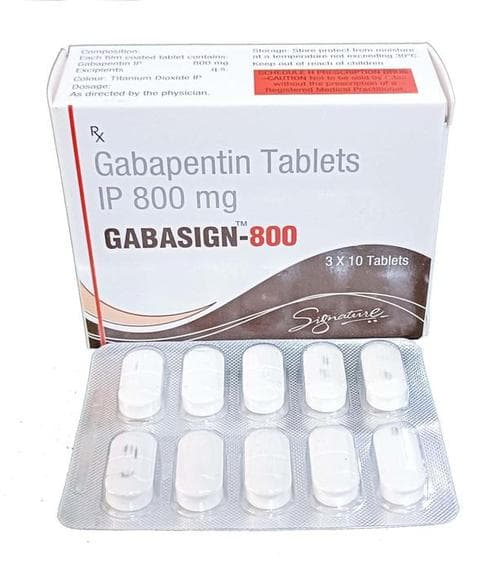
Buy Online Gabapentin 800mg TabletUSD

Buy Online Gabapentin 800mg Tablet

SignatureStrength on request

Order Gabapentin 800mg tablets online in the United States for effective treatment of neuropathic pain, seizures, and related conditions. Trusted pharmaceutical quality and professional guidance.
Details
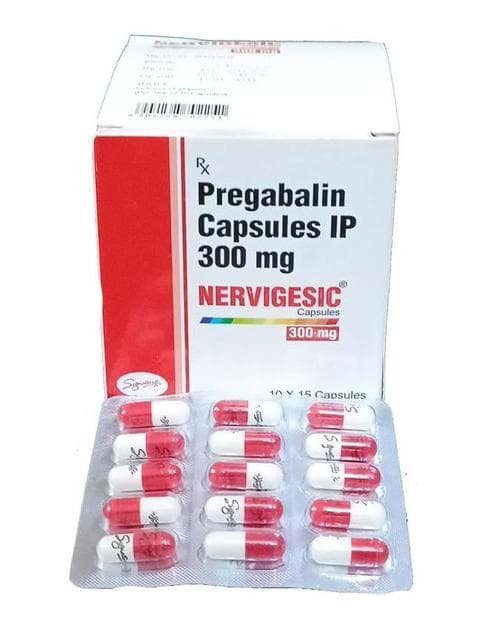
Buy Online Pregabalin 300mg usaUSD

Buy Online Pregabalin 300mg usa

SignatureStrength on request

Buy Pregabalin 300mg online in the USA for effective management of nerve pain, epilepsy, and anxiety. Trusted pharmaceutical quality with discreet delivery.
Details
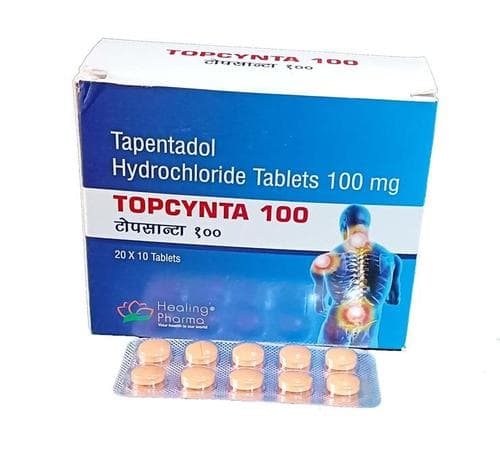
Buy Online Tapentadol 100mgUSD

Buy Online Tapentadol 100mg

Healing PharmaStrength on request

Tapentadol 100mg is a prescription-strength pain relief medication available for purchase online in the United States. Designed to manage moderate to severe pain, it offers effective relief with a dual-action mechanism.

Details
Buy Pregabalin 300mgUSD

Buy Pregabalin 300mg

Healing PharmaStrength on request

Buy Pregabalin 300mg online in the United States to manage neuropathic pain, epilepsy, and anxiety disorders. Trusted medication with proven efficacy and safety.
Details
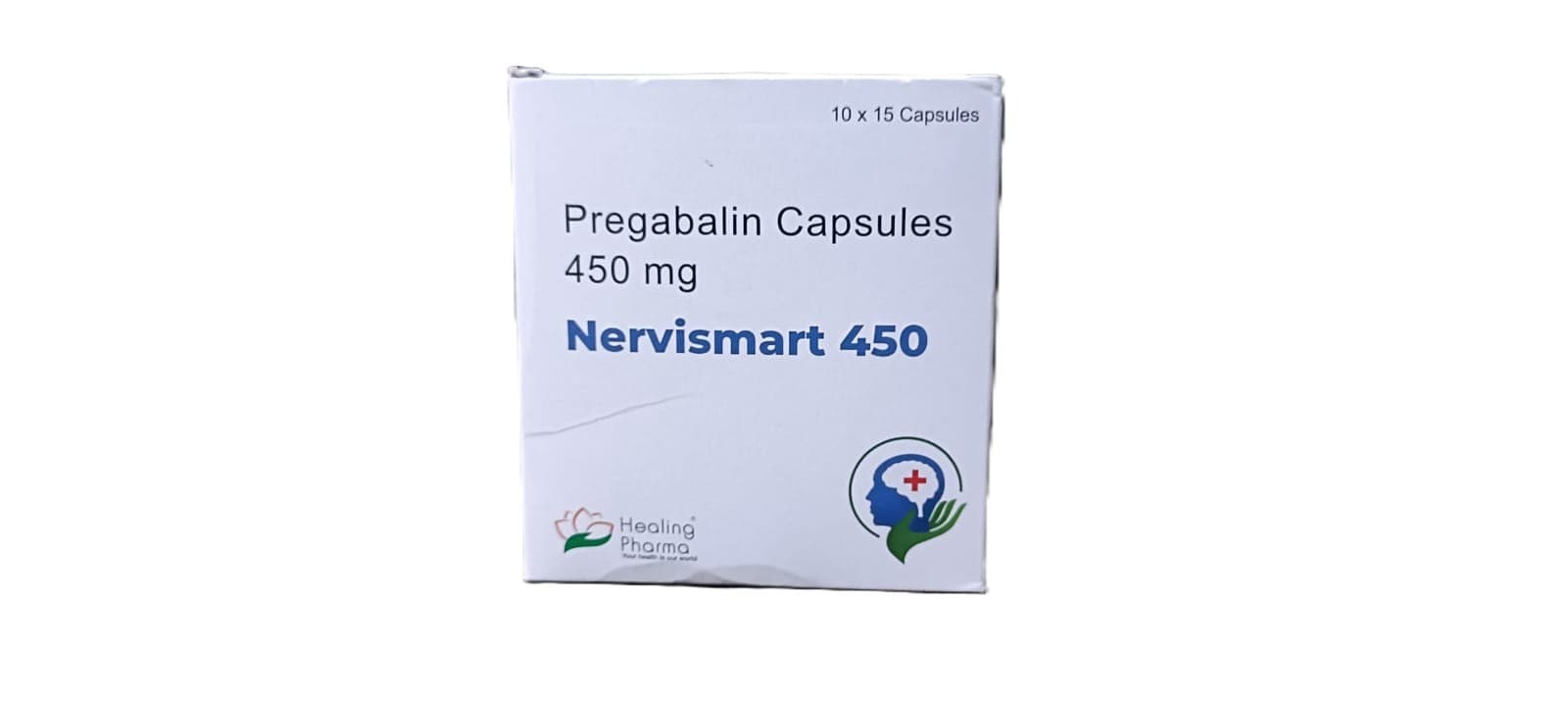
Buy Pregabalin 450mg Capsule usaUSD

Buy Pregabalin 450mg Capsule usa

Healing PharmaStrength on request

Buy Pregabalin 450mg capsules in the USA for effective treatment of neuropathic pain, epilepsy, and generalized anxiety disorder. Trusted medication with proven results.
Details
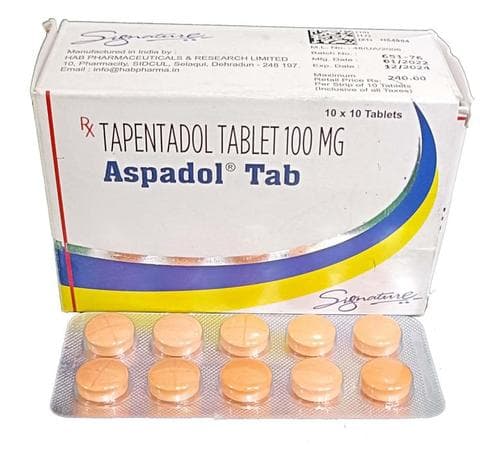
Buy Tapentadol 100mg TabletUSD

Buy Tapentadol 100mg Tablet

SignatureStrength on request

Buy Tapentadol 100mg tablets online in the United States. Tapentadol is a potent analgesic used for managing moderate to severe pain with dual-action mechanism.

Details
Buy Tapentadol 50mg Tablet OnlineUSD

Buy Tapentadol 50mg Tablet Online

SignatureStrength on request

Tapentadol 50mg tablet is a potent analgesic used for managing moderate to severe pain. Buy Tapentadol online in the United States with trusted pharmaceutical quality and reliable delivery.

Details

About Pain Killer Tablet USA

Pain killer tablets are essential pharmaceutical products widely used across the United States for managing acute and chronic pain conditions. These medications help alleviate discomfort caused by injuries, surgeries, arthritis, migraines, and other medical conditions. Available in various formulations, pain killer tablets in the USA include non-steroidal anti-inflammatory drugs (NSAIDs), acetaminophen, opioids, and combination therapies. Pharmaceutical buyers in the United States prioritize quality, safety, and regulatory compliance when selecting pain management solutions. Our comprehensive selection ensures access to FDA-approved, clinically tested pain killers that meet stringent safety standards. These tablets provide targeted relief by addressing the underlying causes of pain through different mechanisms such as inflammation reduction and nerve signal modulation. With increasing demand for effective pain treatments, pharmaceutical suppliers in the USA offer a diverse range of products designed for rapid onset, extended release, and minimal side effects. Buyers can rely on trusted manufacturers offering competitive pricing and reliable supply chains to support healthcare providers and pharmacies nationwide. Whether for retail distribution or hospital use, pain killer tablets remain indispensable in improving patient quality of life by enabling better pain control and faster recovery. This category offers detailed insights into medical uses, benefits, available medicines, dosage guidelines, side effects, and safety precautions to assist pharmaceutical buyers in making informed decisions.

Clinical Overview

Pain Killer Tablet USA information

What is

Pain killer tablets in the USA represent a critical segment of pharmaceutical products designed to relieve pain ranging from mild headaches to severe chronic conditions. This category encompasses a variety of analgesic drugs including NSAIDs, acetaminophen, and opioids, each formulated to address specific pain pathways. Pharmaceutical buyers across the United States seek these tablets for their proven efficacy, safety profile, and regulatory compliance. The market is driven by increasing patient demand for effective pain management solutions that enhance quality of life and functional ability. Our curated selection features FDA-approved medications from reputable manufacturers ensuring consistent product quality. Pain killer tablets are essential in clinical settings, retail pharmacies, and home care environments, making them a vital component of healthcare provisioning. This category supports buyers in sourcing reliable products that meet stringent healthcare standards and deliver targeted pain relief.

Medical Uses

Pain killer tablets are medically utilized to manage and alleviate various types of pain conditions including acute pain from injuries or surgeries, chronic pain related to arthritis, neuropathic pain, and headaches such as migraines. NSAIDs reduce inflammation and provide relief in musculoskeletal disorders, while acetaminophen effectively manages mild to moderate pain without anti-inflammatory effects. Opioid analgesics are reserved for moderate to severe pain that does not respond to other medications and are commonly prescribed post-surgically or in cancer-related pain. These tablets improve patient comfort, mobility, and overall quality of life by controlling pain intensity and preventing pain escalation. Proper medical use involves selecting the appropriate class of pain killer based on the patient's diagnosis, pain severity, and underlying health conditions. Pain killer tablets also serve as a supportive therapy in palliative care to manage chronic discomfort.

How to Take

Dosage of pain killer tablets varies significantly depending on the medication type, patient characteristics, and severity of pain. NSAIDs like ibuprofen are typically dosed at 200-400 mg every 4 to 6 hours, not exceeding 1200 mg daily OTC or 3200 mg under medical supervision. Acetaminophen doses commonly range from 325 to 650 mg every 4 to 6 hours, with a maximum of 3000-4000 mg per day to prevent hepatotoxicity. Opioids require individualized dosing based on pain intensity and patient tolerance, often starting at the lowest effective dose and titrating carefully to avoid dependency. Extended-release formulations follow specific schedules to maintain steadier plasma levels. Patients must adhere strictly to prescribed dosages and avoid combining multiple painkillers containing similar ingredients to reduce overdose risk. Healthcare providers provide detailed guidance on timing, frequency, and maximum daily limits to ensure safe and effective pain control.

How it Works

Pain killer tablets operate through different mechanisms depending on their pharmacological class. NSAIDs inhibit cyclooxygenase enzymes (COX-1 and COX-2), which reduces the production of prostaglandins responsible for inflammation, pain, and fever. This anti-inflammatory action effectively diminishes pain signals at the source. Acetaminophen primarily acts in the central nervous system by inhibiting specific brain pathways involved in pain perception and temperature regulation, though its exact mechanism remains partially understood. Opioids bind to opioid receptors in the brain, spinal cord, and other tissues, blocking pain signals and altering the emotional response to pain. This modulation of pain pathways results in decreased sensitivity and discomfort. The diverse mechanisms allow targeted management of different pain types and intensities. Understanding how these tablets work enables healthcare providers to prescribe the most suitable medication for each patient’s pain profile.

Benefits

The benefits of pain killer tablets include rapid and effective relief from various pain types, improved patient mobility, and enhanced quality of life. They enable patients to perform daily activities with less discomfort and reduce the psychological stress associated with chronic pain. NSAIDs offer anti-inflammatory benefits that address the root cause of pain in conditions such as arthritis, while acetaminophen provides a safer alternative for patients who cannot tolerate NSAIDs. Opioid painkillers, when used appropriately, provide potent analgesia for severe pain conditions. Additionally, pain killer tablets are convenient to administer, available in multiple dosages and formulations to suit individual patient needs. Their widespread availability and proven therapeutic efficacy make them indispensable in both acute and chronic pain management. Furthermore, advances in formulation technology have improved safety profiles and minimized side effects, enhancing patient adherence and outcomes.

Dosage

Dosage of pain killer tablets varies significantly depending on the medication type, patient characteristics, and severity of pain. NSAIDs like ibuprofen are typically dosed at 200-400 mg every 4 to 6 hours, not exceeding 1200 mg daily OTC or 3200 mg under medical supervision. Acetaminophen doses commonly range from 325 to 650 mg every 4 to 6 hours, with a maximum of 3000-4000 mg per day to prevent hepatotoxicity. Opioids require individualized dosing based on pain intensity and patient tolerance, often starting at the lowest effective dose and titrating carefully to avoid dependency. Extended-release formulations follow specific schedules to maintain steadier plasma levels. Patients must adhere strictly to prescribed dosages and avoid combining multiple painkillers containing similar ingredients to reduce overdose risk. Healthcare providers provide detailed guidance on timing, frequency, and maximum daily limits to ensure safe and effective pain control.

Conclusion

Pain killer tablets remain a cornerstone in effective pain management within the United States pharmaceutical market. Their diverse pharmacological classes provide tailored treatment options for a wide range of pain conditions, from mild discomfort to severe chronic illnesses. Ensuring access to high-quality, FDA-approved pain killers enables healthcare providers and pharmaceutical buyers to meet growing patient demands safely and reliably. Proper usage, dosage adherence, and awareness of side effects and drug interactions are critical to maximizing therapeutic benefits while minimizing risks. As pain management continues to evolve, the role of trusted pain killer tablets in improving patient outcomes and quality of life remains undeniable. Pharmaceutical buyers are encouraged to source products from reputable suppliers committed to quality, safety, and regulatory compliance to support optimal healthcare delivery nationwide.

Safety Profile

Safety and handling information

Side Effects

Pain killer tablets can cause a range of side effects depending on the medication class and patient sensitivity. NSAIDs may induce gastrointestinal issues such as ulcers, bleeding, nausea, and abdominal pain, as well as increase cardiovascular risk with prolonged use. Acetaminophen is generally well tolerated but can lead to severe liver damage if overdosed. Opioid analgesics carry risks of drowsiness, constipation, respiratory depression, tolerance, dependence, and potential for abuse. Allergic reactions such as rashes or swelling can occur with any painkiller. Long-term or inappropriate use may exacerbate these risks. Monitoring for adverse effects and reporting symptoms promptly is critical. Healthcare providers balance efficacy with safety by selecting appropriate medications and dosages tailored to individual patient profiles to minimize side effects.

Warnings

Pain killer tablets must be used with caution and under medical supervision to avoid serious health risks. NSAIDs should be avoided or used carefully in patients with cardiovascular disease, gastrointestinal ulcers, or kidney impairment. Acetaminophen overdose can cause irreversible liver damage and must never exceed recommended doses. Opioids require strict adherence to prescribed regimens due to risks of addiction, overdose, and respiratory depression. Combining painkillers with alcohol or other sedatives can enhance adverse effects. Pregnant or breastfeeding women should consult healthcare providers before use. Patients must disclose their full medical history and current medications to prevent harmful interactions. Warnings emphasize the importance of following dosage instructions, recognizing early signs of complications, and seeking immediate medical help if severe side effects occur.

Drug Interactions

Pain killer tablets may interact with various medications, impacting their effectiveness or increasing adverse effects. NSAIDs can reduce the efficacy of antihypertensives and increase bleeding risk when combined with anticoagulants like warfarin. Acetaminophen may interact with certain anticonvulsants and alcohol, heightening liver toxicity risk. Opioids may potentiate central nervous system depression when used with benzodiazepines, sedatives, or alcohol, increasing overdose risk. Drug interactions necessitate thorough patient medication reviews and monitoring. Healthcare providers adjust painkiller selection and dosing accordingly to prevent dangerous interactions, ensuring patient safety. Patients are advised to inform their doctors of all current medications, supplements, and herbal products before starting painkiller therapy.

Storage

Pain killer tablets should be stored in a cool, dry place away from direct sunlight and moisture to maintain their potency and shelf life. Ideal storage temperatures typically range between 20°C to 25°C (68°F to 77°F), though specific storage instructions may vary by product. Tablets must be kept out of reach of children and pets to prevent accidental ingestion. Original packaging should be used to protect tablets from contamination and environmental exposure. Expired or unused medications should be disposed of according to local regulations to avoid environmental hazards. Proper storage conditions are essential to preserve drug stability, efficacy, and safety, ensuring that pain management remains effective when the medication is administered.

Safety Advice

When using pain killer tablets, it is essential to follow medical advice and read all labeling carefully. Patients should avoid self-medicating beyond recommended doses or durations to reduce risks of toxicity and side effects. Do not combine multiple painkillers without professional guidance. Report any unusual symptoms such as rash, swelling, difficulty breathing, or severe gastrointestinal discomfort immediately. Inform healthcare providers about all existing health conditions and medications to prevent harmful interactions. Pregnant or breastfeeding women should seek medical consultation before use. Store medications securely to prevent misuse or accidental ingestion. Regular follow-up with healthcare professionals is advised for long-term pain management to adjust dosages and monitor for adverse effects. Adhering to safety advice ensures effective pain relief while minimizing potential health risks.

More Options

Popular Pain Killer Tablet USA

Buy Lyrica 75mg capsule usUSD

Buy Lyrica 75mg capsule us

PfizerStrength on request

Buy Lyrica 75mg capsules in the United States for effective management of neuropathic pain and fibromyalgia. Trusted pharmaceutical quality and reliable delivery.

Details
Buy Online Gabapentin 300mg Tablet United StateUSD

Buy Online Gabapentin 300mg Tablet United State

SignatureStrength on request

Buy Gabapentin 300mg tablets online in the United States for effective management of neuropathic pain, epilepsy, and seizures. Trusted and reliable medication sourced for US buyers.

Details
Buy Online Gabapentin 800mg TabletUSD

Buy Online Gabapentin 800mg Tablet

SignatureStrength on request

Order Gabapentin 800mg tablets online in the United States for effective treatment of neuropathic pain, seizures, and related conditions. Trusted pharmaceutical quality and professional guidance.

Details
Buy Online Pregabalin 300mg usaUSD

Buy Online Pregabalin 300mg usa

SignatureStrength on request

Buy Pregabalin 300mg online in the USA for effective management of nerve pain, epilepsy, and anxiety. Trusted pharmaceutical quality with discreet delivery.

Details

FAQ

Pain Killer Tablet USA FAQs

What are the most common types of pain killer tablets available in the USA?+

The most common types of pain killer tablets in the USA include non-steroidal anti-inflammatory drugs (NSAIDs) such as ibuprofen and naproxen, acetaminophen (paracetamol), and opioid analgesics like oxycodone and hydrocodone. Each type targets pain differently and is prescribed based on the severity and type of pain.

How should pain killer tablets be dosed for safe and effective use?+

Dosage of pain killer tablets depends on the specific medication, patient age, weight, and the intensity of pain. It is crucial to follow healthcare provider instructions and avoid exceeding recommended doses to prevent adverse effects such as liver damage or addiction, especially with opioids.

Are there any side effects associated with pain killer tablets commonly used in the USA?+

Yes, pain killer tablets can have side effects including gastrointestinal issues, dizziness, allergic reactions, and in the case of opioids, risks of dependency and respiratory depression. Monitoring and consulting a healthcare professional is essential when using these medications.

Can pain killer tablets interact with other medications or health conditions?+

Pain killer tablets may interact with other drugs such as blood thinners, antidepressants, and certain heart medications. Additionally, patients with liver, kidney, or cardiovascular conditions should use painkillers cautiously under medical supervision to avoid complications.

Where can pharmaceutical buyers in the USA source high-quality pain killer tablets?+

Pharmaceutical buyers in the USA can source high-quality pain killer tablets from licensed manufacturers and distributors who comply with FDA regulations. Trusted suppliers provide products with verified safety, efficacy, and batch traceability to ensure quality assurance.