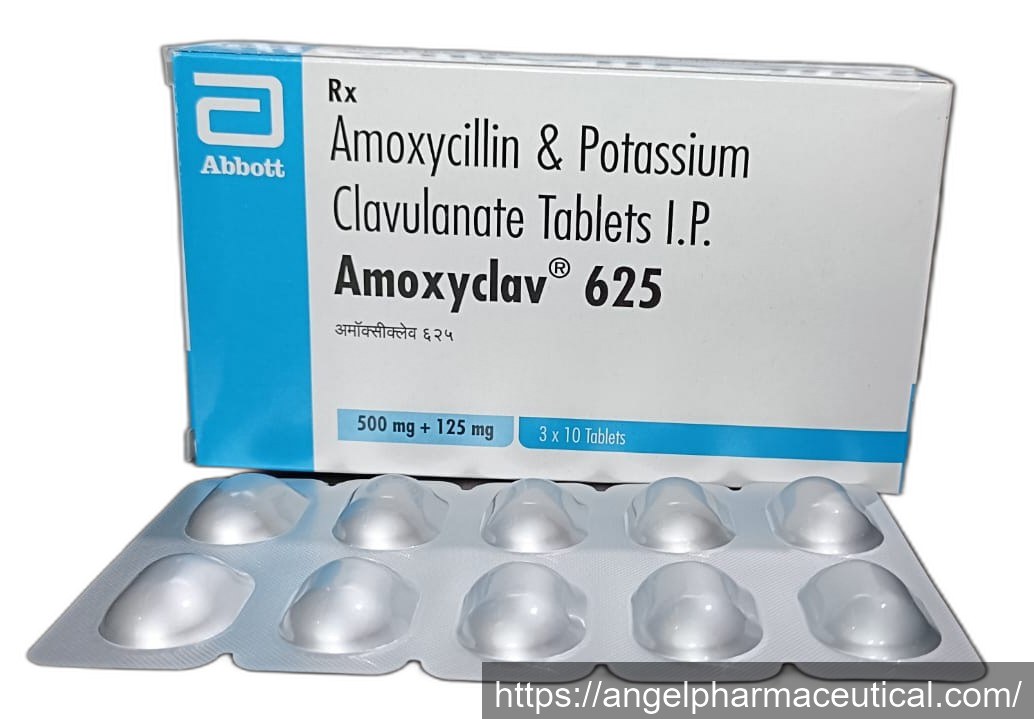
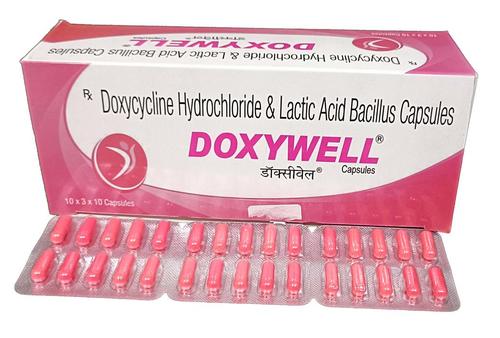
The category 'Buy Anti Biotic Medicine Australia' caters specifically to pharmaceutical buyers seeking reliable and high-quality antibiotic medicines within the Australian market. Antibiotics are essential drugs used extensively to treat bacterial infections, and ensuring access to authentic products is vital for public health. This category includes a broad spectrum of antibiotics approved for use in Australia, compliant with local regulatory standards set by the Therapeutic Goods Administration (TGA). The platform provides pharmaceutical distributors, healthcare institutions, and pharmacies with a trusted source to procure antibiotics that meet stringent quality and safety benchmarks. Buyers benefit from a curated selection of oral, injectable, and topical antibiotic formulations designed to address various infectious diseases prevalent in the region. By emphasizing compliance, efficacy, and supply chain integrity, this category supports the effective treatment of bacterial infections and helps combat the growing challenge of antibiotic resistance in Australia. It serves as a critical resource for professionals dedicated to delivering optimal patient care through appropriate antibiotic therapy.
Antibiotic medicines are primarily used to treat infections caused by bacteria, targeting a wide array of medical conditions. In the Australian healthcare context, antibiotics are prescribed for respiratory tract infections such as bronchitis and pneumonia, urinary tract infections (UTIs), skin and soft tissue infections, and sexually transmitted infections. They are also critical in preventing infections during surgical procedures and for patients with compromised immune systems. Different classes of antibiotics exhibit varying spectrums of activity, with some targeting gram-positive bacteria, others gram-negative, and some possessing broad-spectrum efficacy. Medical professionals carefully select antibiotics based on the infection site, severity, and known bacterial resistance patterns to optimize treatment outcomes. Additionally, antibiotics play an essential role in managing chronic infections and preventing the spread of contagious bacterial diseases. Ensuring the correct use of antibiotics helps reduce the risk of complications, hospitalizations, and the development of antibiotic-resistant bacteria, which is a significant public health concern globally and within Australia.
Dosage of antibiotic medicines varies significantly based on the type of antibiotic, patient age, weight, renal and hepatic function, and infection severity. Generally, adults receive standard doses prescribed by healthcare professionals, while pediatric dosages are carefully calculated based on body weight and age. It is critical to follow the prescribed frequency and duration to ensure complete eradication of the bacterial infection and prevent resistance development. For example, amoxicillin may be prescribed three times daily for 7-10 days, whereas azithromycin often follows a shorter regimen. Injectable antibiotics require administration under medical supervision, while oral formulations offer more convenience for outpatient treatment. Patients must avoid skipping doses or stopping treatment prematurely, even if symptoms improve, to ensure infection resolution. Healthcare providers in Australia tailor dosages considering patient-specific factors and current clinical guidelines, emphasizing adherence and monitoring for efficacy and safety throughout the treatment course.
Antibiotics work by targeting essential processes within bacterial cells, leading to their destruction or inhibition of growth. Different classes of antibiotics utilize various mechanisms to achieve this effect. For example, penicillins and cephalosporins disrupt bacterial cell wall synthesis, causing the cells to rupture and die. Macrolides and tetracyclines interfere with bacterial protein synthesis, preventing bacteria from producing vital proteins needed for survival. Fluoroquinolones inhibit bacterial DNA replication, effectively halting bacterial reproduction. By specifically targeting bacterial cells, antibiotics spare human cells, reducing toxicity. However, the effectiveness of antibiotics depends on appropriate selection, correct dosing, and completion of the prescribed treatment course. Improper use can result in suboptimal bacterial eradication, leading to resistance. Understanding how antibiotics work enables healthcare professionals in Australia to prescribe them judiciously, ensuring maximum therapeutic benefits while minimizing risks associated with resistance and adverse effects.
The benefits of using antibiotic medicines in Australia are extensive and critical to modern healthcare. Antibiotics effectively eliminate or inhibit the growth of harmful bacteria, thereby resolving infections and preventing their progression or spread. This leads to faster recovery times, reduced severity of illness, and decreased risk of complications such as sepsis. For healthcare providers and patients, antibiotics facilitate safer surgical interventions by preventing postoperative infections. They also protect vulnerable populations, including the elderly, children, and immunocompromised individuals, from potentially life-threatening bacterial diseases. Access to high-quality antibiotics ensures that treatments are both safe and efficacious, minimizing the chance of adverse effects or treatment failure. Moreover, the responsible use of antibiotics helps combat antimicrobial resistance, preserving the effectiveness of existing treatments. For pharmaceutical buyers in Australia, procuring reliable antibiotics supports public health initiatives and contributes to the overall improvement of healthcare outcomes across the country.
Dosage of antibiotic medicines varies significantly based on the type of antibiotic, patient age, weight, renal and hepatic function, and infection severity. Generally, adults receive standard doses prescribed by healthcare professionals, while pediatric dosages are carefully calculated based on body weight and age. It is critical to follow the prescribed frequency and duration to ensure complete eradication of the bacterial infection and prevent resistance development. For example, amoxicillin may be prescribed three times daily for 7-10 days, whereas azithromycin often follows a shorter regimen. Injectable antibiotics require administration under medical supervision, while oral formulations offer more convenience for outpatient treatment. Patients must avoid skipping doses or stopping treatment prematurely, even if symptoms improve, to ensure infection resolution. Healthcare providers in Australia tailor dosages considering patient-specific factors and current clinical guidelines, emphasizing adherence and monitoring for efficacy and safety throughout the treatment course.
Buying antibiotic medicines in Australia requires careful consideration of quality, safety, and regulatory compliance. Antibiotics are vital tools in managing bacterial infections and improving patient outcomes, but their effectiveness depends on appropriate selection, dosing, and responsible use. Australian pharmaceutical buyers benefit from access to a wide range of approved antibiotics that meet stringent Therapeutic Goods Administration (TGA) standards, ensuring therapeutic reliability. By sourcing antibiotics from trusted suppliers, healthcare providers can confidently deliver effective treatments while minimizing risks related to adverse effects and antimicrobial resistance. Education on proper antibiotic use, storage, and safety is essential for both healthcare professionals and patients to preserve the efficacy of these medicines. Ultimately, responsible procurement and use of antibiotics in Australia contribute significantly to public health, supporting the fight against infectious diseases and safeguarding the community’s wellbeing.