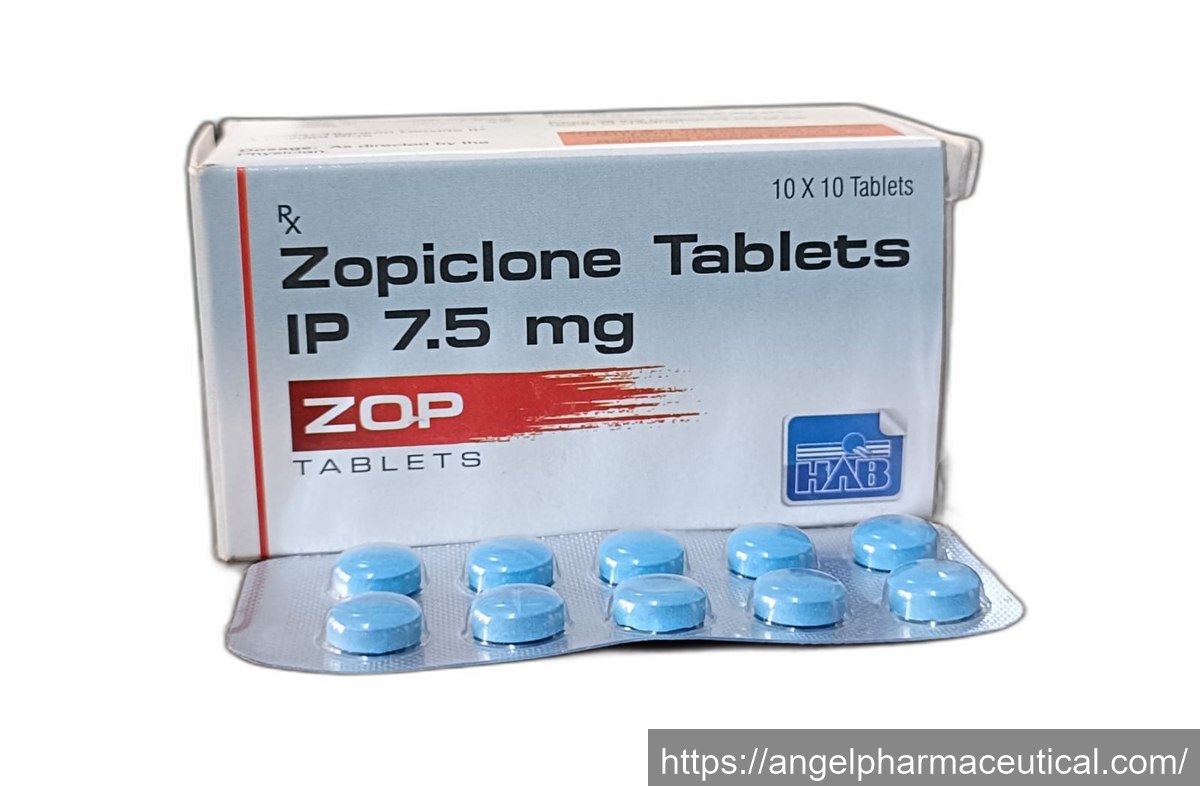
The Anti Depressant Tablet category for Australia serves as a vital segment within the pharmaceutical industry, focusing on medications that alleviate depression and mood-related disorders. Depression is a prevalent mental health condition that affects millions, making effective treatment options critical to improving patient quality of life. This category encompasses various classes of anti depressants, including SSRIs, SNRIs, tricyclic antidepressants, and others, each tailored to specific patient needs. Australian pharmaceutical buyers benefit from access to products that comply with local regulatory standards and offer proven clinical efficacy. The category supports mental health initiatives by providing trusted medication options that address the biochemical imbalances underlying depression. With increasing awareness and diagnosis rates, demand for these medications continues to rise, positioning anti depressant tablets as indispensable in both outpatient and inpatient care settings across Australia. Pharmaceutical buyers must consider product quality, safety profiles, and supplier reliability when selecting anti depressants to meet the healthcare demands effectively and ethically.
Anti depressant tablets are primarily used to treat major depressive disorder, anxiety disorders, obsessive-compulsive disorder (OCD), post-traumatic stress disorder (PTSD), and certain chronic pain conditions. They function by modulating neurotransmitter activity in the brain, particularly serotonin, norepinephrine, and dopamine, which influence mood, emotion, and pain perception. In clinical practice, anti depressants are prescribed to restore chemical balance, reduce symptoms such as sadness, fatigue, and loss of interest, and improve overall mental well-being. Additionally, these medications can help prevent relapse in patients with recurrent depression. Some anti depressants also serve off-label purposes, including treatment for insomnia, migraine prophylaxis, and neuropathic pain, highlighting their versatile therapeutic roles. Australian healthcare providers rely on these medications as part of integrated treatment plans combining psychotherapy and lifestyle modifications to optimize patient outcomes.
Dosage of anti depressant tablets varies depending on the specific medication, patient age, severity of symptoms, and individual response to treatment. Initiation typically begins with a low dose to minimize side effects, followed by gradual titration to an effective therapeutic dose. For example, SSRIs may start at 10 to 20 mg daily, with adjustments made every few weeks based on clinical response. Treatment duration usually extends from several months to a year or more to prevent relapse, with periodic evaluation for dose tapering or discontinuation. Patients must adhere strictly to prescribed dosing schedules and avoid abrupt cessation, which can cause withdrawal symptoms. Healthcare providers provide detailed instructions regarding administration time, possible dose adjustments, and monitoring requirements. Pharmaceutical buyers should ensure that the supplied medication comes with clear dosage guidelines and patient information leaflets to support safe and effective use.
Anti depressant tablets function by targeting neurotransmitters in the brain that regulate mood and emotional responses. For instance, Selective Serotonin Reuptake Inhibitors (SSRIs) inhibit the reabsorption of serotonin into neurons, increasing its availability in the synaptic cleft, thereby enhancing mood and anxiety regulation. Serotonin-Norepinephrine Reuptake Inhibitors (SNRIs) similarly increase both serotonin and norepinephrine levels, providing broader symptom relief. Tricyclic antidepressants block the reuptake of neurotransmitters and have additional effects on other receptor systems. By altering these chemical pathways, anti depressants help correct the neurochemical imbalances that contribute to depression. The delayed onset of therapeutic effects reflects the time needed for neuroadaptive changes in receptor sensitivity and neuronal growth. Understanding these mechanisms allows pharmaceutical buyers and healthcare providers to select appropriate medications based on patient response and side effect profiles.
The benefits of anti depressant tablets extend beyond symptom relief to include improved emotional stability, enhanced daily functioning, and reduced risk of depression relapse. These medications contribute to restoring chemical imbalances in the brain, which helps patients regain motivation, focus, and energy. By alleviating depressive symptoms, anti depressants facilitate better social interactions and occupational performance, significantly enhancing quality of life. Moreover, early and appropriate use of these tablets can prevent the progression of depression and associated complications, such as suicidal ideation. For pharmaceutical buyers in Australia, offering a range of effective anti depressant options ensures healthcare providers can tailor treatments to individual patient profiles, promoting personalized medicine. Furthermore, the availability of well-tolerated and safe anti depressants supports adherence to therapy, which is crucial for long-term mental health management.
Dosage of anti depressant tablets varies depending on the specific medication, patient age, severity of symptoms, and individual response to treatment. Initiation typically begins with a low dose to minimize side effects, followed by gradual titration to an effective therapeutic dose. For example, SSRIs may start at 10 to 20 mg daily, with adjustments made every few weeks based on clinical response. Treatment duration usually extends from several months to a year or more to prevent relapse, with periodic evaluation for dose tapering or discontinuation. Patients must adhere strictly to prescribed dosing schedules and avoid abrupt cessation, which can cause withdrawal symptoms. Healthcare providers provide detailed instructions regarding administration time, possible dose adjustments, and monitoring requirements. Pharmaceutical buyers should ensure that the supplied medication comes with clear dosage guidelines and patient information leaflets to support safe and effective use.
Anti depressant tablets play a critical role in managing depression and related mental health disorders within the Australian pharmaceutical landscape. Their effectiveness in restoring neurotransmitter balance offers significant improvements in patient quality of life and functional capacity. Pharmaceutical buyers must prioritize sourcing high-quality, TGA-approved medications that meet rigorous safety and efficacy standards. Comprehensive understanding of medical uses, benefits, dosage regimens, side effects, and drug interactions is essential for informed procurement and support of healthcare providers. Additionally, patient safety through proper warnings, storage, and education remains paramount. As mental health awareness continues to rise, the demand for reliable anti depressant tablets will grow, underscoring the importance of sustained supply chain integrity and professional pharmaceutical services to meet Australia’s healthcare needs.