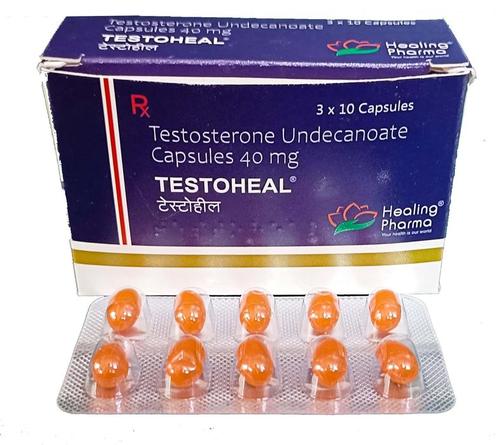
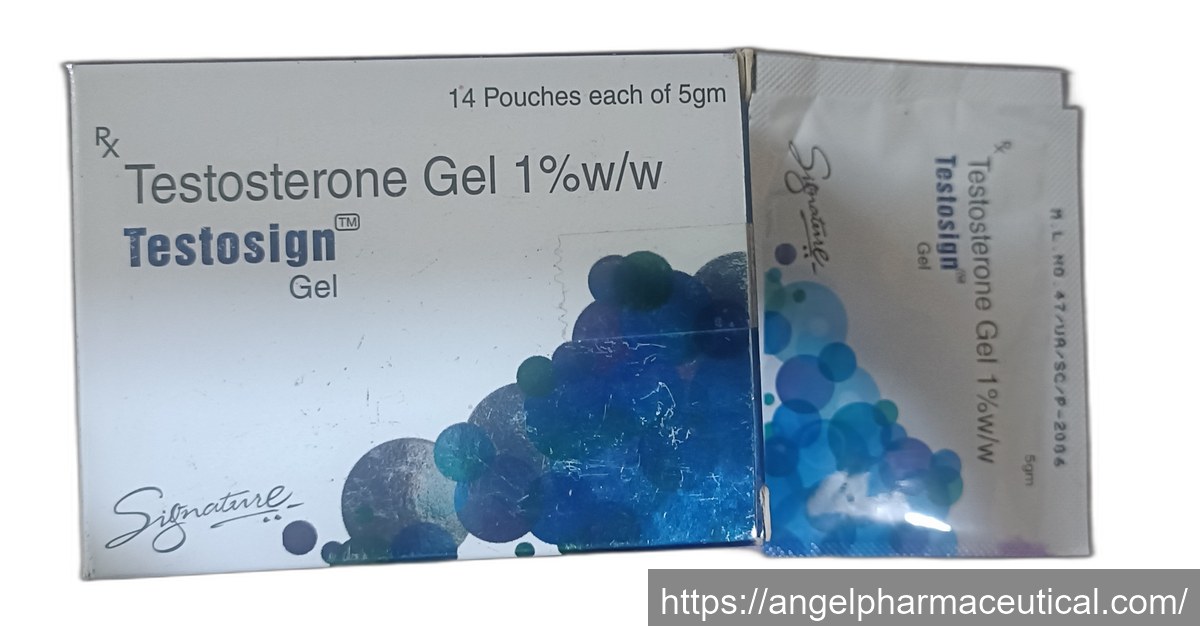
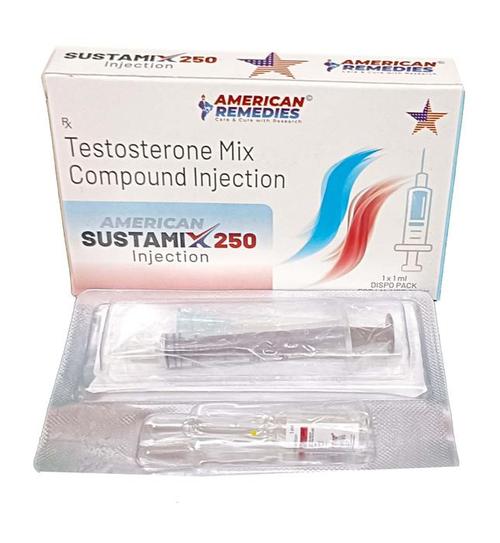
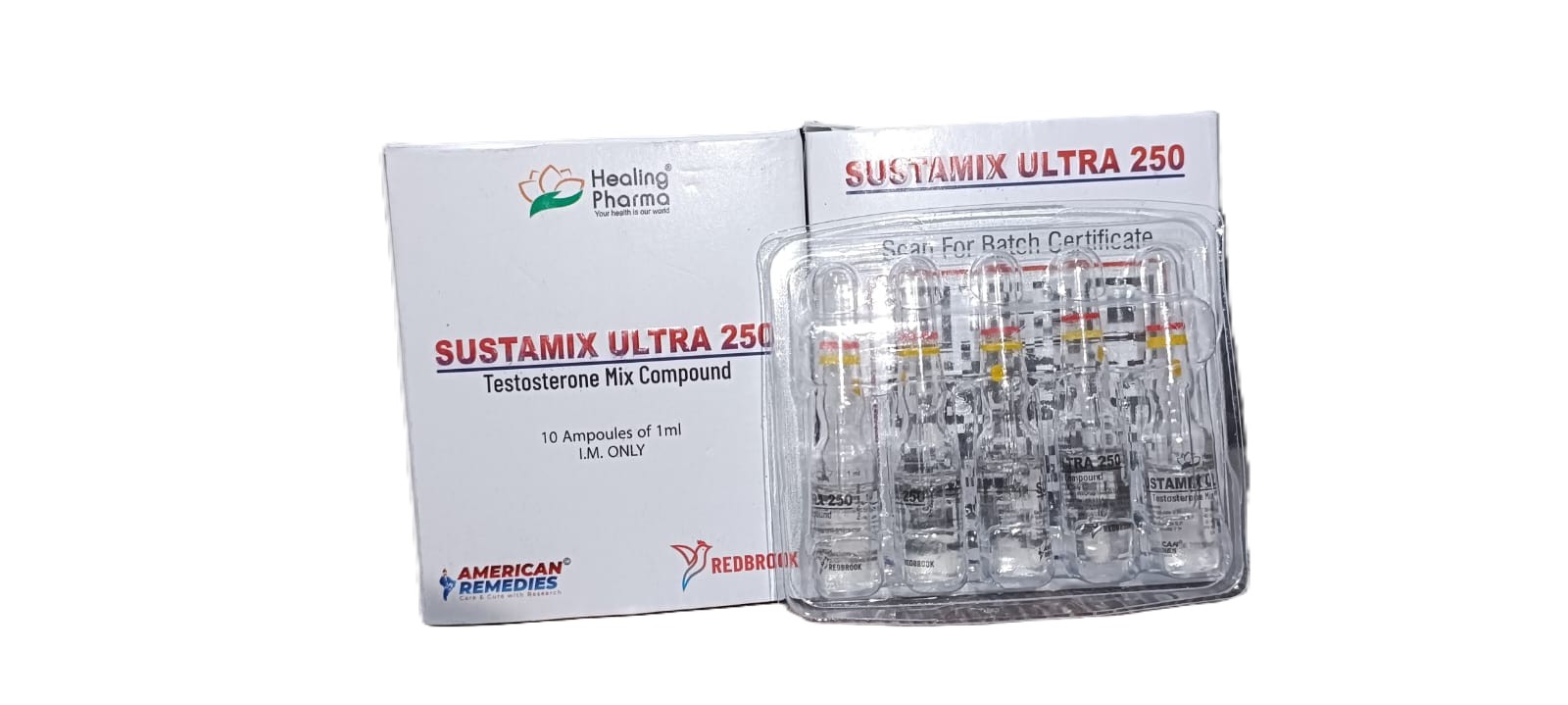
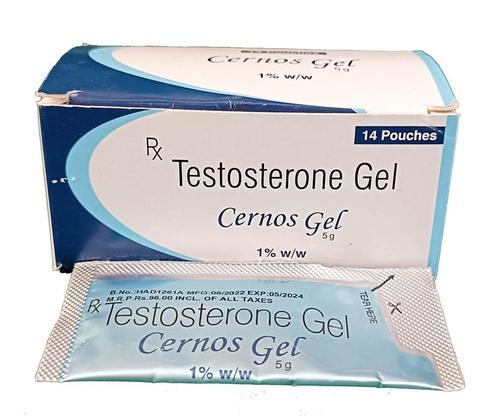
Testosterone products available in Australia serve as essential pharmaceutical solutions for managing testosterone deficiency and related health conditions. Testosterone is a vital androgen hormone predominantly responsible for male reproductive development and secondary sexual characteristics. In clinical practice, testosterone replacement therapy (TRT) is increasingly utilized to address symptoms caused by low testosterone levels, including fatigue, reduced muscle strength, depression, and sexual dysfunction. The Australian pharmaceutical market offers a variety of testosterone formulations such as injections, topical gels, patches, and oral preparations, each tailored to different patient needs and preferences. Pharmaceutical buyers in Australia benefit from sourcing testosterone products that comply with strict quality standards and regulatory requirements, ensuring safe and effective patient care. Our collection includes products from trusted manufacturers known for their commitment to pharmaceutical excellence and innovation. With a rising demand for hormone replacement therapies in Australia, having access to reliable testosterone medications is crucial for healthcare providers aiming to improve patient outcomes. The category emphasizes quality, safety, and accessibility, supporting a broad spectrum of therapeutic applications.
Testosterone is medically prescribed to treat various conditions associated with low testosterone levels, medically termed hypogonadism. This condition can result from congenital disorders, injury to the testes, or age-related hormonal decline. Testosterone therapy aims to restore hormone balance, improve physical and psychological symptoms, and enhance overall wellbeing. Beyond hypogonadism, testosterone is utilized in the management of delayed puberty in males, certain types of breast cancer in women, and muscle wasting diseases such as HIV/AIDS. It also plays a role in transgender hormone therapy for female-to-male transition. Testosterone replacement helps increase muscle mass, bone density, red blood cell production, and sexual function. Proper medical evaluation is necessary to diagnose testosterone deficiency accurately and determine appropriate treatment regimens. Clinical monitoring during therapy ensures effectiveness while minimizing risks. The availability of multiple testosterone formulations allows personalized treatment plans that accommodate patient-specific factors including age, health status, and lifestyle. This versatility makes testosterone an indispensable tool in modern hormone therapy practices within Australia and globally.
Testosterone dosage varies depending on the formulation, patient age, clinical condition, and treatment goals. Injectable testosterone esters are typically administered intramuscularly every 1 to 4 weeks, with doses ranging from 50 mg to 400 mg per injection. Topical gels are usually applied daily in doses of 25 mg to 100 mg, allowing steady absorption through the skin. Transdermal patches deliver approximately 2.5 mg to 7.5 mg of testosterone daily. Oral testosterone formulations require careful dosing due to variable absorption and potential liver effects, often prescribed at lower doses. Dosage adjustments are made based on serum testosterone measurements and symptom response. Initial therapy usually starts with a lower dose, gradually increased to achieve physiological testosterone levels. Regular monitoring of hematocrit, liver function, lipid profiles, and prostate health is critical during treatment. Patients should follow the prescribed regimen strictly to avoid fluctuations that can lead to side effects or suboptimal outcomes. Self-adjustment or unsupervised use of testosterone is discouraged due to potential health risks. Healthcare providers provide personalized dosage plans tailored to individual needs and health status.
Testosterone works by binding to androgen receptors located in various tissues throughout the body, including muscle, bone, brain, and reproductive organs. Upon binding, it activates gene expression that promotes protein synthesis, muscle growth, red blood cell production, and other anabolic processes. In the endocrine system, testosterone is produced primarily by the testes in males and, to a lesser extent, by the adrenal glands. It regulates the development of male secondary sexual characteristics such as facial hair, deepening of the voice, and increased muscle mass. When testosterone levels decline, either due to aging or medical conditions, hormone replacement therapy involves administering exogenous testosterone to restore physiological levels. Different formulations such as injections, gels, patches, or pellets deliver testosterone in ways that mimic natural secretion patterns. This supplementation helps re-establish hormonal balance, alleviating symptoms related to deficiency. The therapy is carefully monitored since testosterone influences multiple body systems, requiring dosage adjustments to optimize benefits and minimize side effects.
The benefits of testosterone therapy extend across physical, psychological, and metabolic domains. Physically, testosterone replacement can enhance muscle mass and strength, increase bone density, and improve fat distribution, helping to reduce the risk of osteoporosis and frailty. It also supports sexual health by improving libido, erectile function, and fertility in men with testosterone deficiency. Mentally, testosterone has been shown to positively affect mood, cognitive function, and energy levels, reducing symptoms of depression and fatigue. Metabolically, testosterone contributes to improved insulin sensitivity and cardiovascular health when administered under medical supervision. Testosterone therapy can significantly improve quality of life for individuals suffering from hormone deficiency by restoring vitality and physical function. It also aids in maintaining healthy cholesterol and lipid profiles, which are critical for long-term health. When used appropriately, testosterone replacement offers a holistic approach to managing the adverse effects of low testosterone, supporting overall health and wellbeing in affected patients.
Testosterone dosage varies depending on the formulation, patient age, clinical condition, and treatment goals. Injectable testosterone esters are typically administered intramuscularly every 1 to 4 weeks, with doses ranging from 50 mg to 400 mg per injection. Topical gels are usually applied daily in doses of 25 mg to 100 mg, allowing steady absorption through the skin. Transdermal patches deliver approximately 2.5 mg to 7.5 mg of testosterone daily. Oral testosterone formulations require careful dosing due to variable absorption and potential liver effects, often prescribed at lower doses. Dosage adjustments are made based on serum testosterone measurements and symptom response. Initial therapy usually starts with a lower dose, gradually increased to achieve physiological testosterone levels. Regular monitoring of hematocrit, liver function, lipid profiles, and prostate health is critical during treatment. Patients should follow the prescribed regimen strictly to avoid fluctuations that can lead to side effects or suboptimal outcomes. Self-adjustment or unsupervised use of testosterone is discouraged due to potential health risks. Healthcare providers provide personalized dosage plans tailored to individual needs and health status.
Testosterone products in Australia represent a vital component of hormone replacement therapy for individuals experiencing testosterone deficiency due to various medical conditions. The availability of diverse pharmaceutical formulations enables tailored treatments that address specific patient needs, improving physical, psychological, and metabolic health. While testosterone therapy offers substantial benefits, its use must be carefully managed under professional medical supervision to mitigate potential side effects and health risks. Pharmaceutical buyers in Australia can access high-quality, regulatory-compliant testosterone medicines from trusted sources, supporting healthcare providers in delivering optimal patient care. Proper storage, dosage adherence, and monitoring are critical elements in ensuring therapy success. By choosing reputable testosterone products and following safety guidelines, patients and healthcare professionals alike contribute to enhanced quality of life and wellbeing. Angel Pharmaceutical remains committed to supplying reliable testosterone solutions that meet the stringent standards required by the Australian healthcare market.