Skip to content
Angel PharmaceuticalWholesale · Export
🇦🇺 Australia catalogAngel Pharmaceutical

Pain Killer Tablet

Premium pain killer tablets available for Australian pharmaceutical buyers, designed to provide effective relief from various types of pain with trusted formulations and safety standards.

Select your market

Products
14
Categories
13
Browse Australia categories

Explore the catalog

Compare product details, manufacturers, and strengths

14 products

14 products found · Page 1 of 2

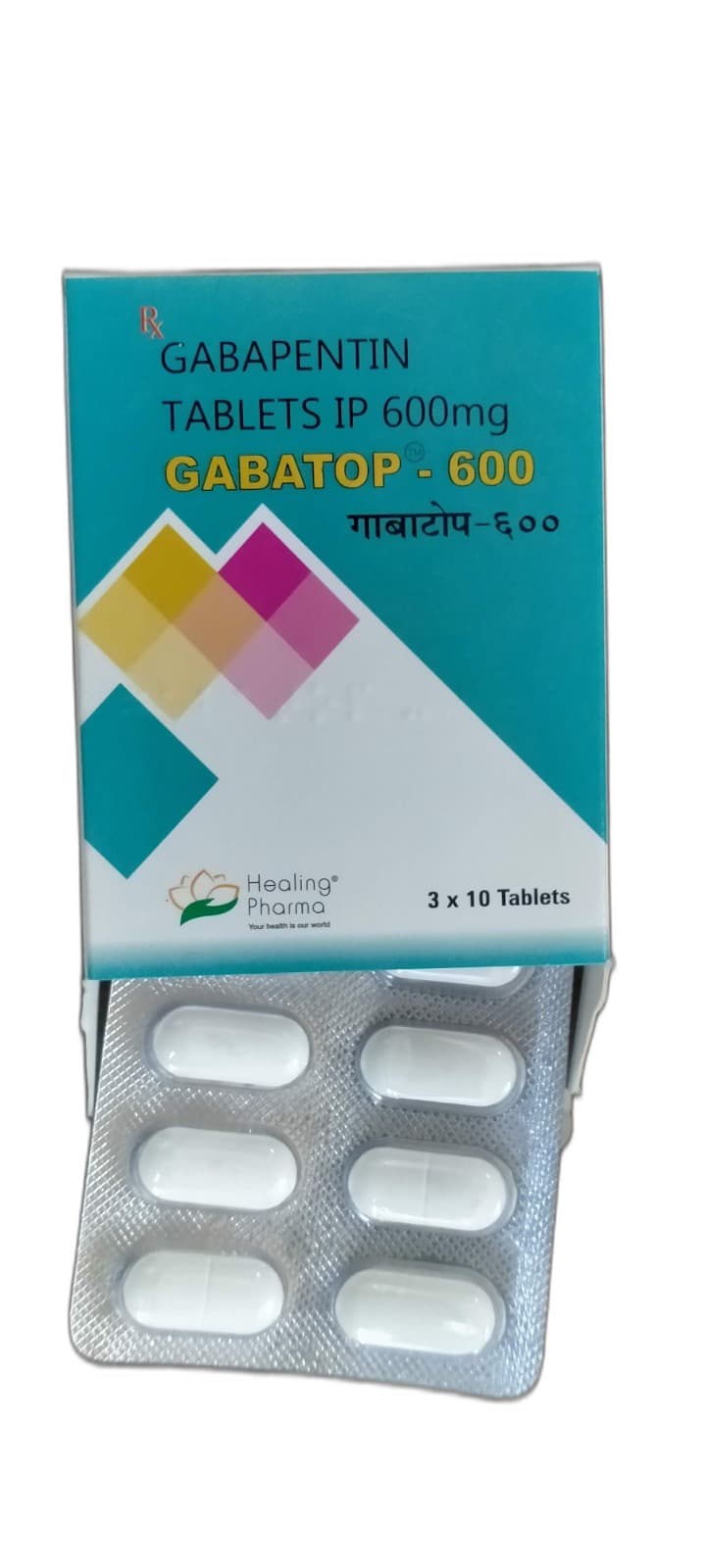
Buy Gabapentin 600mg AustraliaAUD

Buy Gabapentin 600mg Australia

Healing PharmaStrength on request

Buy Gabapentin 600mg in Australia for effective management of neuropathic pain, epilepsy, and nerve-related conditions. Trusted pharmaceutical quality and fast delivery.
Details
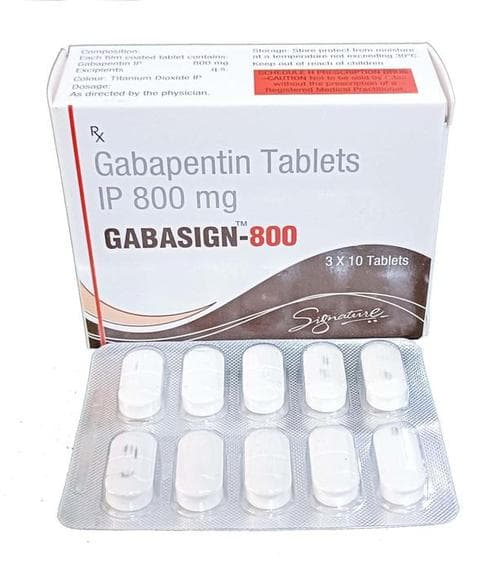
Buy Gabapentin 800mg Tablet AustraliaAUD

Buy Gabapentin 800mg Tablet Australia

SignatureStrength on request

Buy Gabapentin 800mg tablets in Australia to manage neuropathic pain, epilepsy, and other neurological disorders. Safe, effective, and professionally formulated medication.

Details
Buy Lyrica 75mg Capsule AustraliaAUD

Buy Lyrica 75mg Capsule Australia

Pfizer75mg

Buy genuine Lyrica 75mg capsules in Australia designed to alleviate neuropathic pain, epilepsy, and generalized anxiety disorder. Trusted medication with proven efficacy and safety.

Details
Buy Online Aspadol 100mg TabletAUD

Buy Online Aspadol 100mg Tablet

SignatureStrength on request

Buy Aspadol 100mg tablets online in Australia, a trusted medicine for moderate to severe pain relief. Discover its uses, benefits, dosage, and safety information.
Details
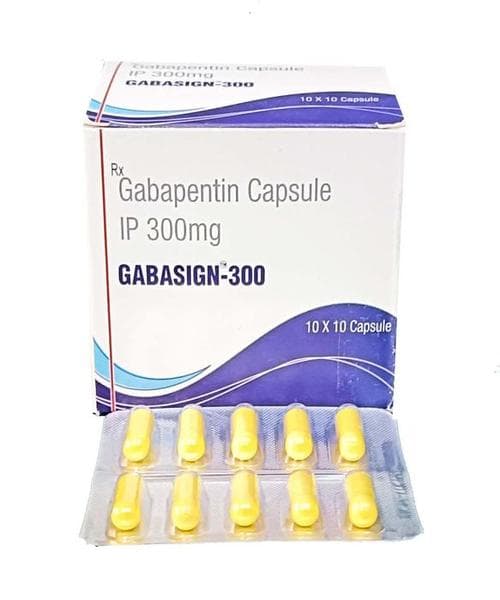
Buy Online Gabapentin 300mg Tablet AustraliaAUD

Buy Online Gabapentin 300mg Tablet Australia

SignatureStrength on request

Buy Gabapentin 300mg tablets online in Australia to manage neuropathic pain, epilepsy, and other nerve-related disorders. Safe, effective, and convenient pharmaceutical option.
Details
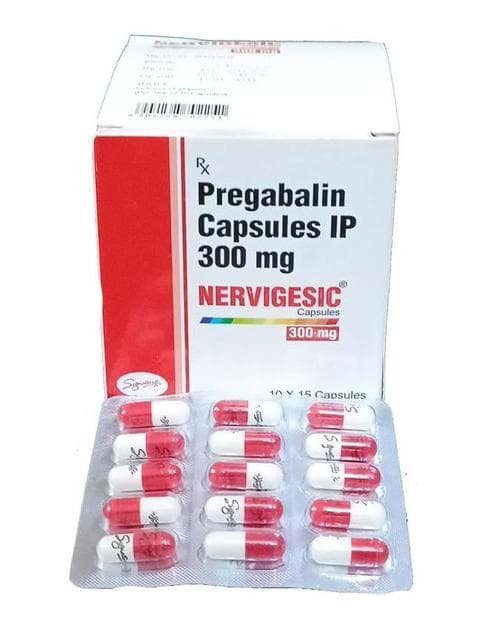
Buy Online Pregabalin 300mg CapsuleAUD

Buy Online Pregabalin 300mg Capsule

SignatureStrength on request

Buy Pregabalin 300mg capsules online in Australia. Used for neuropathic pain, epilepsy, and generalized anxiety disorder, our genuine Pregabalin ensures effective relief and convenience.

Details
Buy Online Pregabalin 300mg Capsule AustraliaAUD

Buy Online Pregabalin 300mg Capsule Australia

American RemediesStrength on request

Order Pregabalin 300mg capsules online in Australia from a trusted pharmacy. Effective treatment for neuropathic pain, epilepsy, and anxiety disorders with fast shipping and secure payment options.
Details
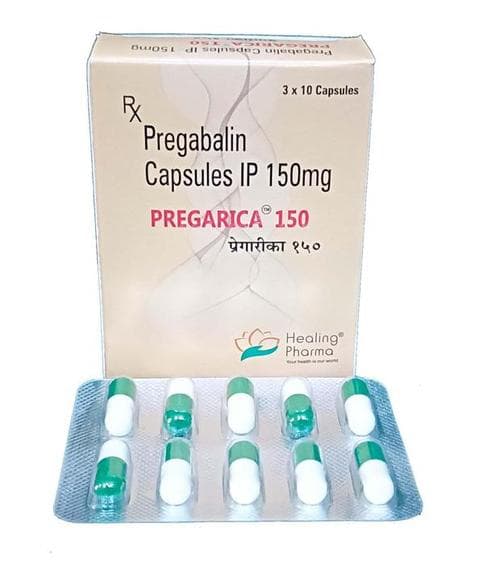
Buy Pregabalin 150mg Capsule AustraliaAUD

Buy Pregabalin 150mg Capsule Australia

Healing PharmaStrength on request

Buy Pregabalin 150mg capsules in Australia to effectively manage neuropathic pain, epilepsy, and anxiety disorders. Reliable pharmaceutical quality for Australian patients.

Details
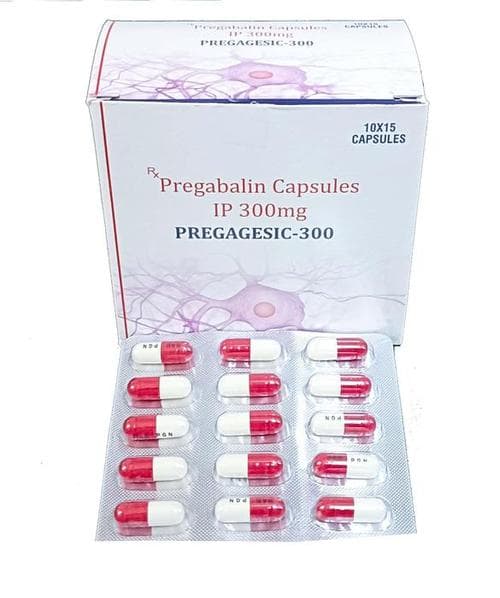
Buy Pregabalin 300mg CapsuleAUD

Buy Pregabalin 300mg Capsule

Healing PharmaStrength on request

Buy Pregabalin 300mg capsules in Australia, a trusted medication for neuropathic pain, epilepsy, and generalized anxiety disorder. Safe and effective treatment options available.
Details
Buy Pregabalin 300mg CapsuleAUD

Buy Pregabalin 300mg Capsule

Universal Health CareStrength on request

Buy Pregabalin 300mg capsules in Australia to manage nerve pain, seizures, and anxiety disorders. High-quality, safe, and effective medication available for Australian buyers.
Details
Buy Pregabalin 450mg Capsule AustraliaAUD

Buy Pregabalin 450mg Capsule Australia

Healing PharmaStrength on request

Buy Pregabalin 450mg capsules in Australia, a trusted medication for neuropathic pain, seizures, and generalized anxiety disorder. Available for Australian buyers with reliable delivery.
Details
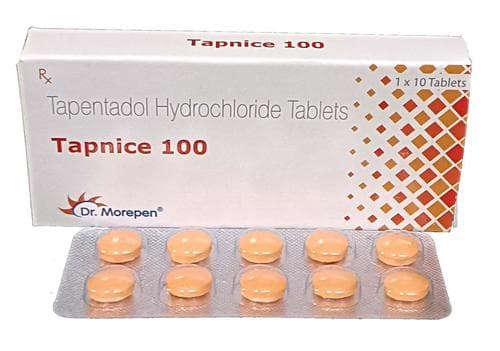
Buy Tapentadol 100mg AustraliaAUD

Buy Tapentadol 100mg Australia

MorepenStrength on request

Buy Tapentadol 100mg in Australia for reliable and effective pain relief. Suitable for moderate to severe pain management, available through trusted pharmaceutical sources.

Details

About Pain Killer Tablet

Pain killer tablets play a crucial role in the management of acute and chronic pain conditions. For Australian pharmaceutical buyers, sourcing reliable and effective pain relief medications is essential to meet patient needs. These tablets encompass a range of analgesic agents including non-steroidal anti-inflammatory drugs (NSAIDs), opioids, and acetaminophen-based formulations. Pain killer tablets work by targeting pain receptors and inflammatory pathways to alleviate discomfort and improve quality of life. With strict regulatory compliance and quality assurance, these pharmaceutical products ensure safety and efficacy. Buyers in Australia benefit from diverse options tailored for conditions such as musculoskeletal pain, post-operative pain, headaches, and neuropathic pain. Understanding the pharmacological profiles and appropriate use of these tablets is critical for optimal therapeutic outcomes. This category provides comprehensive access to trusted pain relief solutions that align with Australian healthcare standards and patient care requirements.

Clinical Overview

Pain Killer Tablet information

What is

The Pain Killer Tablet category for Australian pharmaceutical buyers encompasses a wide selection of analgesic medications designed to alleviate various types of pain effectively. This category includes a range of pharmaceutical formulations from over-the-counter options to prescription-strength tablets, ensuring accessibility for different patient needs. Australian healthcare providers and pharmacies seek pain relief solutions that meet stringent safety and quality standards, making this category highly relevant for pharmaceutical procurement. With increasing demand for effective pain management, these tablets are formulated to target acute pain such as headaches, muscle strains, and post-surgical discomfort, as well as chronic conditions including arthritis and neuropathic pain. Buyers can expect products that comply with Australian regulatory requirements and deliver reliable therapeutic outcomes to support patient care.

Medical Uses

Pain killer tablets are medically used to manage and relieve various types of pain, ranging from mild to severe intensity. They are commonly prescribed for acute pain resulting from injuries, surgical procedures, and dental work, as well as chronic pain conditions like osteoarthritis, rheumatoid arthritis, and neuropathic pain syndromes. These tablets function by reducing inflammation, blocking pain signals, or modulating the central nervous system's perception of pain. In clinical practice, pain killers improve patient comfort, enhance mobility, and contribute to faster recovery. In Australia, these medications are integral to pain management protocols across hospitals, clinics, and community healthcare settings. Their versatility in addressing different pain etiologies makes them indispensable in pharmaceutical inventories.

How to Take

Dosage information for pain killer tablets varies depending on the specific drug, patient age, weight, and medical condition. For NSAIDs like ibuprofen, typical adult dosages range from 200 mg to 400 mg every 4 to 6 hours, not exceeding the maximum daily limit as specified. Acetaminophen doses generally range from 500 mg to 1,000 mg every 4 to 6 hours, with a maximum daily dose of 4,000 mg to avoid toxicity. Opioid dosages are individualized based on pain severity and patient tolerance, often starting at the lowest effective dose. It is critical to adhere to prescribed dosages and not exceed recommended limits to prevent side effects such as gastrointestinal bleeding, liver damage, or opioid dependency. Patients should always consult healthcare providers before adjusting dosages.

How it Works

Pain killer tablets work through different mechanisms depending on their active ingredients. NSAIDs inhibit cyclooxygenase enzymes (COX-1 and COX-2), which are involved in the production of prostaglandins that promote inflammation, pain, and fever. By reducing prostaglandin synthesis, these tablets alleviate pain and swelling. Acetaminophen (paracetamol) acts centrally in the brain to inhibit pain signals and reduce fever, though its exact mechanism remains partially understood. Opioid analgesics bind to opioid receptors in the central nervous system, altering the perception and emotional response to pain. These varied pharmacological actions allow pain killer tablets to address pain at different physiological levels, providing comprehensive relief. Understanding these mechanisms is essential for appropriate selection and use in clinical practice.

Benefits

The benefits of pain killer tablets are multifaceted, offering effective relief from pain which significantly improves patient quality of life. These tablets enable individuals to maintain daily activities without the debilitating effects of pain. They reduce inflammation and swelling, which are common sources of discomfort in musculoskeletal conditions. Pain killer tablets also play a critical role in postoperative care, facilitating faster rehabilitation by controlling pain effectively. Additionally, they are available in various formulations to suit different patient needs including immediate release for quick relief and extended-release for sustained pain control. For Australian pharmaceutical buyers, sourcing these tablets ensures access to reliable and efficacious pain management options that meet high safety standards and support optimal therapeutic outcomes.

Dosage

Dosage information for pain killer tablets varies depending on the specific drug, patient age, weight, and medical condition. For NSAIDs like ibuprofen, typical adult dosages range from 200 mg to 400 mg every 4 to 6 hours, not exceeding the maximum daily limit as specified. Acetaminophen doses generally range from 500 mg to 1,000 mg every 4 to 6 hours, with a maximum daily dose of 4,000 mg to avoid toxicity. Opioid dosages are individualized based on pain severity and patient tolerance, often starting at the lowest effective dose. It is critical to adhere to prescribed dosages and not exceed recommended limits to prevent side effects such as gastrointestinal bleeding, liver damage, or opioid dependency. Patients should always consult healthcare providers before adjusting dosages.

Conclusion

Pain killer tablets remain an essential component in the management of pain across a wide spectrum of medical conditions for Australian patients. Their availability through trusted pharmaceutical suppliers ensures healthcare providers can deliver effective and safe pain relief tailored to individual patient needs. Understanding the appropriate use, benefits, and potential risks associated with these medications is critical to optimizing therapeutic outcomes and minimizing adverse effects. For pharmaceutical buyers in Australia, sourcing high-quality pain killer tablets that comply with regulatory standards supports improved patient care and enhances overall health outcomes. Continued education and adherence to safety protocols will further ensure these medications remain a reliable resource in pain management.

Safety Profile

Safety and handling information

Side Effects

Pain killer tablets can cause a range of side effects depending on the active ingredient and patient sensitivity. NSAIDs may lead to gastrointestinal issues such as stomach pain, ulcers, and bleeding, as well as increased risk of cardiovascular events with long-term use. Acetaminophen is generally well-tolerated but can cause liver toxicity if overdosed. Opioid analgesics may induce drowsiness, constipation, nausea, respiratory depression, and have a potential for addiction and dependence. Allergic reactions, though rare, can include rash, swelling, or anaphylaxis. Monitoring and early recognition of side effects are essential to mitigate risks and ensure patient safety during pain management therapy.

Warnings

Warnings associated with pain killer tablets emphasize the importance of cautious use to avoid serious adverse outcomes. Patients with pre-existing liver or kidney disease should avoid or limit use of certain analgesics. NSAIDs carry warnings related to gastrointestinal bleeding, hypertension, and cardiovascular risk, especially when used long-term or at high doses. Opioids have stringent warnings regarding potential for abuse, dependence, and respiratory depression. It is critical to avoid combining these medications with alcohol or other central nervous system depressants. Pregnant or breastfeeding women should consult healthcare providers before use. Adherence to dosing instructions and medical guidance is imperative to minimize risks.

Drug Interactions

Pain killer tablets can interact with a variety of medications, potentially altering their effectiveness or increasing adverse effects. NSAIDs may interact with anticoagulants, increasing bleeding risk, and with antihypertensives, reducing blood pressure control. Acetaminophen can interact with drugs affecting liver enzymes, raising toxicity risk. Opioids may interact with other central nervous system depressants such as benzodiazepines, increasing sedation and respiratory depression risk. It is essential for patients to disclose all medications and supplements to healthcare providers to appropriately manage potential interactions and ensure safe co-administration.

Storage

Proper storage of pain killer tablets is essential to maintain their efficacy and safety. Medications should be stored in a cool, dry place away from direct sunlight and moisture, typically at room temperature between 15°C and 30°C. Tablets must be kept out of reach of children and pets to prevent accidental ingestion. Avoid storing pain killers in bathrooms or damp environments, as humidity can degrade the medication. Additionally, expired or unused tablets should be disposed of according to local pharmaceutical waste guidelines to prevent misuse and environmental contamination.

Safety Advice

Safety advice for users of pain killer tablets includes following prescribed dosages strictly and consulting healthcare professionals before starting or stopping any medication. Avoid self-medicating for prolonged periods without medical supervision. Patients should read product labels carefully to understand potential side effects and interactions. Do not consume alcohol while taking pain killers, especially opioids or NSAIDs, as this can increase risks. Monitor for any adverse reactions and seek immediate medical attention if severe side effects or allergic symptoms occur. Pregnant or breastfeeding women should seek medical advice before using pain relief tablets.

More Options

Popular Pain Killer Tablet

Buy Gabapentin 600mg AustraliaAUD

Buy Gabapentin 600mg Australia

Healing PharmaStrength on request

Buy Gabapentin 600mg in Australia for effective management of neuropathic pain, epilepsy, and nerve-related conditions. Trusted pharmaceutical quality and fast delivery.

Details
Buy Gabapentin 800mg Tablet AustraliaAUD

Buy Gabapentin 800mg Tablet Australia

SignatureStrength on request

Buy Gabapentin 800mg tablets in Australia to manage neuropathic pain, epilepsy, and other neurological disorders. Safe, effective, and professionally formulated medication.

Details
Buy Lyrica 75mg Capsule AustraliaAUD

Buy Lyrica 75mg Capsule Australia

Pfizer75mg

Buy genuine Lyrica 75mg capsules in Australia designed to alleviate neuropathic pain, epilepsy, and generalized anxiety disorder. Trusted medication with proven efficacy and safety.

Details
Buy Online Aspadol 100mg TabletAUD

Buy Online Aspadol 100mg Tablet

SignatureStrength on request

Buy Aspadol 100mg tablets online in Australia, a trusted medicine for moderate to severe pain relief. Discover its uses, benefits, dosage, and safety information.

Details

FAQ

Pain Killer Tablet FAQs

What are the common types of pain killer tablets available in Australia?+

Common pain killer tablets available in Australia include non-steroidal anti-inflammatory drugs (NSAIDs) like ibuprofen and naproxen, acetaminophen-based tablets, and opioid analgesics such as codeine and tramadol. These medications are used to treat various pain types from mild headaches to severe post-operative discomfort.

How should pain killer tablets be dosed for safe use?+

Dosage of pain killer tablets depends on the specific medication, patient age, weight, and medical condition. It is essential to follow the healthcare provider's instructions or the product label carefully to avoid overdose or adverse effects. Regular monitoring and consultation are advised for prolonged use.

What are the potential side effects of common pain killer tablets?+

Potential side effects vary by medication but may include gastrointestinal discomfort, nausea, dizziness, allergic reactions, and in some cases, liver or kidney impairment. Opioid painkillers may also cause drowsiness, constipation, or dependency if misused.

Can pain killer tablets interact with other medications?+

Yes, pain killer tablets can interact with other drugs such as blood thinners, antidepressants, and certain antihypertensives. These interactions can alter effectiveness or increase the risk of side effects. It is important to inform healthcare providers of all medications being taken.

Are pain killer tablets safe for long-term use?+

Long-term use of pain killer tablets should be carefully managed under medical supervision due to risks like tolerance, dependence, organ damage, and other adverse effects. Alternative pain management strategies may be recommended to minimize risks associated with prolonged use.