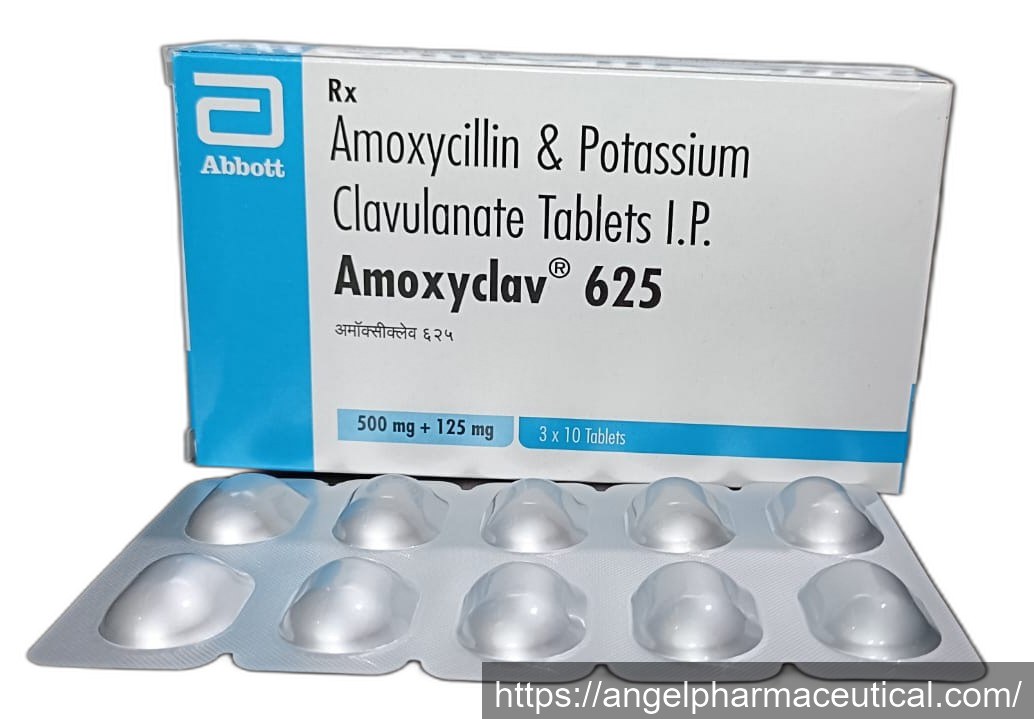
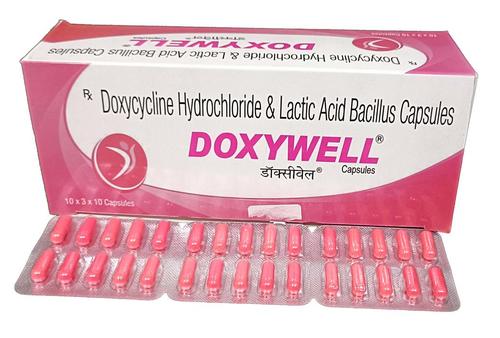
The category of antibiotic medicines in Canada encompasses a diverse range of pharmaceutical products designed to treat bacterial infections effectively. This category is essential for healthcare providers, pharmacies, and patients seeking reliable antibacterial therapies. Canadian regulations ensure that antibiotics available in the market meet stringent safety and efficacy standards. Antibiotics are used to treat infections affecting various body systems, including respiratory, urinary, skin, and gastrointestinal tracts. This category includes both broad-spectrum and narrow-spectrum antibiotics, catering to different clinical needs. Canadian pharmaceutical buyers benefit from access to a wide array of formulations such as tablets, capsules, injectables, and topical applications. The availability of these medicines supports public health initiatives and antimicrobial stewardship programs aimed at reducing antibiotic resistance. Furthermore, the category offers products from reputable manufacturers who comply with Health Canada’s quality assurance protocols. Buyers can expect detailed information on each antibiotic’s mechanism of action, indications, dosage, and possible side effects, facilitating informed purchasing decisions. The category also highlights the importance of responsible antibiotic use, emphasizing prescription adherence and consultation with healthcare professionals. Overall, this category is a crucial component of Canada’s healthcare infrastructure, providing essential medications to combat bacterial diseases effectively and safely.
Antibiotic medicines serve a fundamental role in treating bacterial infections by either killing bacteria or inhibiting their growth. In Canada, these medicines are prescribed for a wide array of medical conditions affecting multiple organ systems. Common uses include treatment of respiratory infections such as pneumonia and bronchitis, urinary tract infections, skin infections like cellulitis and impetigo, and gastrointestinal infections caused by pathogenic bacteria. Additionally, antibiotics are critical in managing more severe infections such as sepsis and post-surgical prophylaxis to prevent infection. The selection of a specific antibiotic depends on the identified or suspected bacterial pathogen, site of infection, patient allergies, and local resistance patterns. Canadian healthcare professionals utilize diagnostic tools and susceptibility testing to ensure the most effective antibiotic is chosen. Beyond therapeutic use, antibiotics also play a preventive role in certain clinical scenarios, such as dental procedures or immunocompromised patients at risk of opportunistic infections. Their medical use is guided by standardized treatment protocols to optimize outcomes and minimize adverse effects. It is essential to use antibiotics only when bacterial infections are confirmed or highly suspected, as inappropriate use can contribute to antibiotic resistance. The category of antibiotic medicines available in Canada supports these medical needs by offering a range of agents tailored to diverse infection types and patient populations, ensuring targeted treatment and improved recovery rates.
Dosage information for antibiotic medicines varies depending on the specific drug, infection type, patient age, weight, kidney and liver function, and severity of the infection. In Canada, prescribing healthcare professionals carefully calculate the appropriate dose to achieve therapeutic drug levels that effectively combat bacteria while minimizing toxicity. Most oral antibiotics are administered multiple times daily based on their half-life to maintain adequate blood concentrations. Duration of treatment typically ranges from 5 to 14 days but can be adjusted depending on clinical response. For injectable antibiotics, dosing frequency and amount are tailored to the pharmacokinetic properties and infection site. Pediatric and geriatric patients often require dose modifications to accommodate physiological differences. It is critical to complete the full prescribed course of antibiotics to prevent bacterial resistance and relapse. Missed doses should be taken as soon as possible unless close to the next dose. Canadian pharmaceutical guidelines emphasize patient education on proper dosing schedules, potential side effects, and the importance of adherence. Buyers and healthcare providers should refer to official product monographs and clinical protocols for detailed dosage recommendations to ensure safe and effective antibiotic therapy.
Antibiotic medicines work by targeting specific bacterial processes essential for survival and replication, thereby eliminating the infection or inhibiting its progression. Different classes of antibiotics act through various mechanisms depending on their molecular structure and bacterial target. For example, penicillins and cephalosporins disrupt bacterial cell wall synthesis, leading to cell lysis and death. Macrolides and tetracyclines inhibit bacterial protein synthesis by binding to ribosomal subunits, preventing the production of vital proteins. Fluoroquinolones interfere with bacterial DNA replication enzymes, halting bacterial proliferation. By selectively targeting bacteria, antibiotics minimize harm to human cells, making them effective therapeutic agents. In clinical practice, the choice of antibiotic depends on the suspected or confirmed bacterial pathogen and its known susceptibility profile. The pharmacokinetics and pharmacodynamics of the antibiotic also influence its distribution to the infection site and duration of action. Proper dosing ensures that antibiotic concentrations remain above the minimum inhibitory concentration (MIC) required to suppress bacterial growth. Additionally, antibiotics may be bactericidal, killing bacteria directly, or bacteriostatic, merely inhibiting growth and allowing the immune system to clear the infection. Understanding these mechanisms assists healthcare providers in optimizing treatment regimens, preventing resistance development, and achieving successful clinical outcomes for patients in Canada.
The benefits of antibiotic medicines in Canada are multifaceted, contributing significantly to individual patient health and broader public health objectives. Primarily, antibiotics effectively eliminate or control bacterial infections, reducing symptoms, preventing complications, and promoting faster recovery. This therapeutic efficacy helps decrease hospital stays, lowers healthcare costs, and enhances quality of life. For Canadian pharmaceutical buyers, access to reliable antibiotics ensures that healthcare providers can deliver evidence-based treatments aligned with current clinical guidelines. Another key benefit is the availability of a broad spectrum of antibiotics, allowing personalized treatment based on the infection type and bacterial susceptibility. This reduces treatment failure and promotes better patient outcomes. Antibiotics also play a preventive role by minimizing the risk of infection following surgeries, injuries, or invasive medical procedures. Furthermore, through responsible use, antibiotics contribute to controlling the spread of infectious diseases within communities. Modern antibiotic formulations in Canada come with improved safety profiles and convenient dosing schedules, enhancing patient adherence to therapy. Additionally, the rigorous regulatory oversight in Canada guarantees high-quality manufacturing standards, ensuring the medicines are safe, potent, and free from contaminants. Collectively, these benefits make antibiotic medicines indispensable tools in managing bacterial infections and safeguarding public health.
Dosage information for antibiotic medicines varies depending on the specific drug, infection type, patient age, weight, kidney and liver function, and severity of the infection. In Canada, prescribing healthcare professionals carefully calculate the appropriate dose to achieve therapeutic drug levels that effectively combat bacteria while minimizing toxicity. Most oral antibiotics are administered multiple times daily based on their half-life to maintain adequate blood concentrations. Duration of treatment typically ranges from 5 to 14 days but can be adjusted depending on clinical response. For injectable antibiotics, dosing frequency and amount are tailored to the pharmacokinetic properties and infection site. Pediatric and geriatric patients often require dose modifications to accommodate physiological differences. It is critical to complete the full prescribed course of antibiotics to prevent bacterial resistance and relapse. Missed doses should be taken as soon as possible unless close to the next dose. Canadian pharmaceutical guidelines emphasize patient education on proper dosing schedules, potential side effects, and the importance of adherence. Buyers and healthcare providers should refer to official product monographs and clinical protocols for detailed dosage recommendations to ensure safe and effective antibiotic therapy.
Antibiotic medicines remain a cornerstone in the fight against bacterial infections, providing life-saving treatments and improving patient outcomes across Canada. By offering a diverse range of high-quality antibiotics that meet rigorous regulatory standards, Canadian pharmaceutical buyers can ensure access to effective and safe antibacterial therapies. Responsible use, guided by healthcare professionals, is essential to maximize benefits while minimizing risks such as side effects and antibiotic resistance. Proper storage, adherence to dosage regimens, and awareness of potential drug interactions further enhance treatment success. As antibiotic resistance continues to challenge global health, Canadian initiatives emphasize stewardship programs and public education to preserve antibiotic efficacy. Buyers and healthcare providers play a critical role in this effort by sourcing authentic medicines and promoting informed usage. Ultimately, the availability of trusted antibiotic medicines in Canada supports comprehensive healthcare delivery, safeguarding the well-being of individuals and communities alike.