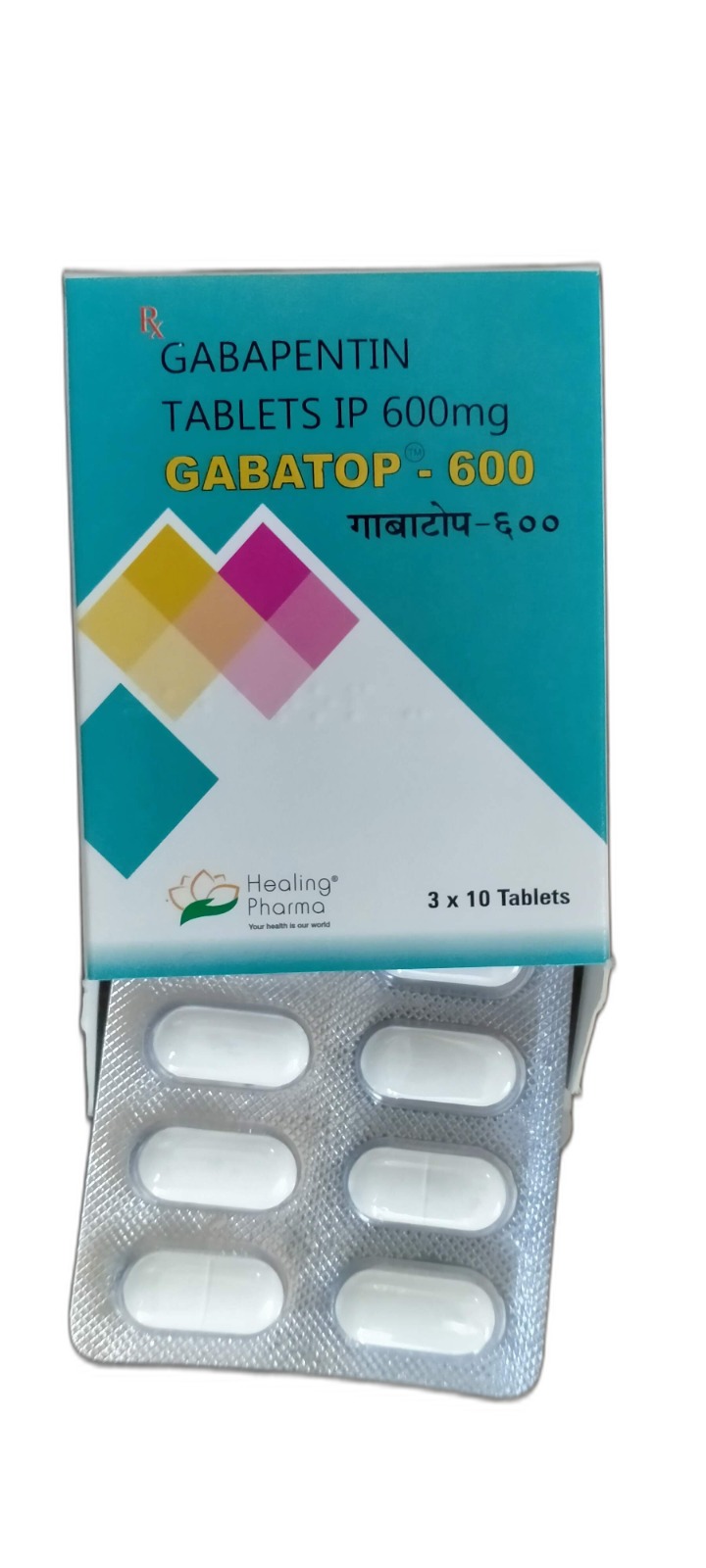
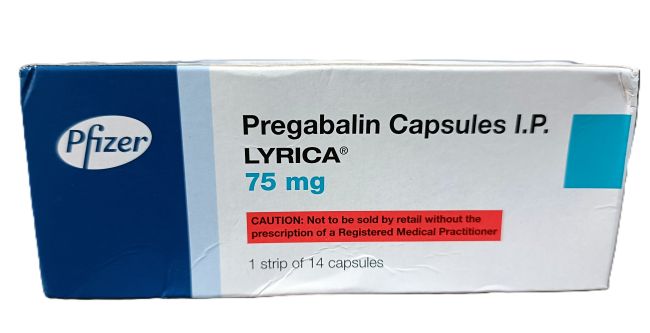
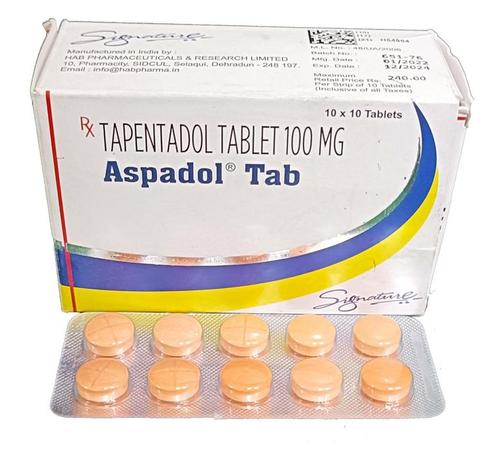
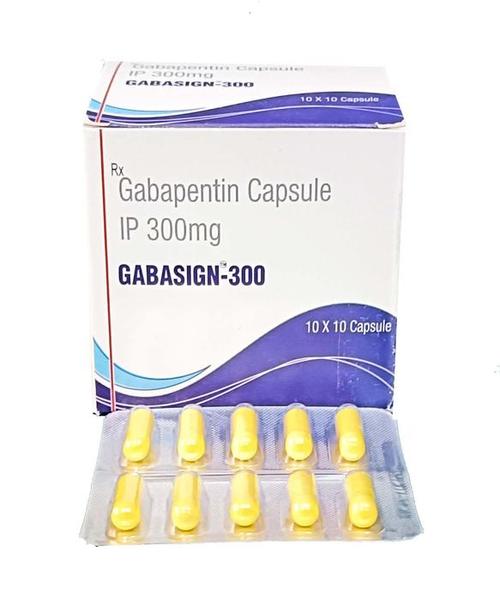
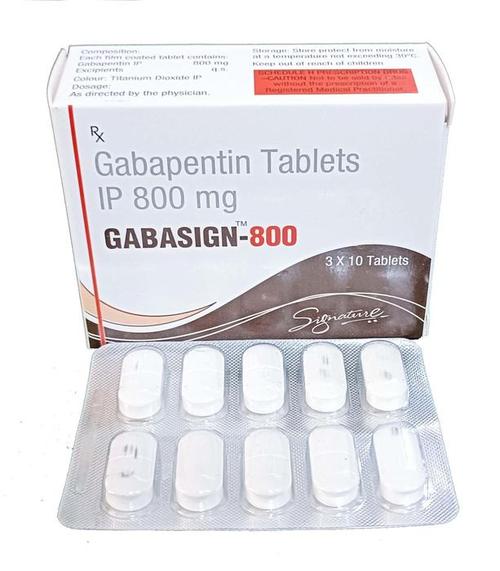
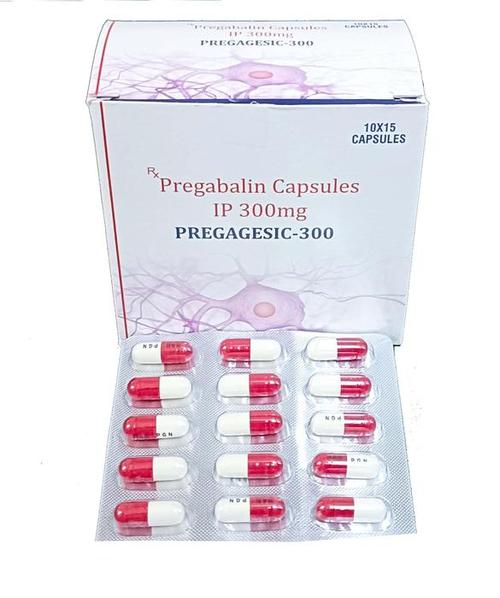
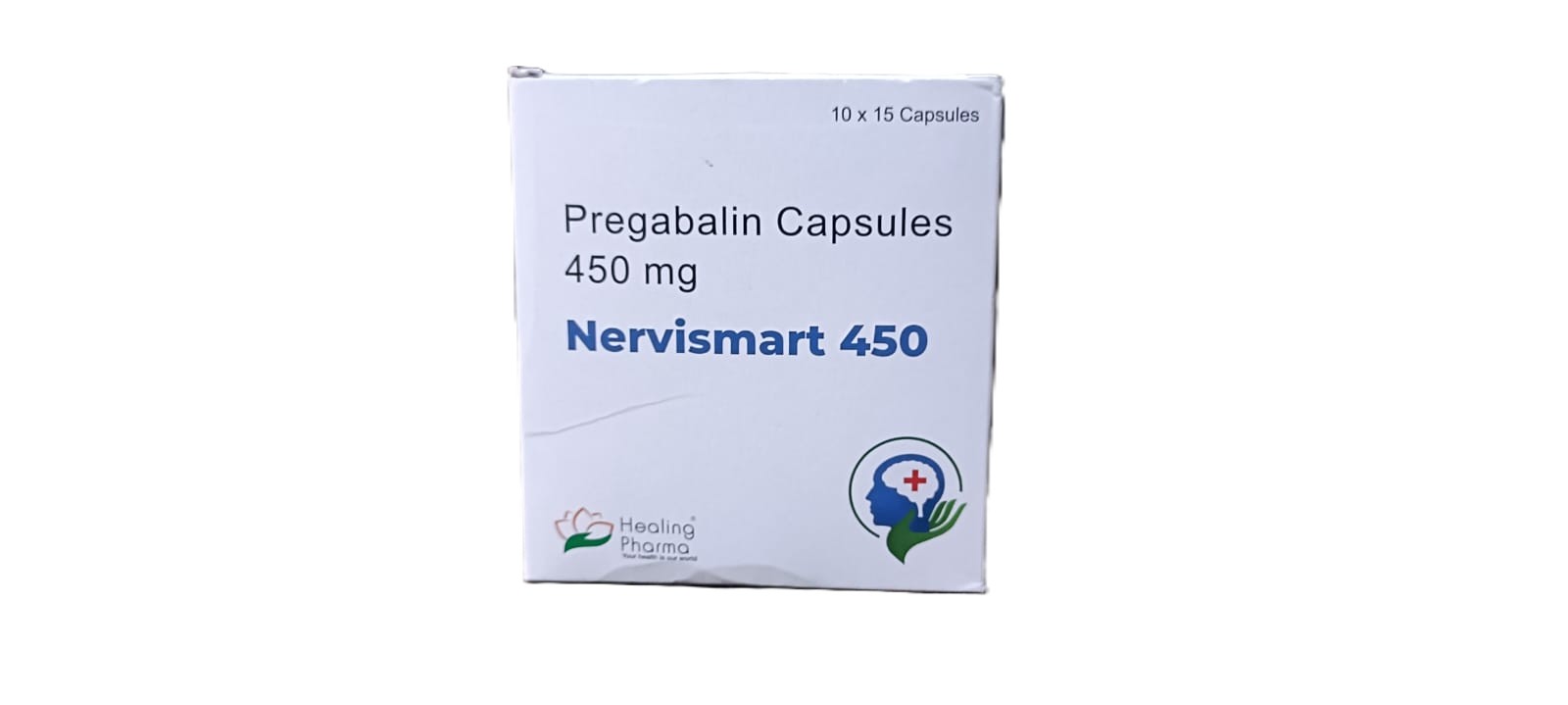
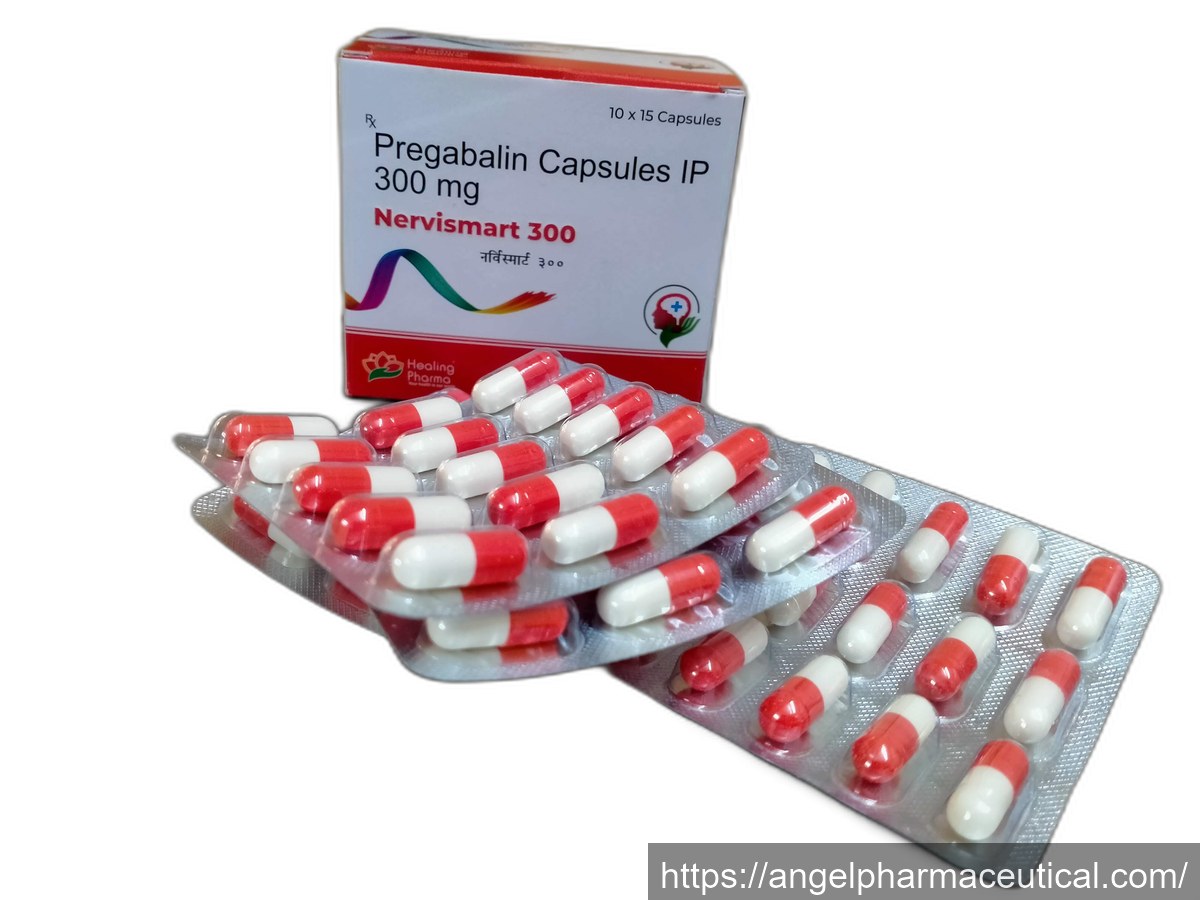
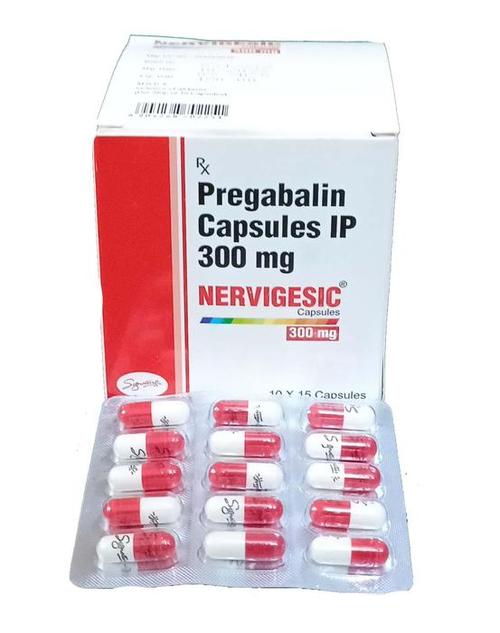
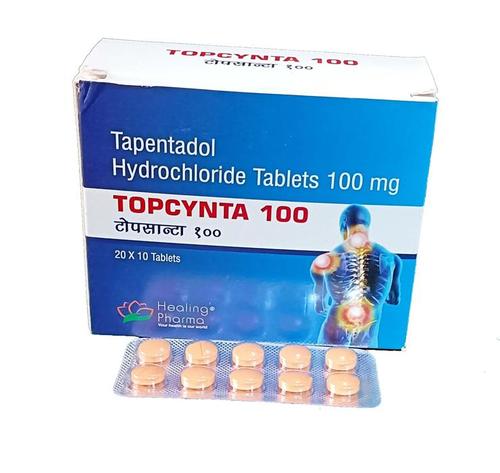
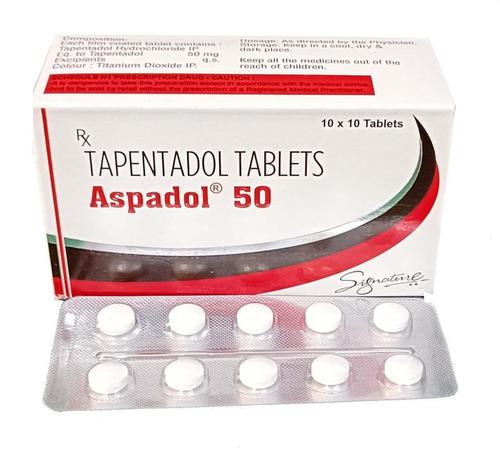
The Pain Killer Tablet category serves as a comprehensive resource for pharmaceutical buyers in Canada seeking reliable and effective pain relief medications. This category includes a broad spectrum of analgesic tablets designed to manage various types of pain, from mild discomfort to severe chronic conditions. Pain killer tablets are a cornerstone of therapeutic regimens in hospitals, clinics, and retail pharmacies, making their quality and availability crucial for healthcare delivery. Canadian pharmaceutical buyers must navigate regulatory frameworks and market demands to source high-grade products that align with patient safety and efficacy standards. The category features medications that cater to diverse clinical applications, including post-operative pain management, arthritis, neuropathy, and acute injury treatment. By providing detailed information on formulation types, usage guidelines, and safety considerations, this category enables buyers to make informed purchasing decisions. Additionally, it highlights trending pharmaceutical innovations and trusted manufacturers committed to compliance with Health Canada regulations. This ensures that buyers can confidently supply pharmacies and healthcare providers with pain killer tablets that enhance patient care outcomes and meet Canada's stringent healthcare standards.
Pain killer tablets are medically utilized to alleviate pain resulting from a variety of causes including injury, surgery, inflammation, chronic diseases, and neuropathic conditions. They are prescribed to manage acute pain such as headaches, dental pain, and muscle strains, as well as chronic pain conditions like arthritis, fibromyalgia, and cancer-related pain. NSAIDs reduce inflammation and are effective in musculoskeletal disorders, while acetaminophen is commonly used for mild to moderate pain and fever reduction. Opioid analgesics are reserved for severe pain when other medications are insufficient. In clinical practice, these tablets help improve patient comfort, facilitate rehabilitation, and enhance quality of life. Medical professionals tailor pain killer tablet prescriptions based on pain etiology, severity, patient tolerance, and co-existing medical conditions. Understanding the scope of medical uses guides pharmaceutical buyers in selecting appropriate analgesic options to meet diverse healthcare needs across Canada.
Dosage of pain killer tablets varies based on the active ingredient, patient age, weight, pain severity, and underlying health conditions. For example, acetaminophen is typically administered in doses of 325 mg to 1000 mg every 4 to 6 hours, not exceeding 4000 mg per day to avoid liver toxicity. NSAIDs like ibuprofen are dosed between 200 mg and 800 mg per administration with a maximum daily limit to minimize gastrointestinal and renal risks. Opioids require individualized dosing starting from the lowest effective dose with careful titration and monitoring to prevent dependency. Proper adherence to dosing schedules optimizes pain control while mitigating adverse effects. Pharmaceutical buyers should prioritize tablets with clear labeling and dosage instructions compliant with Canadian health regulations to ensure safe dispensing by healthcare providers.
Pain killer tablets function by targeting specific pathways involved in pain sensation and inflammation. NSAIDs inhibit cyclooxygenase enzymes (COX-1 and COX-2), which reduces the production of prostaglandins responsible for inflammation and pain signaling. Acetaminophen’s mechanism involves modulation of the central nervous system pain pathways, though its exact mode of action remains partly unclear. Opioid analgesics bind to opioid receptors in the brain and spinal cord, blocking pain signals and altering the perception of pain. By interfering with these biological processes, pain killer tablets decrease pain intensity, reduce inflammation, and improve patient comfort. The onset and duration of action depend on the tablet’s active ingredients, formulation, and dosage. Understanding these mechanisms allows pharmaceutical buyers to select appropriate pain medications that align with clinical requirements and patient safety considerations in Canada.
Pain killer tablets offer numerous benefits including effective and rapid relief from various types of pain, improved patient mobility, and enhanced quality of life. They reduce inflammation and swelling in conditions like arthritis, thereby decreasing joint discomfort and stiffness. These tablets also enable patients to perform daily activities with less pain interference, supporting faster recovery in post-operative and injury scenarios. Additionally, properly formulated pain killer tablets have predictable pharmacokinetic profiles that ensure consistent therapeutic effects. They help minimize the need for invasive pain management techniques and reduce the burden on healthcare resources. For pharmaceutical buyers, offering a range of pain relief tablets ensures access to tailored treatment options for different patient demographics. The availability of both over-the-counter and prescription-strength tablets provides flexibility in managing mild to severe pain safely and effectively within the Canadian healthcare system.
Dosage of pain killer tablets varies based on the active ingredient, patient age, weight, pain severity, and underlying health conditions. For example, acetaminophen is typically administered in doses of 325 mg to 1000 mg every 4 to 6 hours, not exceeding 4000 mg per day to avoid liver toxicity. NSAIDs like ibuprofen are dosed between 200 mg and 800 mg per administration with a maximum daily limit to minimize gastrointestinal and renal risks. Opioids require individualized dosing starting from the lowest effective dose with careful titration and monitoring to prevent dependency. Proper adherence to dosing schedules optimizes pain control while mitigating adverse effects. Pharmaceutical buyers should prioritize tablets with clear labeling and dosage instructions compliant with Canadian health regulations to ensure safe dispensing by healthcare providers.
Pain killer tablets remain a fundamental component of pain management strategies in Canada, offering diverse options to address varying pain intensities and conditions. For pharmaceutical buyers, sourcing high-quality, compliant, and effective analgesic tablets is crucial to support healthcare providers and ensure optimal patient outcomes. Understanding the medical uses, benefits, mechanisms, and safety profiles of these medications enables informed procurement decisions. Adherence to regulatory standards and comprehensive product knowledge mitigates risks associated with side effects, drug interactions, and misuse. This category empowers Canadian pharmaceutical buyers to meet growing demands for reliable pain relief solutions while maintaining patient safety and therapeutic efficacy. Ultimately, providing access to trusted pain killer tablets enhances healthcare delivery and improves quality of life for patients experiencing pain across the country.