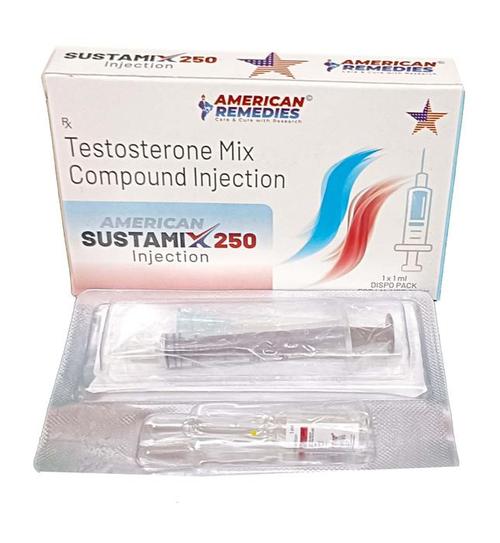
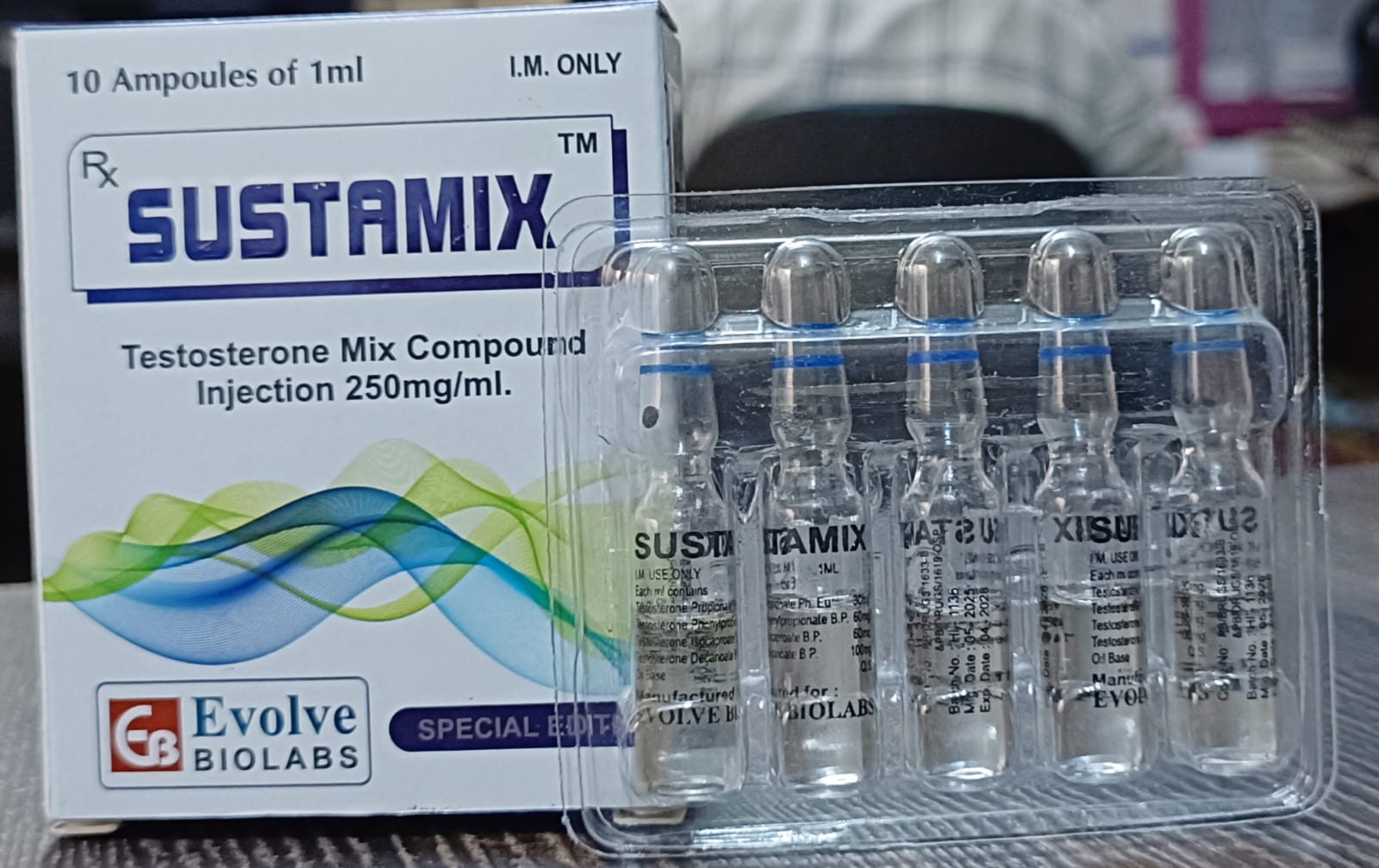
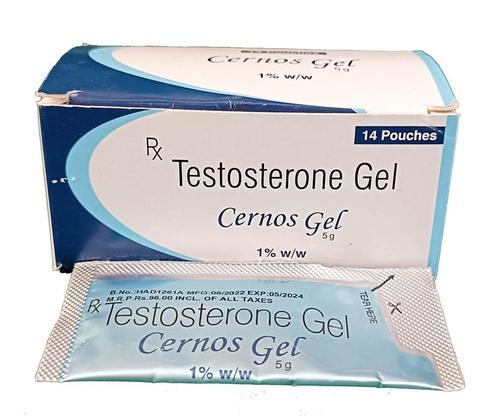
Testosterone Canada caters to pharmaceutical buyers seeking high-quality hormone replacement therapies within the Canadian healthcare market. This category encompasses a comprehensive selection of Testosterone formulations including injections, topical gels, patches, and pellets designed to address testosterone deficiency and related health conditions. The Canadian pharmaceutical industry adheres to stringent regulatory standards set by Health Canada, ensuring safety, efficacy, and quality control in all Testosterone products. This oversight guarantees that healthcare providers and pharmacies receive medications that meet rigorous clinical standards. Testosterone therapy has gained prominence as an effective treatment for male hypogonadism and other hormonal imbalances, contributing significantly to improved patient quality of life. The availability of multiple delivery methods allows for personalized treatment protocols tailored to individual patient needs and preferences. Canadian pharmaceutical buyers benefit from competitive pricing, reliable supply chains, and access to established manufacturers committed to innovation and patient safety. This category supports healthcare professionals in making informed decisions by providing detailed product information, clinical data, and access to professional support services. Whether for hospital pharmacies, outpatient clinics, or specialized hormone therapy centers, Testosterone Canada serves as a trusted source for pharmaceutical procurement and patient care optimization.
Testosterone therapy in Canada is primarily utilized to treat male hypogonadism, a condition where the body does not produce sufficient testosterone. This deficiency can lead to symptoms including fatigue, reduced libido, muscle weakness, and mood disturbances. Beyond hypogonadism, Testosterone is also indicated for delayed puberty in adolescent males, helping to initiate and sustain the development of secondary sexual characteristics. In some instances, Testosterone therapy is used as part of treatment plans for certain types of breast cancer in women, although this is less common. The therapy supports the restoration of normal hormone levels, thereby improving physical strength, sexual function, bone density, and overall well-being. Medical practitioners carefully assess each patient’s hormone profile, symptoms, and underlying health conditions before prescribing Testosterone. Treatment is often part of a broader endocrinological approach involving lifestyle modifications and ongoing monitoring. Given the hormone’s systemic effects, Testosterone therapy requires precise dosing and administration tailored to individual needs. Canadian healthcare providers follow protocols aligned with Health Canada’s guidelines to ensure safe and effective use. This includes regular blood tests to monitor hormone levels, liver function, and hematocrit, minimizing risks and optimizing therapeutic outcomes. Through these medical uses, Testosterone therapy remains a vital component in managing hormone-related disorders and enhancing patient quality of life within Canada’s healthcare system.
Dosage of Testosterone therapy varies depending on the formulation, patient age, clinical indication, and individual response. In Canada, healthcare providers personalize dosing regimens to restore physiological testosterone levels while minimizing side effects. Injectable Testosterone, such as Testosterone cypionate or enanthate, is commonly administered intramuscularly at doses ranging from 50 mg to 400 mg every 1 to 4 weeks. Topical gels and creams typically require daily application of 5 to 10 grams, delivering approximately 50 to 100 mg of Testosterone. Transdermal patches are applied once daily, providing a controlled dose of 2 to 6 mg per day. Subcutaneous pellets implanted under the skin release Testosterone steadily over 3 to 6 months, with dosage tailored per patient requirements. Initial dosing often starts at the lower end of the spectrum to monitor tolerance, with adjustments made based on serum Testosterone levels measured through blood tests. Regular clinical evaluation is essential to prevent supraphysiological hormone levels that can increase risks such as erythrocytosis or cardiovascular complications. Patients are advised to follow administration instructions precisely to maximize absorption and efficacy. Dose adjustments may be necessary due to changes in health status, age, or concurrent medications. Canadian clinical guidelines emphasize individualized dosing and ongoing monitoring to ensure safe and effective Testosterone replacement therapy.
Testosterone therapy works by supplementing or restoring natural testosterone levels in the body, which is crucial for maintaining male physiological functions. Testosterone is a steroid hormone produced primarily in the testes and, to a lesser extent, in the adrenal glands. It regulates numerous bodily processes including muscle growth, bone density, red blood cell production, libido, and mood regulation. When endogenous testosterone production is insufficient, exogenous Testosterone is administered through various formulations such as injections, gels, patches, or pellets. These medications elevate circulating testosterone levels, allowing the hormone to bind to androgen receptors in target tissues. This receptor activation triggers cellular responses that promote protein synthesis, muscle development, and other anabolic effects. Additionally, Testosterone influences the brain to regulate mood and sexual function. The pharmacokinetics of Testosterone vary depending on the formulation used; for example, injectable Testosterone provides rapid increases in hormone levels, whereas gels and patches deliver steady, sustained release. Healthcare providers tailor the choice of formulation and dosage to individual patient profiles, optimizing therapeutic outcomes while minimizing side effects. Regular monitoring of hormone levels, hematocrit, and liver function tests ensures safe and effective treatment. By restoring hormonal balance, Testosterone therapy supports the physiological processes impaired by testosterone deficiency, improving patient health and quality of life.
The benefits of Testosterone therapy for patients in Canada are multifaceted and clinically significant. Primarily, Testosterone replacement restores deficient hormone levels, which can alleviate symptoms like fatigue, decreased libido, and depression often associated with low testosterone. This leads to improved energy, mood stabilization, and enhanced sexual health. Additionally, Testosterone therapy contributes to increased muscle mass and strength, which is particularly beneficial for aging men or those with muscle-wasting conditions. It also supports bone density maintenance, reducing the risk of osteoporosis and fractures. Improved cognitive function and mental clarity have been reported in some patients undergoing Testosterone treatment. For individuals with delayed puberty, Testosterone facilitates the development of secondary sexual characteristics such as facial hair growth, voice deepening, and increased genital size, promoting normal physical maturation. Furthermore, Testosterone therapy may positively impact cardiovascular health by influencing lipid profiles and insulin sensitivity, although these effects require further study. The diverse formulations available in Canada, including topical gels, patches, injections, and pellets, provide flexibility in administration, improving patient adherence and convenience. These therapeutic benefits, combined with careful clinical monitoring, make Testosterone therapy a valuable intervention for managing hormone deficiencies and improving overall quality of life for Canadian patients.
Dosage of Testosterone therapy varies depending on the formulation, patient age, clinical indication, and individual response. In Canada, healthcare providers personalize dosing regimens to restore physiological testosterone levels while minimizing side effects. Injectable Testosterone, such as Testosterone cypionate or enanthate, is commonly administered intramuscularly at doses ranging from 50 mg to 400 mg every 1 to 4 weeks. Topical gels and creams typically require daily application of 5 to 10 grams, delivering approximately 50 to 100 mg of Testosterone. Transdermal patches are applied once daily, providing a controlled dose of 2 to 6 mg per day. Subcutaneous pellets implanted under the skin release Testosterone steadily over 3 to 6 months, with dosage tailored per patient requirements. Initial dosing often starts at the lower end of the spectrum to monitor tolerance, with adjustments made based on serum Testosterone levels measured through blood tests. Regular clinical evaluation is essential to prevent supraphysiological hormone levels that can increase risks such as erythrocytosis or cardiovascular complications. Patients are advised to follow administration instructions precisely to maximize absorption and efficacy. Dose adjustments may be necessary due to changes in health status, age, or concurrent medications. Canadian clinical guidelines emphasize individualized dosing and ongoing monitoring to ensure safe and effective Testosterone replacement therapy.
Testosterone therapy remains a cornerstone treatment for managing testosterone deficiency and related health conditions within the Canadian pharmaceutical landscape. With a diverse range of high-quality formulations compliant with Health Canada standards, healthcare providers can tailor treatments to individual patient needs, promoting optimal clinical outcomes. Understanding the medical uses, benefits, and potential risks of Testosterone therapy is essential for safe and effective administration. Canadian pharmaceutical buyers benefit from access to trusted product portfolios backed by robust clinical data and regulatory oversight. Ongoing patient monitoring, adherence to safety protocols, and awareness of drug interactions ensure minimized adverse effects and enhanced quality of life for recipients. As awareness of testosterone-related health issues grows, Testosterone Canada stands as a reliable resource supporting healthcare professionals and patients alike. By prioritizing education, safety, and personalized care, Testosterone therapy continues to improve health outcomes and patient satisfaction across Canada.