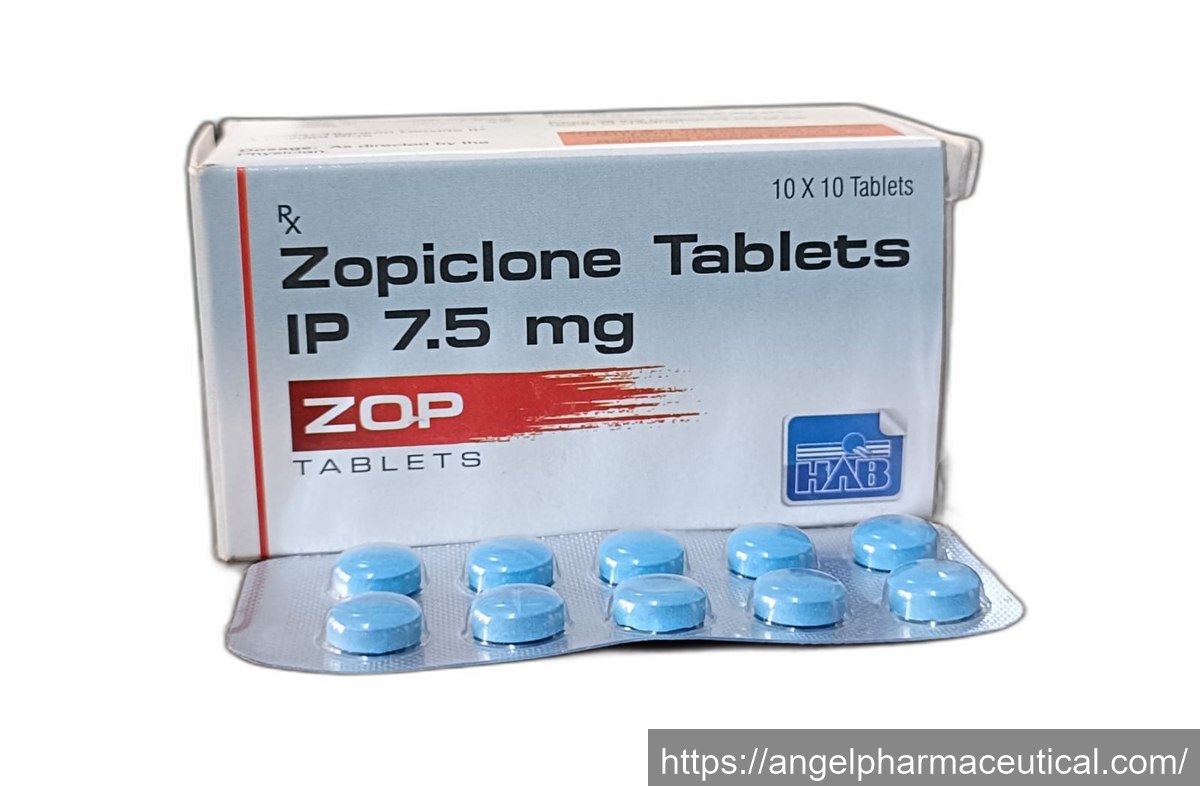
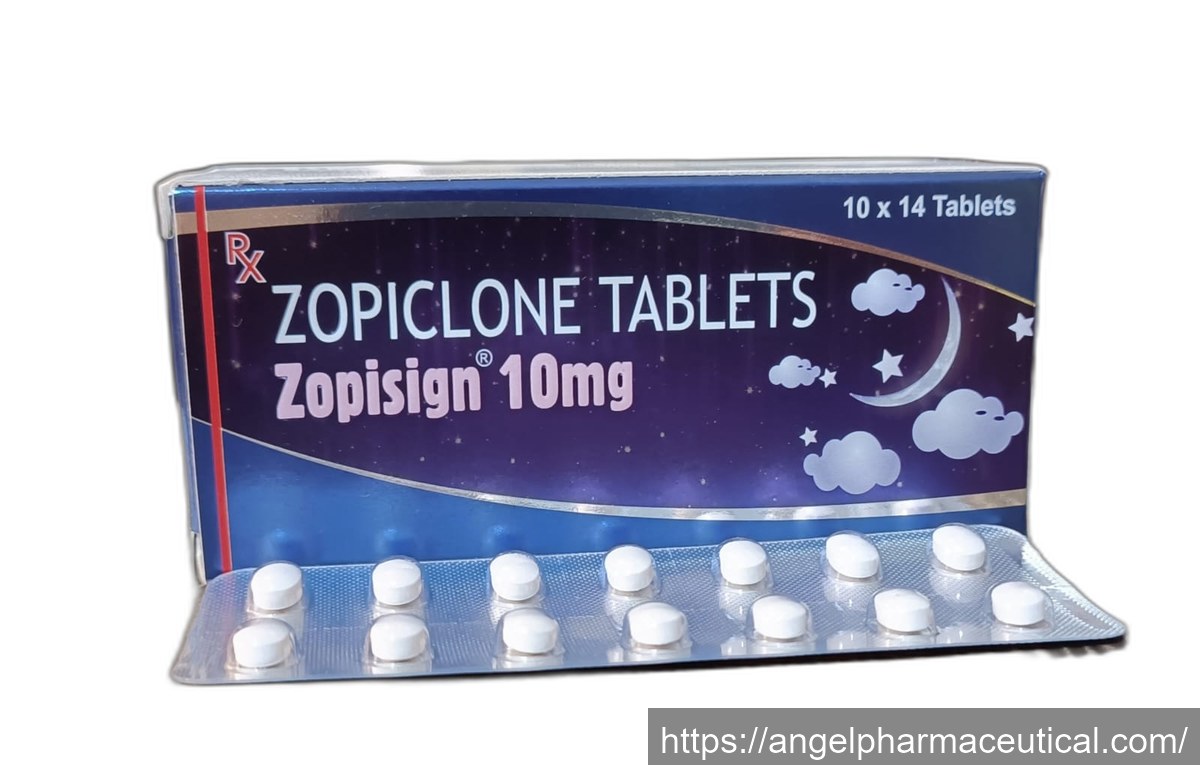
The category of anti depressant tablets encompasses a wide range of pharmaceutical products designed to treat depressive disorders and related mental health conditions in Canada. These medications work by modulating brain chemistry to restore emotional balance and improve quality of life for patients suffering from depression, anxiety, and other mood disorders. Pharmaceutical buyers in Canada require access to trusted, high-quality anti depressant tablets that meet stringent regulatory standards. This category includes various classes of antidepressants such as SSRIs, SNRIs, TCAs, and atypical agents, each with unique mechanisms of action and therapeutic profiles. The availability of these medications supports healthcare providers in prescribing effective treatments tailored to individual patient needs. The category also highlights essential information regarding dosing regimens, side effect profiles, drug interactions, and safety precautions to ensure optimal patient outcomes. Angel Pharmaceutical is committed to delivering authentic, efficacious anti depressant tablets to pharmaceutical distributors and healthcare institutions across Canada, facilitating improved mental health management nationwide.
Anti depressant tablets are primarily used to manage major depressive disorder, a condition characterized by persistent low mood, lack of interest in activities, and impaired daily functioning. Beyond depression, these medications are also prescribed for anxiety disorders, panic attacks, obsessive-compulsive disorder (OCD), post-traumatic stress disorder (PTSD), and certain chronic pain conditions. By influencing neurotransmitters such as serotonin, norepinephrine, and dopamine, anti depressants help regulate mood and emotional responses. In Canada, these tablets are integral to mental health treatment protocols, providing relief from symptoms that otherwise significantly impair quality of life. Some formulations are approved for additional indications including neuropathic pain and menopausal symptoms. Proper selection and dosing by healthcare professionals ensure that patients receive the most appropriate therapy based on their diagnosis and clinical history. The medical use of anti depressant tablets is supported by extensive clinical research and regulatory approvals, ensuring safe and effective management of mental health disorders.
Dosage of anti depressant tablets varies widely depending on the specific medication, patient age, severity of the condition, and individual response. Typically, treatment begins with a low dose to minimize side effects, followed by gradual titration to an effective therapeutic dose. For example, SSRIs may start at 10-20 mg daily, while TCAs require careful dosing due to narrow therapeutic windows. It is important to adhere to prescribed dosing schedules and avoid abrupt discontinuation, which can cause withdrawal symptoms. Dosage adjustments may be necessary for elderly patients or those with liver and kidney impairments. Regular follow-up is essential to monitor efficacy and tolerability. Pharmaceutical buyers should ensure that product packaging includes clear dosage instructions, and healthcare providers must educate patients on adherence and potential side effects. Proper dosage management is key to maximizing benefits and minimizing adverse reactions in anti depressant therapy.
Anti depressant tablets operate by altering the balance of neurotransmitters in the brain, which are chemical messengers responsible for regulating mood, emotion, and cognition. Different classes of anti depressants target specific neurotransmitters. For example, selective serotonin reuptake inhibitors (SSRIs) prevent the reabsorption of serotonin, increasing its availability in the synaptic gap and enhancing mood regulation. Serotonin-norepinephrine reuptake inhibitors (SNRIs) similarly increase both serotonin and norepinephrine levels. Tricyclic antidepressants (TCAs) block the reuptake of multiple neurotransmitters but may have more side effects. By restoring neurotransmitter balance, these medications alleviate symptoms of depression such as low mood, fatigue, and anxiety. The biochemical changes induced by anti depressant tablets promote neuroplasticity, supporting brain function and emotional resilience. It is important to understand that these effects develop gradually over several weeks, requiring consistent medication adherence. Healthcare providers tailor treatment based on the patient’s specific neurochemical profile and symptomatology to maximize effectiveness and minimize adverse effects.
The benefits of anti depressant tablets are multifaceted, primarily focusing on alleviating symptoms of depression and improving overall mental well-being. These medications restore chemical imbalances in the brain, which helps reduce feelings of sadness, hopelessness, and anxiety. Patients often experience improved energy levels, better sleep patterns, and enhanced concentration, enabling them to engage more fully in daily activities. For pharmaceutical buyers, providing access to these tablets ensures that healthcare providers can offer evidence-based treatments that significantly improve patient outcomes. Additionally, certain anti depressants have dual benefits, such as managing chronic pain or anxiety symptoms alongside depression. With consistent use as prescribed, these tablets can prevent relapse and contribute to long-term mental health stability. The availability of diverse anti depressant options allows for personalized treatment plans, minimizing side effects while maximizing therapeutic benefits. Overall, anti depressant tablets play a crucial role in supporting mental health recovery and enhancing quality of life for patients across Canada.
Dosage of anti depressant tablets varies widely depending on the specific medication, patient age, severity of the condition, and individual response. Typically, treatment begins with a low dose to minimize side effects, followed by gradual titration to an effective therapeutic dose. For example, SSRIs may start at 10-20 mg daily, while TCAs require careful dosing due to narrow therapeutic windows. It is important to adhere to prescribed dosing schedules and avoid abrupt discontinuation, which can cause withdrawal symptoms. Dosage adjustments may be necessary for elderly patients or those with liver and kidney impairments. Regular follow-up is essential to monitor efficacy and tolerability. Pharmaceutical buyers should ensure that product packaging includes clear dosage instructions, and healthcare providers must educate patients on adherence and potential side effects. Proper dosage management is key to maximizing benefits and minimizing adverse reactions in anti depressant therapy.
Anti depressant tablets remain a cornerstone in the management of depressive and related mental health disorders in Canada. For pharmaceutical buyers, accessing high-quality, compliant products is vital to support healthcare providers and patients in achieving effective treatment outcomes. Understanding the medical uses, benefits, dosage, side effects, and safety considerations ensures informed purchasing decisions that align with regulatory standards. Angel Pharmaceutical is dedicated to supplying authentic anti depressant tablets that meet the rigorous demands of the Canadian pharmaceutical market. With a wide range of available medications and comprehensive product information, we empower pharmaceutical buyers to contribute to improved mental health care across the nation. Responsible use, patient education, and ongoing monitoring are essential to maximize the therapeutic potential of anti depressants while minimizing risks. By prioritizing quality and safety, the category of anti depressant tablets facilitates enhanced patient well-being and supports sustainable mental health management.