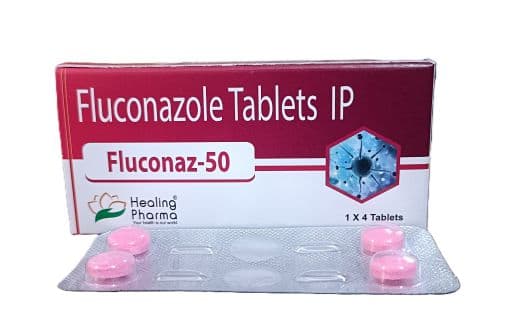
The category of Anti Fungal Tablets in the USA encompasses a variety of oral antifungal medications designed to treat fungal infections effectively. These pharmaceutical products are essential in combating infections caused by fungi such as Candida species, dermatophytes, and other opportunistic fungi. The tablets are formulated to provide systemic treatment, which is crucial for infections that are widespread or resistant to topical therapies. This category includes well-known antifungal agents like fluconazole, itraconazole, terbinafine, and griseofulvin, each with specific indications and modes of action. Pharmaceutical buyers in the United States benefit from access to products that meet stringent regulatory standards, ensuring quality, safety, and therapeutic efficacy. The availability of these tablets supports healthcare providers in managing fungal infections ranging from superficial skin conditions to invasive systemic diseases. Anti Fungal Tablets are widely prescribed in clinical settings and are a vital component of antifungal pharmacotherapy in the United States market.
Anti Fungal Tablets serve a broad spectrum of medical uses, primarily targeting fungal infections that affect various tissues and organs. They are commonly prescribed to treat superficial infections such as athlete's foot (tinea pedis), ringworm (tinea corporis), jock itch (tinea cruris), and nail fungus (onychomycosis). Additionally, they are effective against mucosal infections like oral thrush and vaginal candidiasis. Systemic fungal infections, which can be life-threatening especially in immunocompromised patients, also require oral antifungal therapy for treatment and prevention. These tablets are essential in managing conditions caused by Candida, Aspergillus, Cryptococcus, and other pathogenic fungi. By addressing fungal infections at the cellular level, Anti Fungal Tablets help restore normal tissue function and prevent complications such as secondary bacterial infections. Their medical use extends to prophylaxis in high-risk patients undergoing chemotherapy, organ transplantation, or prolonged antibiotic therapy, thereby reducing fungal infection incidence and improving patient outcomes.
Dosage of Anti Fungal Tablets varies depending on the specific medication, type of fungal infection, severity, and patient factors such as age and renal function. For example, fluconazole is commonly prescribed as a single 150 mg dose for vaginal candidiasis or daily doses ranging from 100 mg to 400 mg for systemic infections. Terbinafine is typically administered at 250 mg once daily for several weeks in cases of nail fungus. Itraconazole dosing may involve 200 mg once or twice daily depending on the infection. Treatment duration can range from a few days to several months, especially for persistent infections like onychomycosis. It is crucial that patients follow the prescribed regimen strictly and complete the full course to prevent resistance and recurrence. Dose adjustments may be necessary in patients with hepatic or renal impairment. Healthcare providers will provide specific instructions tailored to the individual’s condition, and patients should report any adverse effects or concerns during therapy.
Anti Fungal Tablets function by disrupting critical biological processes within fungal cells, thereby inhibiting their growth and survival. Most antifungal agents target the synthesis of ergosterol, a vital component of fungal cell membranes that maintains integrity and functionality. For example, azole antifungals like fluconazole and itraconazole inhibit the enzyme lanosterol 14α-demethylase, preventing ergosterol production and causing increased membrane permeability leading to cell death. Allylamines such as terbinafine inhibit squalene epoxidase, another enzyme involved in ergosterol synthesis, resulting in toxic accumulation of squalene within the fungal cell. Polyene antifungals bind directly to ergosterol, forming pores in the membrane that cause leakage of essential cellular contents. By targeting these pathways, Anti Fungal Tablets selectively kill or inhibit fungi without affecting human cells. This mechanism allows effective clearance of infections, restoration of normal tissue function, and prevention of fungal proliferation. The precise action and pharmacokinetics vary by drug class, but all contribute to comprehensive antifungal therapy.
The benefits of Anti Fungal Tablets are multifaceted, offering significant therapeutic advantages in fungal infection management. Oral administration ensures systemic absorption, allowing the medication to reach sites beyond the skin surface, effectively treating deep or widespread infections. These tablets provide convenience and improved patient compliance compared to topical treatments, especially for infections that require prolonged therapy. Anti Fungal Tablets exhibit broad-spectrum antifungal activity, targeting multiple fungal species, which enhances treatment success rates. Their use reduces symptoms such as itching, redness, scaling, and discomfort, significantly improving patient quality of life. Moreover, many antifungal tablets have favorable safety profiles with minimal drug interactions when used appropriately. The availability of these tablets in the USA is supported by rigorous quality control, ensuring consistent potency and purity. Ultimately, the use of Anti Fungal Tablets contributes to faster recovery times, reduced risk of infection recurrence, and decreased healthcare costs associated with untreated fungal diseases.
Dosage of Anti Fungal Tablets varies depending on the specific medication, type of fungal infection, severity, and patient factors such as age and renal function. For example, fluconazole is commonly prescribed as a single 150 mg dose for vaginal candidiasis or daily doses ranging from 100 mg to 400 mg for systemic infections. Terbinafine is typically administered at 250 mg once daily for several weeks in cases of nail fungus. Itraconazole dosing may involve 200 mg once or twice daily depending on the infection. Treatment duration can range from a few days to several months, especially for persistent infections like onychomycosis. It is crucial that patients follow the prescribed regimen strictly and complete the full course to prevent resistance and recurrence. Dose adjustments may be necessary in patients with hepatic or renal impairment. Healthcare providers will provide specific instructions tailored to the individual’s condition, and patients should report any adverse effects or concerns during therapy.
Anti Fungal Tablets represent a vital class of pharmaceutical products essential for the effective treatment of fungal infections in the United States. Their systemic action, broad spectrum of activity, and availability in oral dosage form make them indispensable in both outpatient and hospital settings. Adherence to prescribed regimens, awareness of potential side effects, and consideration of drug interactions are critical for maximizing therapeutic benefits and minimizing risks. Pharmaceutical buyers in the USA can rely on these tablets for high-quality, FDA-approved options that support comprehensive antifungal care. Ongoing advancements in antifungal pharmacology continue to enhance the efficacy and safety profiles of these medications, ensuring they remain a cornerstone of fungal infection management. With proper use, Anti Fungal Tablets significantly improve patient outcomes and contribute to public health efforts against fungal diseases.
 USD