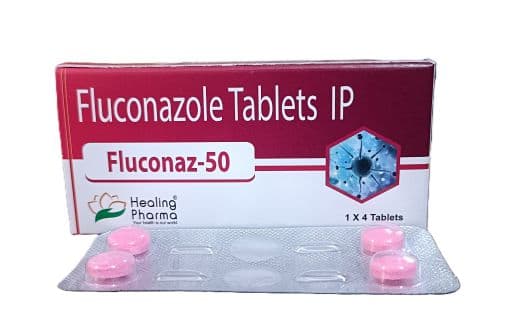
The Anti Fungal Tablet category caters specifically to pharmaceutical buyers in Australia seeking reliable and effective treatments for fungal infections. This category encompasses a diverse range of oral antifungal medications that are formulated to combat fungal pathogens affecting various parts of the body including skin, nails, and internal organs. Australian healthcare providers prioritize quality and compliance with local regulations when sourcing antifungal tablets to ensure patient safety and therapeutic efficacy. The products featured in this category include both generic and branded formulations, offering flexibility for pharmacies and medical institutions. With increasing fungal infection rates due to factors such as immunocompromised conditions and environmental exposure, the demand for trusted antifungal tablets has surged. This category addresses those needs by providing medications that are proven to inhibit fungal growth and promote recovery. Buyers can find comprehensive product information, dosage guidelines, and clinical applications to aid in informed procurement decisions. Angel Pharmaceutical is committed to supplying high-grade antifungal tablets that meet international pharmaceutical standards, making this category an essential resource for Australian pharmaceutical buyers.
Anti fungal tablets serve a critical role in the treatment and management of fungal infections that can affect various parts of the body, including the skin, nails, oral cavity, and internal organs. Their primary medical use is to eradicate fungal pathogens such as Candida species, dermatophytes, and molds that can cause conditions like candidiasis, athlete’s foot, ringworm, onychomycosis, and systemic mycoses. These infections can range from mild superficial conditions to life-threatening systemic diseases, particularly in immunocompromised patients. Oral anti fungal tablets are often prescribed when topical treatments prove insufficient or when the infection involves internal tissues. They provide systemic action by delivering active antifungal agents through the bloodstream to the infection site. Additionally, these tablets are used prophylactically in patients at high risk of fungal infections, such as those undergoing chemotherapy or organ transplantation. By effectively targeting fungal cell membranes and interfering with their growth, anti fungal tablets help restore normal tissue function and prevent complications associated with untreated fungal infections.
Dosage of anti fungal tablets varies depending on the specific medication, the type and severity of the fungal infection, and patient factors such as age, weight, and liver function. For example, fluconazole is typically administered as a single 150 mg dose for uncomplicated vaginal candidiasis, while systemic infections may require daily doses ranging from 200 mg to 400 mg for several weeks. Terbinafine tablets are usually prescribed at 250 mg once daily for nail infections, with treatment duration extending up to 12 weeks. Itraconazole dosage may range from 100 mg to 200 mg twice daily depending on the infection. It is crucial that patients adhere strictly to the prescribed dosage and complete the full treatment course even if symptoms improve earlier to prevent recurrence and resistance development. Dose adjustments may be necessary for patients with hepatic or renal impairment. Healthcare providers should monitor patients for therapeutic response and adverse effects during treatment. Pharmaceutical buyers should ensure that antifungal tablets supplied include clear dosage instructions and labeling compliant with Australian regulatory guidelines.
Anti fungal tablets function by disrupting critical processes within fungal cells that are essential for their survival and replication. Most commonly, these medications target the synthesis of ergosterol, a vital component of the fungal cell membrane that maintains its integrity and fluidity. By inhibiting enzymes involved in ergosterol production, such as lanosterol 14-alpha-demethylase, anti fungal tablets cause increased membrane permeability leading to fungal cell death. Some antifungal agents also interfere with fungal DNA synthesis or inhibit fungal cell wall formation, further impairing fungal growth. The systemic absorption of these tablets ensures that the active ingredients reach the site of infection via the bloodstream, allowing treatment of both superficial and deep-seated mycoses. The selective toxicity of these drugs targets fungal cells while minimizing damage to human cells, which is critical for patient safety. The pharmacokinetics and pharmacodynamics of each antifungal agent determine their spectrum of activity, dosage frequency, and duration of treatment. Understanding how these tablets work enables healthcare professionals to select the most appropriate medication for specific fungal infections.
The benefits of anti fungal tablets extend beyond their primary therapeutic effects, offering a versatile and effective approach to managing fungal infections. One of the key advantages is their systemic action, which allows treatment of infections that are inaccessible or unresponsive to topical therapies. Oral administration enhances patient compliance due to ease of use and convenience. These tablets typically provide rapid symptom relief by reducing fungal burden and inflammation. Furthermore, anti fungal tablets have broad-spectrum activity, targeting multiple fungal species and thus suitable for various infection types. They also help prevent recurrence of infections, especially when used as part of a prescribed treatment course. Additionally, the availability of generic options makes these tablets more affordable without compromising quality, making them accessible to a wider population. Regular use under medical supervision reduces the risk of complications and promotes faster recovery, improving overall patient quality of life. For pharmaceutical buyers, offering high-quality anti fungal tablets ensures healthcare providers have reliable options to address diverse fungal infections effectively.
Dosage of anti fungal tablets varies depending on the specific medication, the type and severity of the fungal infection, and patient factors such as age, weight, and liver function. For example, fluconazole is typically administered as a single 150 mg dose for uncomplicated vaginal candidiasis, while systemic infections may require daily doses ranging from 200 mg to 400 mg for several weeks. Terbinafine tablets are usually prescribed at 250 mg once daily for nail infections, with treatment duration extending up to 12 weeks. Itraconazole dosage may range from 100 mg to 200 mg twice daily depending on the infection. It is crucial that patients adhere strictly to the prescribed dosage and complete the full treatment course even if symptoms improve earlier to prevent recurrence and resistance development. Dose adjustments may be necessary for patients with hepatic or renal impairment. Healthcare providers should monitor patients for therapeutic response and adverse effects during treatment. Pharmaceutical buyers should ensure that antifungal tablets supplied include clear dosage instructions and labeling compliant with Australian regulatory guidelines.
Anti fungal tablets represent a vital component in the pharmaceutical arsenal against fungal infections, offering effective systemic treatment options for a variety of superficial and systemic mycoses. For Australian pharmaceutical buyers, sourcing high-quality antifungal tablets from reputable manufacturers like Angel Pharmaceutical ensures access to safe, efficacious, and regulatory compliant products. These medications deliver significant benefits, including ease of administration, broad-spectrum antifungal activity, and improved patient adherence. However, careful consideration of dosage, potential side effects, drug interactions, and storage conditions is crucial to optimize therapeutic outcomes and minimize risks. Comprehensive safety advice and adherence to medical guidance enhance patient safety and treatment success. As fungal infections continue to pose health challenges, the availability of reliable anti fungal tablets remains indispensable to healthcare providers and patients alike. Angel Pharmaceutical is committed to supporting the Australian pharmaceutical sector by providing premium antifungal medications tailored to meet these critical healthcare needs.
 AUD