Anti Fungal Tablets in Canada represent a vital category of pharmaceutical products specifically designed to treat fungal infections that affect millions of individuals annually. These tablets are formulated to deliver potent antifungal agents that eradicate pathogenic fungi responsible for a variety of clinical conditions. The Canadian market offers a diverse range of antifungal medications that comply with the stringent regulatory standards set by Health Canada, ensuring safety and efficacy. This category serves Canadian pharmaceutical buyers by providing access to trusted brands and generic alternatives suitable for treating superficial, cutaneous, and systemic fungal infections. Understanding the pharmacological profiles and therapeutic indications of these tablets is crucial for healthcare providers and buyers to select the most appropriate treatment option. The availability of antifungal tablets in Canada facilitates timely intervention against infections, minimizes complications, and contributes significantly to improving patient quality of life. This comprehensive category content aims to support Canadian buyers by detailing product features, clinical uses, and safe administration practices for antifungal tablets.
Anti Fungal Tablets are primarily used to treat various fungal infections that affect different parts of the body. These infections include dermatophytosis (ringworm), candidiasis (yeast infections), onychomycosis (nail fungus), and systemic fungal diseases such as histoplasmosis and cryptococcosis. In Canada, these tablets are prescribed for both superficial infections involving the skin and mucous membranes as well as invasive infections affecting internal organs. The antifungal agents work by inhibiting fungal cell wall synthesis, disrupting membrane integrity, or interfering with metabolic pathways essential for fungal survival. Medical professionals use these tablets to manage acute and chronic fungal infections, especially when topical treatments are insufficient or impractical. Additionally, antifungal tablets are often employed prophylactically in immunocompromised patients to prevent opportunistic fungal infections. Their versatility in addressing a broad spectrum of fungal pathogens makes them indispensable in clinical practice across Canada.
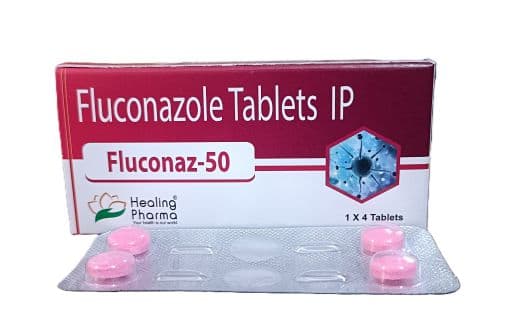
Dosage of Anti Fungal Tablets in Canada depends on the specific medication, type of fungal infection, patient age, weight, and overall health status. Typically, doses range from a single daily tablet to multiple doses per day over several weeks or months. For example, fluconazole is often prescribed as a single 150 mg dose for vaginal candidiasis or daily doses of 100-200 mg for systemic infections. Terbinafine may be administered as 250 mg once daily for nail infections over 6 to 12 weeks. It is critical to follow the healthcare provider’s instructions precisely, as under-dosing may lead to treatment failure and resistance, while overdosing increases the risk of side effects. Patients should complete the full course even if symptoms improve earlier to ensure complete eradication of the fungus. Dose adjustments may be necessary in patients with liver or kidney impairment. Always consult a healthcare professional before altering dosage or stopping medication.
Anti Fungal Tablets operate by targeting critical components of fungal cells that are essential for their growth and survival. Most antifungal agents work by disrupting the synthesis or function of the fungal cell membrane, specifically by inhibiting ergosterol production, a vital sterol unique to fungi. For example, azole antifungals inhibit the enzyme lanosterol 14-alpha-demethylase, leading to ergosterol depletion and increased membrane permeability. Allylamines, another class, block squalene epoxidase, disrupting ergosterol synthesis at an earlier stage. Polyenes bind directly to ergosterol, creating pores in the fungal membrane that cause leakage of cellular contents and cell death. Some antifungal tablets interfere with fungal DNA replication or protein synthesis, further impairing fungal viability. This multifaceted mechanism of action ensures potent antifungal effects against a variety of fungal pathogens. By inhibiting fungal cell growth and replication, these tablets effectively clear infections and reduce symptoms in patients.
The use of Anti Fungal Tablets in Canada offers numerous benefits for patients and healthcare providers. These tablets provide targeted antifungal activity that effectively eliminates fungal pathogens and reduces infection severity. Unlike topical medications, tablets allow for systemic treatment, reaching fungal infections that are deep-seated or widespread. This systemic approach enhances treatment outcomes, especially in complex or hard-to-reach infections. Additionally, antifungal tablets improve patient compliance due to their convenient oral administration. Many antifungal agents used in tablet form have well-established safety profiles and are supported by extensive clinical data. The availability of various antifungal classes allows tailored therapy to suit individual patient needs and resistance patterns. Moreover, antifungal tablets help prevent infection recurrence by eradicating residual fungal cells. For Canadian pharmaceutical buyers, stocking and distributing these tablets ensures access to effective treatment options that align with Canadian healthcare standards and patient expectations.
Dosage of Anti Fungal Tablets in Canada depends on the specific medication, type of fungal infection, patient age, weight, and overall health status. Typically, doses range from a single daily tablet to multiple doses per day over several weeks or months. For example, fluconazole is often prescribed as a single 150 mg dose for vaginal candidiasis or daily doses of 100-200 mg for systemic infections. Terbinafine may be administered as 250 mg once daily for nail infections over 6 to 12 weeks. It is critical to follow the healthcare provider’s instructions precisely, as under-dosing may lead to treatment failure and resistance, while overdosing increases the risk of side effects. Patients should complete the full course even if symptoms improve earlier to ensure complete eradication of the fungus. Dose adjustments may be necessary in patients with liver or kidney impairment. Always consult a healthcare professional before altering dosage or stopping medication.
Anti Fungal Tablets available in Canada are an indispensable component of modern pharmaceutical care for the effective management of fungal infections. Their proven efficacy, safety profiles, and accessibility make them the preferred choice for treating a wide range of superficial and systemic fungal diseases. Canadian pharmaceutical buyers benefit from a comprehensive selection of antifungal agents that meet rigorous regulatory standards, ensuring high-quality therapeutic options. Proper use of these tablets, guided by healthcare professionals, leads to successful eradication of fungal infections, improved patient outcomes, and reduced incidence of recurrence. Awareness of dosage guidelines, side effects, warnings, and drug interactions is essential to optimize treatment and enhance patient safety. By prioritizing responsible sourcing and informed dispensing of antifungal tablets, Canadian buyers play a vital role in supporting public health and combating fungal diseases efficiently. Ultimately, antifungal tablets represent a cornerstone in the fight against fungal infections, contributing significantly to patient well-being in Canada.
 CAD